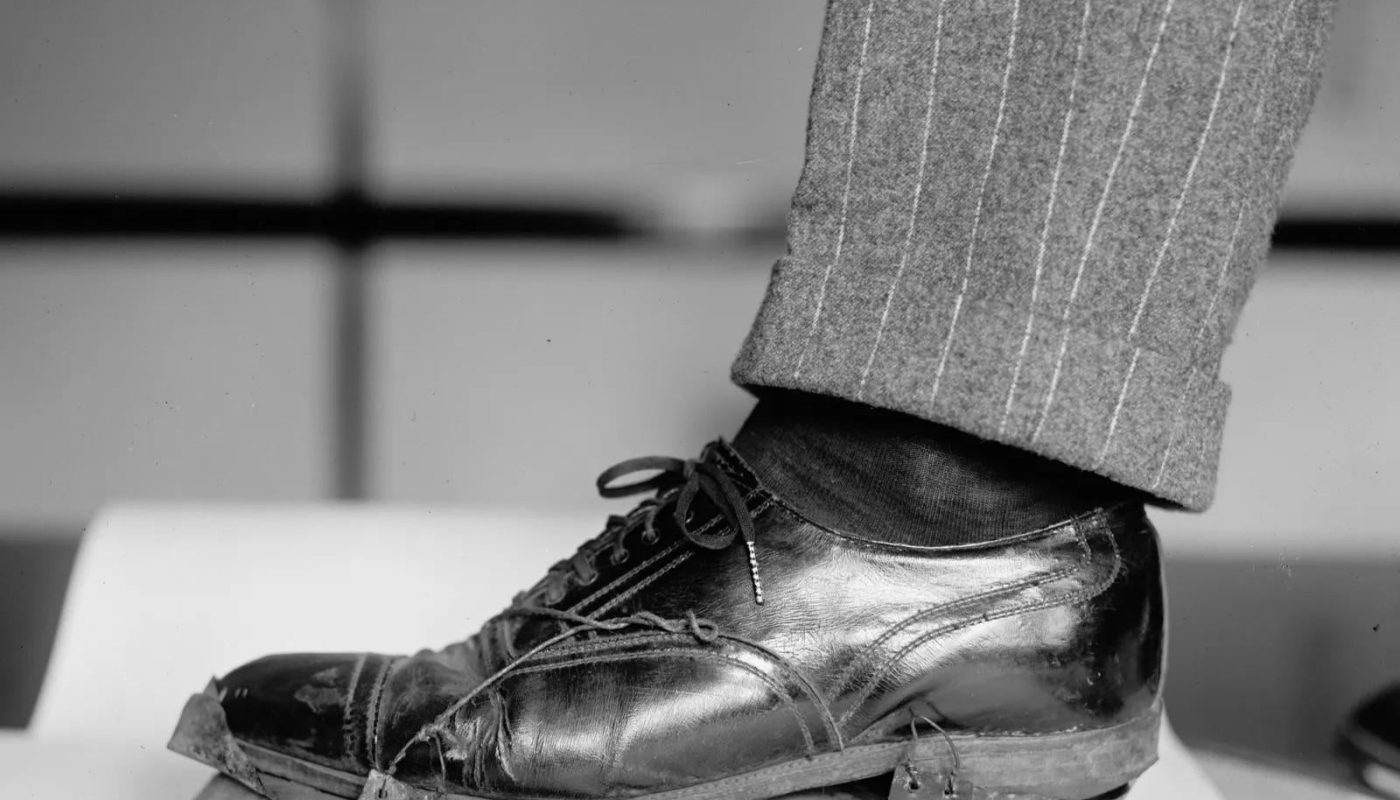
Cow shoes used by moonshiners during the Prohibition Era to hide their footprints, June 18th, 1924
Title: Cow Shoes: How Moonshiners Outsmarted the Law During Prohibition
The Prohibition Era (1920-1933) was a time of clandestine operations, speakeasies, and ingenious tactics to evade the law. Among the most creative tools used by moonshiners were “cow shoes”—a clever footwear invention designed to mask human footprints and throw law enforcement off their trail. On June 18th, 1924, the use of these devices highlighted the escalating cat-and-mouse game between bootleggers and authorities. This article dives into the history, design, and legacy of cow shoes, revealing how moonshiners turned old-fashioned ingenuity into a lifeline for their illegal trade.
The Problem: Footprints in the Mud
During Prohibition, moonshiners operated hidden stills deep in forests and rural areas to produce illegal alcohol. Federal agents, known as “revenuers,” tracked these operations by following footprints leading to still sites. A single misstep—a boot print in mud or snow—could reveal the path to a lucrative moonshine operation and spell disaster for bootleggers facing hefty fines or jail time.
What Were Cow Shoes?
Cow shoes were makeshift devices strapped over a person’s boots to mimic animal hoofprints, typically those of cattle or deer. Crafted from wood or metal, they featured split designs resembling cloven hooves. When pressed into soft ground, they left tracks indistinguishable from those of livestock or wildlife, allowing moonshiners to move undetected near their stills.
How They Worked:
- Disguised Footprints: The split-shoe design imitated hoof marks, blending with natural animal activity.
- Quick Removal: Straps or buckles allowed wearers to shed the shoes quickly if chased.
- Misdirection: Tracks led agents on false trails—toward grazing lands instead of hidden stills.
June 18th, 1924: A Snapshot of the Bootleg Arms Race
While no single event on June 18th, 1924, made headlines, this date falls in the peak of Prohibition’s enforcement. Newspapers from the era frequently reported on revenuers’ frustrations with increasingly sophisticated evasion tactics. Cow shoes became emblematic of the era’s resourcefulness, as bootleggers refined their designs to stay one step ahead.
In rural Appalachia—the heartland of moonshining—agents noted a surge in “phantom stills” traced only to hoofprints that vanished near creek beds or thickets. By mid-1924, cow shoes had evolved from crude wood carvings to lightweight metal molds, proving how necessity fueled innovation.
The Law Fights Back
Revenue agents quickly adapted. They studied soil impressions for irregularities—human stride lengths disguised as animal gaits or inconsistent hoof depths. K-9 units were also deployed to follow human scents, undermining the shoes’ effectiveness. Yet, cow shoes remained popular due to their low cost and accessibility, especially in regions where livestock roamed freely.
Legacy of Cow Shoes
Though Prohibition ended in 1933, cow shoes left a mark on American folklore. They symbolize the rebellious ingenuity of the era and appear in:
- Museums: Artifacts displayed at venues like the Moonshine Museum in Kentucky.
- Pop Culture: Featured in films like Lawless (2012) and TV series about bootlegging.
- Survivalist Gear: Modern versions are jokingly marketed as “revenuer-proof” hiking accessories.
Conclusion: Ingenuity Born of Necessity
Cow shoes exemplify how moonshiners turned everyday materials into tools of survival during Prohibition. While June 18th, 1924, wasn’t a watershed moment, it represents a time when creativity thrived under pressure. Today, these devices remind us of a chaotic yet inventive chapter in history—where outsmarting the law meant walking a mile in a cow’s hooves.
Keywords for SEO: cow shoes Prohibition, moonshine cow shoes, Prohibition Era footwear, hide footprints moonshiners, bootleggers 1924, Prohibition history, moonshiners tactics, revenuers tracking, June 18 1924, Appalachian moonshining.