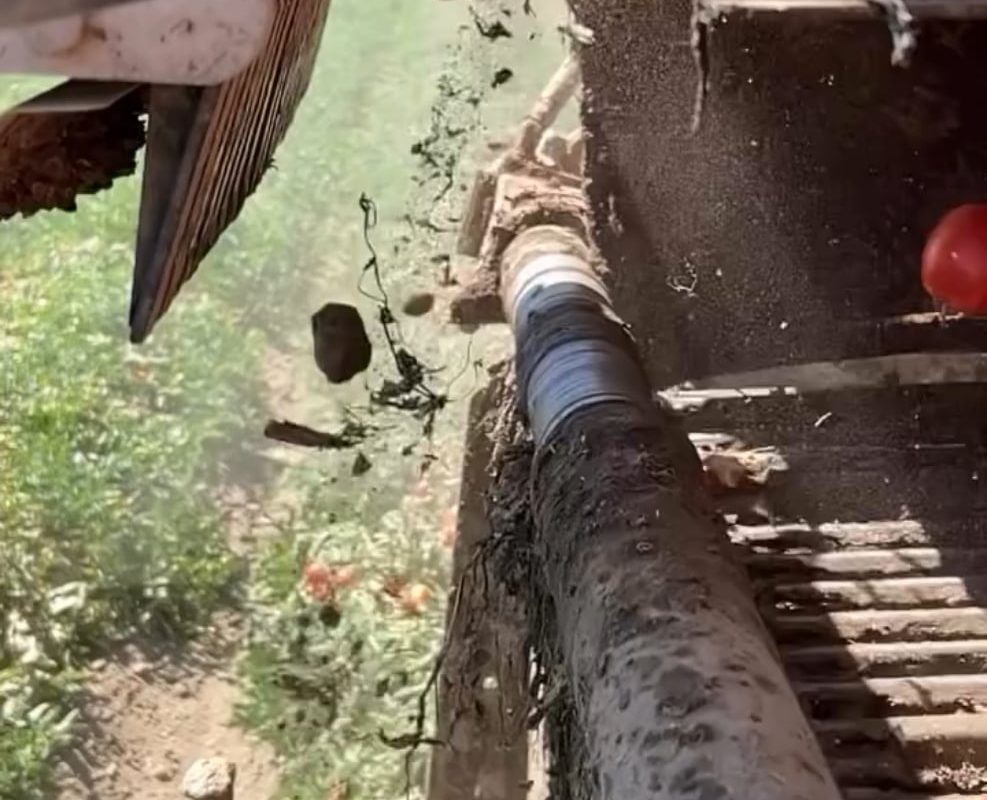
Sorting tomatoes
The Ultimate Guide to Sorting Tomatoes: Boost Quality, Flavor, and Shelf Life
Tomatoes are a kitchen staple, gracing salads, sauces, and sandwiches with their vibrant color and juicy sweetness. But not all tomatoes are created equal. Whether you grow them yourself, buy them in bulk, or pick them from a farmers’ market, sorting tomatoes effectively is crucial to maximizing their freshness, flavor, and usability. In this guide, we’ll walk you through the art and science of tomato sorting—plus tips for storage and reducing waste.
Why Sorting Tomatoes Matters
Sorting isn’t just about aesthetics. It’s a practical step that:
- Extends shelf life: Separating ripe from unripe tomatoes slows spoilage.
- Improves flavor: Proper sorting ensures you use each tomato at its peak.
- Reduces waste: Identify damaged tomatoes early to salvage usable parts.
- Optimizes use: Group tomatoes by purpose (e.g., fresh eating vs. cooking).
Step-by-Step Guide to Sorting Tomatoes
Follow this systematic approach to sort tomatoes like a pro:
1. Check for Damage or Disease
Begin by removing tomatoes with visible issues:
- Cracks, splits, or bruises: These can harbor bacteria and mold.
- Soft spots or rot: Discard severely damaged tomatoes.
- Pest damage: Small holes or discoloration may indicate insect activity.
Tip: Lightly damaged tomatoes can still be used immediately for sauces or soups if cut away from affected areas.
2. Sort by Ripeness Level
Tomatoes ripen in stages. Sort them into groups based on color and firmness:
- Green/unripe: Firm, fully green (ideal for frying or chutneys).
- Breaker stage: Slight pink/yellow blush at the blossom end (will ripen off-vine).
- Pink/turning: Mostly pink/orange (ready in 2–3 days).
- Red/firm: Fully colored but firm (perfect for salads).
- Red/soft: Deep red and yielding (use immediately for sauces or eating).
Pro Tip: Unripe tomatoes release ethylene gas, which speeds ripening. Store them separately to avoid over-ripening others.
3. Separate by Size
Size impacts use cases:
- Small tomatoes (cherry/grape): Great for salads, roasting whole, or snacking.
- Medium tomatoes (Roma, plum): Ideal for sauces, canning, or stuffing.
- Large tomatoes (beefsteak, heirloom): Best for sandwiches, slicing, or grilling.
4. Grade by Quality
Reserve top-grade tomatoes for fresh use and lower grades for cooking:
- Grade A: Flawless, firm, uniform shape (eat raw).
- Grade B: Minor imperfections (roast, sauce, or juice).
- Grade C: Overripe or blemished (cook immediately or compost).
How to Store Sorted Tomatoes
Proper storage is key to preserving freshness:
- Unripe tomatoes: Store at room temperature (60–70°F) out of direct sunlight. Place in a paper bag to speed ripening.
- Ripe tomatoes: Keep at room temperature for 1–3 days. Don’t refrigerate unless overripe (chilling dulls flavor).
- Cut/damaged tomatoes: Refrigerate and use within 1–2 days.
- Long-term storage: Freeze roasted or puréed tomatoes for sauces.
Bonus Tips for Reducing Waste
- Preserve excess tomatoes: Can, freeze, or sun-dry surplus ripe tomatoes.
- Regrow scraps: Save seeds from heirloom varieties for planting next season.
- Compost wisely: Add unsalvageable tomatoes to compost (avoid diseased plants).
FAQs About Sorting Tomatoes
Q: Can I ripen green tomatoes indoors?
Yes! Place green tomatoes in a cool, dark spot or in a paper bag with a banana (ethylene speeds ripening).
Q: Why are my tomatoes splitting?
Splitting often occurs after heavy rain or inconsistent watering. Sort split tomatoes for immediate use.
Q: Should I wash tomatoes before sorting?
No! Washing removes natural protective coatings. Sort first, then rinse gently before eating.
Q: Can I store tomatoes with other produce?
Avoid storing tomatoes near ethylene-sensitive items (e.g., cucumbers, leafy greens) to prevent premature spoilage.
Conclusion
Mastering the art of sorting tomatoes ensures you enjoy their best flavor, minimize waste, and make the most of your harvest. Whether you’re prepping a summer salad or stocking your pantry with homemade sauce, a few minutes of sorting can transform your tomato game.
Got a bumper crop? Share your favorite tomato recipes or preservation tips in the comments below!
Keywords: Sorting tomatoes, how to sort tomatoes, tomato ripeness stages, storing tomatoes, tomato quality guide, reduce tomato waste, tomato preservation.
Boost your kitchen efficiency—start sorting today! 🍅

![The Moderately Hungry Caterpillar [OC]](https://www.smartplusmedia.com/wp-content/uploads/2026/07/The-Moderately-Hungry-Caterpillar-OC-445x265.png)