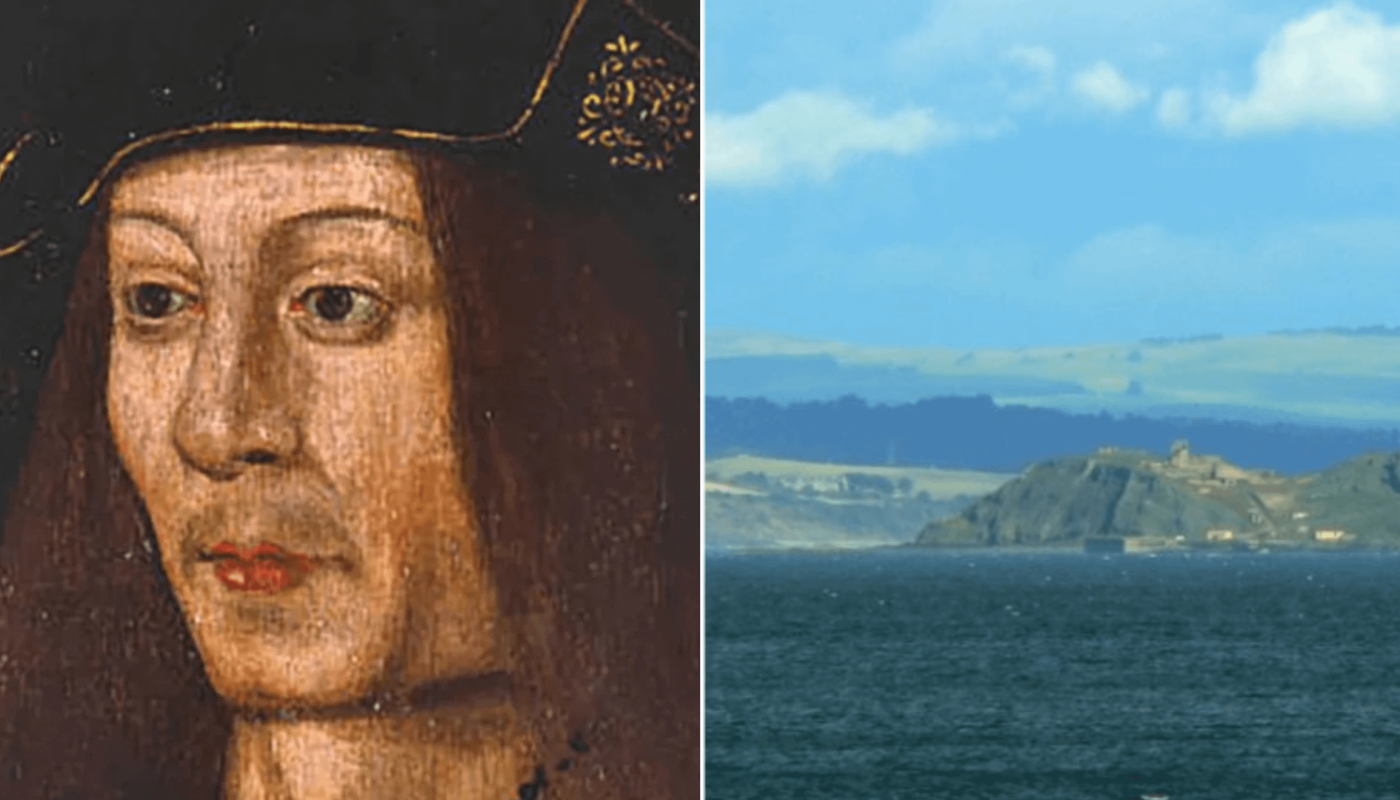
In the 15th century, King James IV of Scotland performed a strange experiment, isolating a mute woman and two infants on a deserted island to try discover what the “natural human language” might be.
Title: The Bizarre 15th-Century Experiment: King James IV’s Quest for Humanity’s “Natural Language”
Meta Description: Explore the dark obsession of Scotland’s King James IV, who marooned a mute woman and two infants on an island to uncover humanity’s “original” tongue—and the shocking truth behind this unethical experiment.
Introduction: When Kings Played God
History brims with strange and often cruel experiments driven by human curiosity, but few are as ethically jarring as King James IV of Scotland’s 15th-century attempt to discover the “natural language” of humankind. In a twisted blend of linguistics, royal ambition, and pseudo-science, the Renaissance monarch isolated two infants and a mute woman on a remote island, hoping the children would spontaneously speak humanity’s primal tongue. The story—equal parts fascinating and horrifying—reveals the extremes to which power and philosophy can collide.
King James IV: A Renaissance Ruler with a Dark Curiosity
James IV reigned over Scotland from 1488 to 1513, a period marked by cultural revival and scientific experimentation. Fluent in multiple languages and obsessed with the era’s burgeoning humanist ideals, he funded alchemy, medicine, and even early aviation attempts. Yet his most infamous project was rooted in a timeless question: What is humanity’s “original” language?
In medieval Europe, many believed language was divinely bestowed—a relic of the Garden of Eden. Some scholars theorized that if raised without outside influence, children would instinctively speak Hebrew (considered the language of Adam and Eve) or even the “perfect” tongue of angels. James IV aimed to test this myth.
The Forbidden Island Experiment
Around 1493, James IV orchestrated a chilling social experiment:
- The Subjects: A deaf-mute woman (recorded as a “dumb” nurse) and two newborn infants of unknown parentage were selected.
- The Location: The group was confined to the isolated Island of Inchkeith in Scotland’s Firth of Forth—a windswept, uninhabited outcrop.
- The Rules: The nurse could provide care but no spoken language. The infants were to grow up hearing only their own sounds, untouched by human speech.
James hoped that, freed from societal influence, the children’s “natural” language would emerge. Some accounts claim he even expected them to speak Hebrew.
Why Did James IV Believe This Would Work?
The experiment tapped into three powerful myths of the era:
- The “Adamic Language”: A belief that Adam’s divine tongue survived in human instincts.
- Wild Children: Folklore claimed feral children like Romulus and Remus (founders of Rome) possessed innate wisdom.
- Renaissance Humanism: Enlightenment thinkers sought to peel back culture and reveal humanity’s “true” nature.
To James, language wasn’t learned—it was uncovered, buried beneath civilization’s layers.
The Grim Outcome
Historians disagree on how long the experiment lasted. Some say months; others, years. But the results were clear: it failed catastrophically.
- No Language Emerged: Isolated infants do not invent complex speech. Without interaction, they communicate through gestures and cries—not structured language.
- Ethical Horror: Modern linguists note that severe neglect causes developmental trauma, not linguistic breakthroughs. The children likely never spoke at all.
- The Fate of the Subjects: Records are vague, hinting at death by malnourishment, disease, or despair. None were seen again.
A Dark Legacy: Ethics vs. “Progress”
James IV’s experiment wasn’t unique—similar tests appear throughout history:
- Psammetichus I (Egypt, 7th century BCE): Allegedly isolated children to prove Phrygian was the “first” language.
- Akbar (Mughal Empire): Reportedly raised infants in silent towers.
- Medieval “Language Deprivation” Trials: Infants died under similar conditions.
Today, the Inchkeith experiment is condemned as unethical pseudoscience. Linguists like Noam Chomsky argue that while humans have an innate capacity for language, social interaction is irreplaceable. Without input, the brain’s linguistic machinery stalls.
Modern Linguistics Debunks the Myth
Decades of research confirm:
- Language Requires Nurture: Landmark cases like Genie (a 20th-century victim of severe neglect) show that isolated children never fully acquire language.
- No “Primal” Tongue Exists: Language evolves organically through culture and need. Hebrew, Latin, or Sanskrit are arbitrary products of history—not divine blueprints.
- Isolation = Devastation: Social deprivation harms cognitive, emotional, and physical health. James IV didn’t discover language; he destroyed lives.
Conclusion: Lessons from Inchkeith
King James IV died in 1513 at the Battle of Flodden, leaving his dark experiment as a footnote in Scotland’s history. Yet its implications linger. His quest for a “pure” human language reflects humanity’s timeless urge to strip away complexity—but it also reveals how power can misuse curiosity.
Language isn’t a relic to be unearthed; it’s a living tapestry woven through connection. James IV sought God’s tongue and found only silence—a haunting reminder that ethics must guide even the boldest inquiries.
SEO Keywords:
King James IV language experiment, natural human language, Inchkeith Island experiment, Scottish history, Renaissance experiments, Adamic language, medieval linguistics, forbidden experiments, unethical research, language deprivation.
Image Alt Text Suggestion:
“15th-century illustration of Inchkeith Island in Scotland, where King James IV isolated infants to discover humanity’s ‘natural language.'”
Internal Linking Opportunities:
- Link to articles on Renaissance science or medieval Scotland.
- Connect to pieces on feral children or linguistic deprivation.
- Reference ethical debates in scientific history.
By weaving historical intrigue with modern insights, this article targets SEO audiences fascinated by dark history, linguistics, and the ethics of human experimentation.