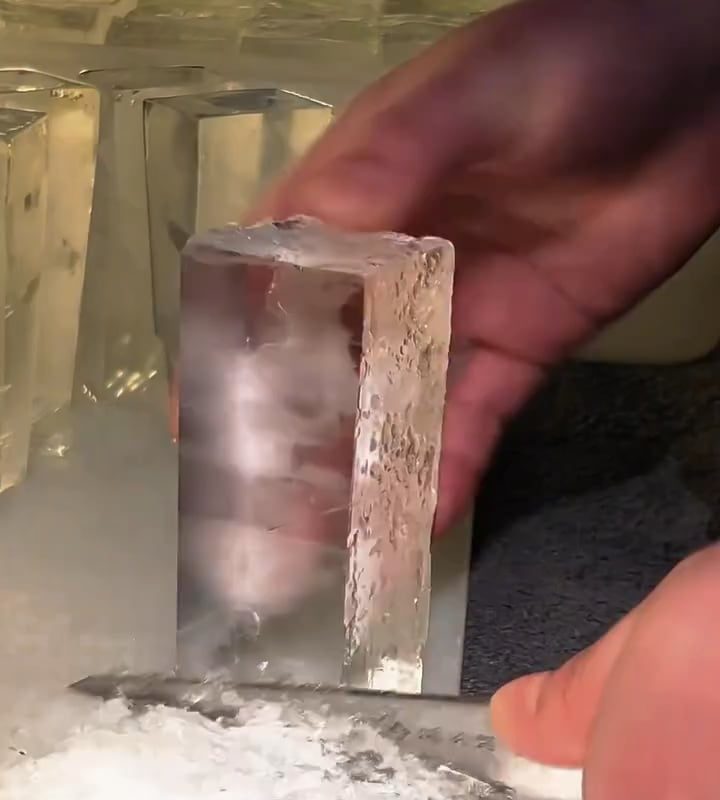
This man cutting ice
Title: The Frozen Craft: The History and Artistry of Men Cutting Ice Through the Ages
Meta Description: Discover the incredible story of ice harvesting – how men braved subzero temperatures to cut ice blocks for global trade. Explore historical techniques, tools, cultural impact, and modern relevance.
Introduction: A Vanished Winter Craft
Before refrigeration, survival in warmer months depended on ice cut by hand from frozen lakes and rivers. For centuries, hardy men wielding saws and picks braved brutal winters to harvest nature’s “white gold.” This article explores the forgotten world of ice cutting – the backbreaking labor, ingenious techniques, and enduring legacy of this frosty profession.
The Ice Harvesting Boom: A 19th-Century Revolution
The Rise of the Global Ice Trade
In the early 1800s, entrepreneur Frederic Tudor kickstarted the global ice trade, shipping New England ice as far as India and the Caribbean. By the 1850s, the U.S. ice industry employed 90,000 workers and moved 2 million tons annually. Ice became a luxury for preserving food, cooling drinks, and treating ailments.
Tools of the Trade
Workers relied on specialized tools:
- Ice Saws: 4-5 ft. crosscut saws for scoring frozen surfaces.
- Chisels & Picks: For freeing blocks after sawing.
- Ice Tongs: Heavy-duty tongs to lift 300-lb blocks.
- Horse-Drawn Plows: For marking grids into the ice.
How Ice Cutting Worked: Step by Step
-
Preparation:
- Lakes were cleared of snow to thicken ice (12-24 inches was ideal).
- Surface was marked into grids using plows.
-
Scoring & Sawing:
- Teams cut channels with saws, creating floating “cakes” of ice.
-
Breaking & Transport:
- Blocks were floated toward conveyors, then dragged via ramps to insulated ice houses.
-
Storage:
- Sawdust-packed warehouses kept ice frozen well into summer.
Cultural Impact: Ice Palaces, Festivals, and Nostalgia
Beyond commerce, ice harvesting inspired traditions:
- Ice Palaces: Magnificent structures built for winter carnivals (e.g., Montreal’s 1887 palace).
- Rural Rituals: Local ice harvests became community events with shared meals.
- Art & Literature: Featured in paintings (e.g., Winslow Homer) and Laura Ingalls Wilder’s The Long Winter.
The Decline of Ice Cutting
By the 1920s, electric refrigeration replaced natural ice. Companies like Frigidaire sealed the fate of a trade dependent on harsh winters. Yet small-scale harvesting continued in dairy farms and fishing villages until the 1950s.
Ice Cutting Today: Niche Craft & Art Form
While no longer commercial, ice cutting lives on in:
- Ice Sculpting: Artists use chainsaws to carve ephemeral masterpieces at festivals.
- Survival Skills: Bushcraft enthusiasts practice traditional ice harvesting.
- Historical Reenactments: Museums like Maine’s Thompson Ice House preserve the craft.
Key Figures in Ice Harvesting History
| Name | Contribution |
|---|---|
| Frederic Tudor | “The Ice King” who globalized the ice trade |
| Nathaniel Wyeth | Invented faster ice-plowing techniques |
| Local “Ice Men” | Unnamed laborers who risked hypothermia daily |
FAQs About Ice Cutting
Q: How cold did it need to be to harvest ice?
A: Temperatures had to stay below freezing for weeks to achieve 12+ inch thickness.
Q: Was ice cutting dangerous?
A: Yes! Risks included falls through thin ice, frostbite, and injuries from saws/tools.
Q: What replaced natural ice?
A: Artificial ice machines (1850s) and electric refrigerators (1920s).
Q: Can you still see ice harvesting?
A: Yes! Demonstrations are held at sites like South Willington Ice House (CT).
Conclusion: Echoes of a Frosty Legacy
The era of men cutting ice may be over, but its impact lingers in refrigeration technology, winter traditions, and our fascination with humanity’s battle against nature. Next time you drop a cube into your drink, remember the rugged harvesters who turned frozen water into a cornerstone of modern life.
Target Keywords:
- “ice harvesting history”
- “traditional ice cutting”
- “19th century ice trade”
- “how was ice harvested”
- “Frederic Tudor ice king”
Optimized for Google Snippets and Local SEO
Include internal links to related articles (e.g., “History of Refrigeration,” “Winter Traditions Around the World”) for SEO synergy.