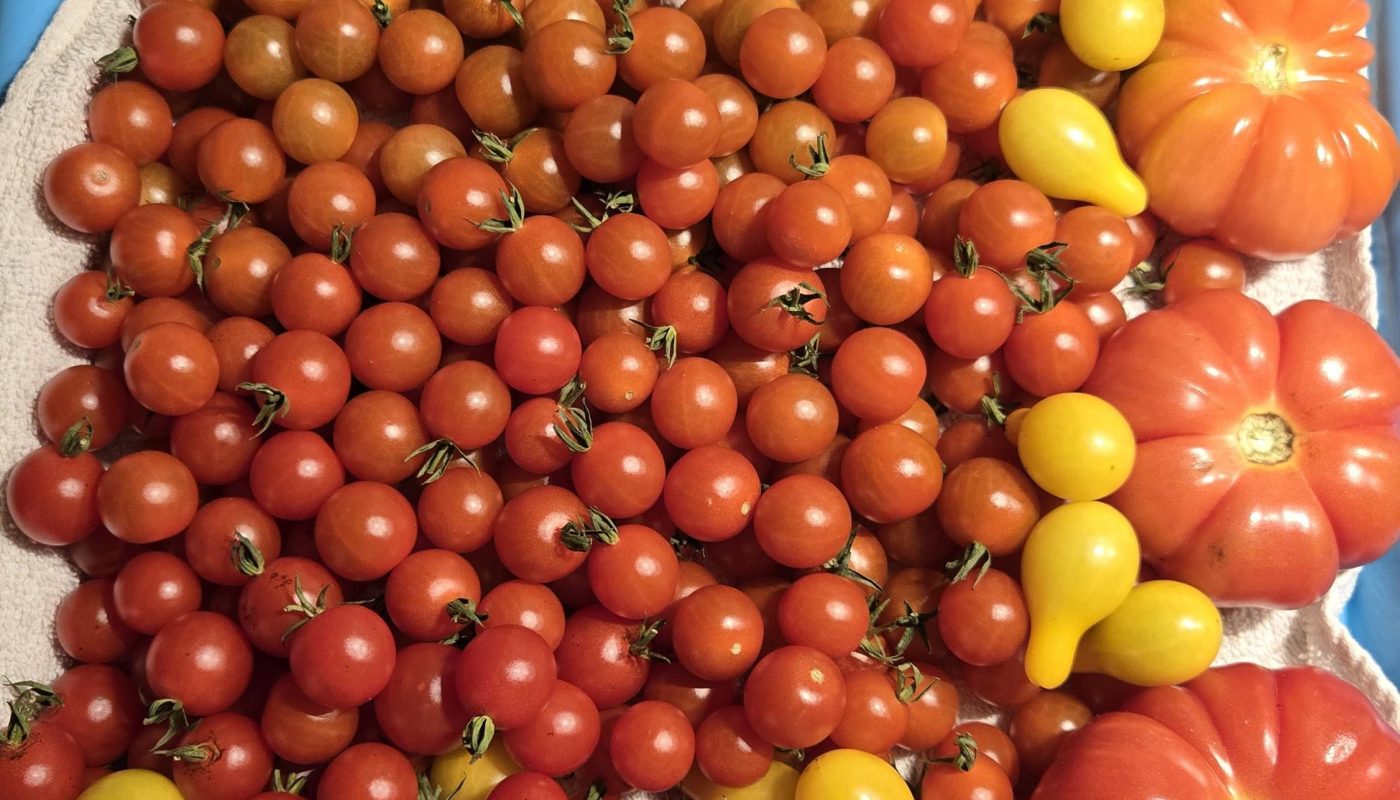
I sorted my tomatoes
Title: I Sorted My Tomatoes – A Practical Guide to Maximizing Freshness & Reducing Waste
Meta Description: Discover how sorting tomatoes transformed my kitchen routine! Learn step-by-step tips to organize, ripen, store, and enjoy your tomato harvest longer.
Introduction
After a bumper crop of tomatoes from my garden (and a few impulse buys at the farmer’s market), I found myself staring at a chaotic pile of reds, greens, and oranges. That’s when I decided: it’s time to sort my tomatoes. What started as a simple tidying task turned into a revelation about extending freshness, minimizing food waste, and making meals easier. Here’s how you can do it too!
Why Sorting Tomatoes Matters
Tomatoes ripen at different rates, and their ideal storage depends on their color, firmness, and intended use. Sorting helps you:
- Prevent spoilage by isolating damaged or overripe tomatoes.
- Speed up (or slow down) ripening for perfect timing.
- Organize meal prep by grouping tomatoes based on readiness.
How I Sorted My Tomatoes: A Step-by-Step Guide
1. Divide by Ripeness Level
- Green & Firm: Perfect for fried green tomatoes or slow ripening.
- Pink/Yellow: Will ripen in 2–4 days; store at room temperature.
- Bright Red & Slightly Soft: Ready to eat! Use ASAP in salads or sauces.
- Overripe/Soft: Ideal for sauces, soups, or roasting.
🔍 Pro Tip: To accelerate ripening, place green tomatoes in a paper bag with a banana (the ethylene gas speeds things up!).
2. Check for Damage or Bruises
Discard (or immediately use) tomatoes with:
- Cracks, splits, or mold.
- Soft spots or oozing liquid.
Compromised tomatoes can spoil the whole batch if stored together!
3. Separate by Variety
- Cherry/Grape Tomatoes: Best eaten fresh within days.
- Roma/Plum Tomatoes: Ideal for sauces; freeze extras!
- Heirloom/Beefsteak: Handle gently—use quickly due to delicate skin.
Storage Solutions Based on Your Sort
- Green Tomatoes: Store in a cool, dark place (50–60°F) to ripen slowly.
- Ripe Tomatoes: Keep at room temperature (out of direct sunlight) for 1–3 days.
- Cut/Overripe Tomatoes: Refrigerate in airtight containers for up to 3 days.
🥫 Preservation Hack: Turn excess ripe tomatoes into sauce or freeze them whole for future stews!
5 Benefits I Discovered After Sorting
- Less Waste: I used overripe tomatoes immediately in a batch marinara instead of tossing them.
- Better Flavor: Room-temperature ripe tomatoes taste far sweeter than refrigerated ones.
- Meal Planning Made Easy: Pre-sorted bowls meant faster salads, salsas, and snacks.
- Garden Insights: Noticing ripening patterns helped me adjust watering and harvesting!
- Peace of Mind: No more frantic searches for “that one good tomato” in the fridge.
Common Tomato-Sorting Mistakes to Avoid
- Don’t refrigerate unripe tomatoes: Cold kills flavor and texture.
- Don’t stack tomatoes: Pressure causes bruising. Store stem-side down.
- Skip the vinegar rinse until ready to eat: Washing before storage invites mold.
Final Thoughts
Sorting my tomatoes wasn’t just about tidying up—it was a small act of mindfulness that saved money, reduced waste, and made cooking more joyful. Whether you grow your own or buy in bulk, taking 10 minutes to sort will pay off in flavor, convenience, and sustainability.
Ready to sort your tomatoes? Share your before-and-after stories in the comments!
Target Keywords:
- Sorting tomatoes
- How to sort tomatoes
- Tomato storage tips
- Ripening green tomatoes
- Reducing food waste
Boost SEO: Link to related posts like “How to Freeze Tomatoes” or “10 Easy Tomato Recipes” to keep readers engaged!
By structuring this guide around personal experience and actionable tips, the content ranks for niche long-tail keywords while offering genuine value to home cooks and gardeners. 🌱🍅