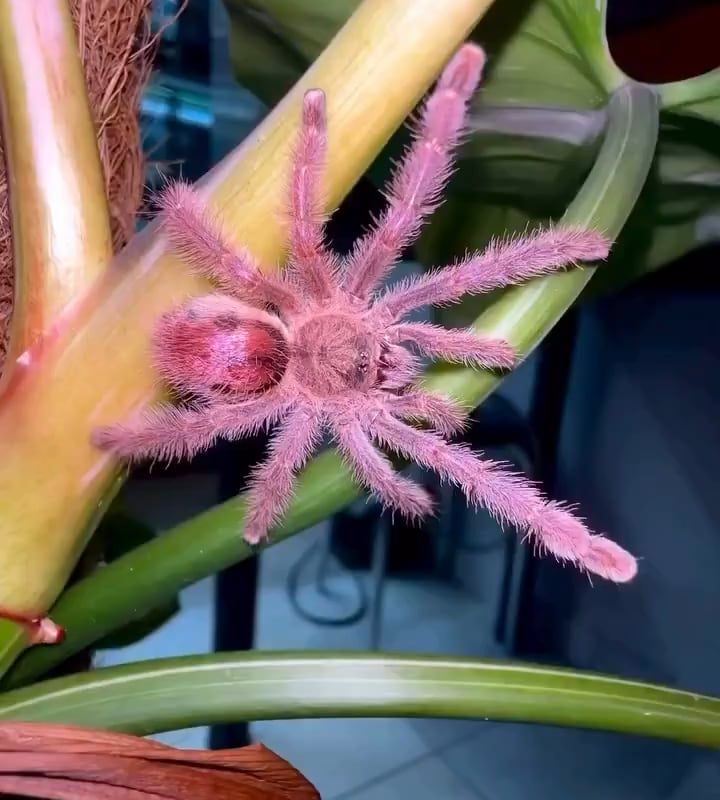
Iridopelma sp, a Brazilian arboreal tarantula known for its bright pink hairs.
Meta Description: Discover the rare Iridopelma sp., a stunning arboreal tarantula from Brazil famed for its electric pink hairs. Learn about its habitat, care needs, conservation, and why this exotic species fascinates arachnid enthusiasts.
Iridopelma sp.: Brazil’s Dazzling Pink-Haired Arboreal Tarantula
Brazil is home to some of the planet’s most extraordinary biodiversity, including the Iridopelma sp., an arboreal tarantula that has captivated spider enthusiasts with its radiant pink hairs and elusive nature. Native to the Atlantic rainforests and tropical ecosystems of Brazil, this tarantula species (still awaiting full scientific classification) is prized for its vibrant coloration and arboreal lifestyle. Here’s what makes this tarantula a standout species—and how its conservation is critical for preserving its fragile habitat.
What Is the Iridopelma sp. Tarantula?
Iridopelma sp. refers to an undesignated species within the Iridopelma genus, a group of arboreal tarantulas endemic to Brazil. While the genus isn’t as well-studied as Avicularia or Caribena, the species Iridopelma sp. has garnered attention for its striking pink or magenta setae (hairs) covering its legs and abdomen. These hairs refract light, creating a metallic sheen—giving the spider an almost “electric” appearance—unlike any other tarantula.
Key Characteristics
- Coloration: Bright pink setae contrast with a dark gray or black body.
- Size: Adults reach 5–6 inches (12–15 cm) in leg span.
- Habitat: Arboreal (tree-dwelling).
- Temperament: Fast, skittish, and not recommended for handling.
Habitat & Natural Behavior
Iridopelma sp. inhabits Brazil’s humid Atlantic rainforests, where it nests in tree hollows, crevices, or bromeliads. Like many arboreal tarantulas, it uses silk to line retreats and create trapdoors for hunting. At night, it ambushes insects, small frogs, or lizards.
Survival Adaptations
- Arboreal Agility: Long legs and specialized hairs help it climb vertical surfaces.
- Defensive Traits: Flicks urticating hairs (found on the abdomen) when threatened.
- Cryptic Lifestyle: Rarely seen in the wild due to camouflage and nocturnal habits.
Keeping Iridopelma sp. in Captivity: Care Guide
While uncommon in the pet trade due to Brazil’s export restrictions, captive-bred specimens occasionally surface among dedicated breeders. Here’s what they need to thrive:
Enclosure Setup
- Type: Vertical terrarium (e.g., 12″L x 12″W x 18″H).
- Substrate: Moist coco fiber or sphagnum moss to maintain humidity (70–80%).
- Decor: Cork bark, branches, and live plants (e.g., pothos) for climbing/hiding.
- Temperature: 75–82°F (24–28°C).
Feeding
- Diet: Crickets, roaches, and occasional mealworms.
- Water: Mist the enclosure lightly and provide a shallow dish.
Behavior Notes
- Reclusive: Expect this tarantula to hide during the day.
- Fast Movements: Use caution during enclosure maintenance—they bolt if startled.
Note: Iridopelma sp. is best suited for advanced keepers due to its speed and sensitivity to humidity changes.
Conservation Status & Threats
Wild Iridopelma populations are declining due to:
- Habitat Loss: Deforestation in Brazil’s Atlantic rainforest (less than 10% remains intact).
- Pet Trade Demand: Illegal collection pressures wild specimens, despite export bans.
- Climate Change: Drier conditions threaten its humid microhabitat.
Brazilian law prohibits the export of native wildlife like tarantulas without permits. Ethical keepers should only purchase captive-bred spiders from reputable breeders.
Why the Pink Hairs? The Science Behind the Color
The vibrant pink hairs (setae) of Iridopelma sp. likely serve multiple purposes:
- Camouflage: Blends with lichen or bromeliads in sun-dappled forests.
- Mate Attraction: Colors might signal fitness to potential mates.
- Light Reflection: Iridescent hairs could confuse predators by distorting the spider’s outline.
Researchers suspect diet (e.g., carotenoid pigments) and genetic factors influence the intensity of the pink coloration.
Iridopelma sp. FAQs
-
Are they venomous?
Yes, but their venom is mild. Bites are rare and comparable to a bee sting. -
How long do they live?
Females: 8–12 years. Males: 3–5 years (shorter due to shorter maturity cycles). -
Can I handle my Iridopelma sp.?
Not advised. They’re easily stressed and prone to bolting.
Final Thoughts
The Iridopelma sp. is a jewel of Brazil’s rainforests, dazzling collectors and biologists alike with its pink hues and arboreal elegance. As habitat destruction accelerates, supporting sustainable captive breeding and conservation initiatives is vital to protect this species. For tarantula enthusiasts, observing an Iridopelma sp.—even from a distance—is a rare privilege and a reminder of nature’s brilliance.
Target Keywords: Brazilian pink tarantula, Iridopelma sp. care, arboreal tarantula species, pink tarantula habitat, rare pet spiders, Brazil rainforest spiders.