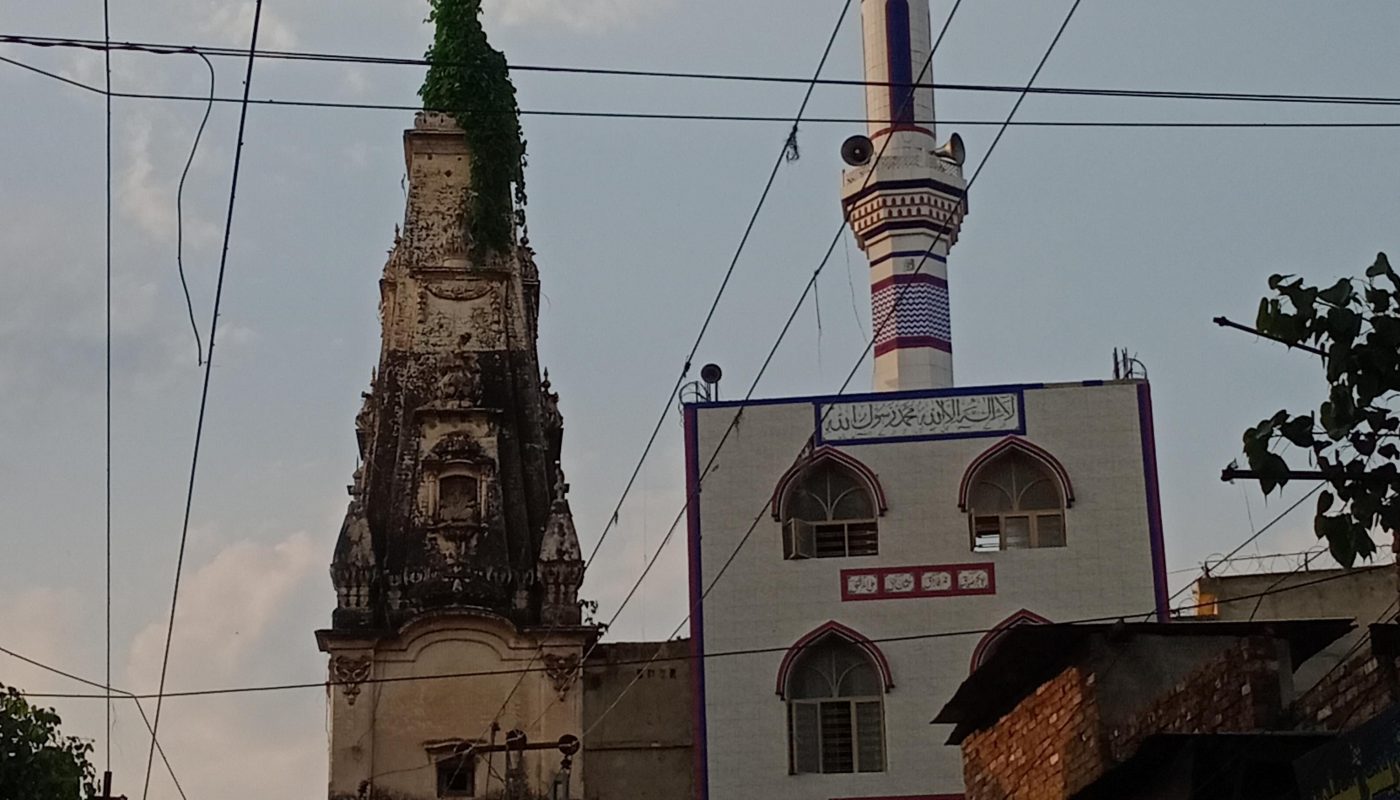
A Mosque and a Temple side by side in Rawalpindi, Pakistan.
Title: Harmony in Stone: The Remarkable Coexistence of a Mosque and Temple in Rawalpindi, Pakistan
Meta Description: Discover the inspiring story of a historic mosque and temple standing side by side in Rawalpindi, Pakistan—a symbol of interfaith harmony. Explore their history, architecture, and cultural significance.
A Testament to Tolerance: The Side-by-Side Mosque and Temple of Rawalpindi
In the bustling streets of Rawalpindi—a city steeped in history and multicultural heritage—stands a unique symbol of coexistence: a century-old mosque and Hindu temple sharing a boundary wall in the Saddar Bazaar area. This rare sight, where Islamic and Hindu architecture stand shoulder-to-shoulder, offers a powerful narrative of religious tolerance in Pakistan, a country often associated with its Islamic identity.
Location & History: Where Faiths Converge
The mosque, known locally as Jamia Mosque, and the adjacent Krishna Mandir (Temple) are located in Rawalpindi’s Saddar neighborhood, a historic commercial and cultural hub. Built during the British colonial era in the late 19th century, both structures reflect the multicultural fabric of pre-Partition Punjab, when Hindus, Muslims, and Sikhs thrived together.
- The Jamia Mosque: A quintessential example of Mughal-inspired architecture, with domes, minarets, and intricate calligraphy.
- The Krishna Mandir: A beautiful, albeit weathered, Hindu temple adorned with carvings of deities and motifs from Hindu mythology.
Despite the demographic shifts after Partition (1947), which saw most of Rawalpindi’s Hindu community migrate to India, the temple remained intact. Locals and religious leaders ensured its preservation, even as the mosque continued to serve the Muslim majority.
Architectural Harmony: Two Worlds, One Street
The juxtaposition of these sacred spaces is striking:
- Jamia Mosque resonates with the sounds of the azaan (call to prayer), drawing worshippers five times a day.
- Krishna Mandir, though less frequented today, still hosts occasional visits by Pakistan’s small Hindu community and curious tourists.
The temple’s vibrant frescoes and arched doorways contrast elegantly with the mosque’s elegant symmetry, creating a visual dialogue between two faith traditions.
Cultural Significance: A Beacon of Interfaith Unity
This side-by-side existence holds deep symbolic value in modern Pakistan:
- A Model of Peaceful Coexistence: It challenges stereotypes about religious divides in South Asia.
- Shared Heritage: Both sites are part of Pakistan’s efforts to preserve minority religious landmarks, such as the restored Katas Raj Temples and Sikh gurdwaras.
- Tourism & Awareness: The site draws visitors interested in Pakistan’s pluralistic past, bolstering cultural tourism.
Visiting the Site: What Travelers Should Know
- Location: Saddar Bazaar, Rawalpindi (near the historic Raja Bazaar).
- Accessibility: The mosque is active, so dress modestly; visitors may enter the temple courtyard with permission.
- Best Time to Visit: Weekday mornings to avoid crowds.
Preservation Challenges & Community Efforts
While the mosque is well-maintained, the temple has faced neglect. Recent initiatives by civil society groups and the Evacuee Trust Property Board (ETPB)—which manages minority religious sites in Pakistan—aim to restore its fading artwork. Social media campaigns, like #SaveRawalpindiTemple, have also raised awareness.
Why This Story Matters Today
In a world often divided by religious conflict, Rawalpindi’s mosque-temple duo reminds us that coexistence is possible. Pakistan’s Hindu community (nearly 4 million people) continues to contribute to the nation’s cultural tapestry, and sites like these validate their place in the country’s identity.
Final Thoughts: A Lesson in Unity
The enduring presence of the Jamia Mosque and Krishna Mandir in Rawalpindi is more than a historical curiosity—it’s a living testament to the power of mutual respect. For travelers, historians, or anyone seeking hope in humanity’s capacity for harmony, this corner of Pakistan offers a quiet but profound inspiration.
Explore Rawalpindi’s Hidden Gems:
Plan a visit to Saddar to witness this marvel, and don’t miss nearby landmarks like the Rawalpindi Cricket Stadium and Ayub National Park for a full day of discovery!
Keywords for SEO: Rawalpindi mosque and temple, interfaith harmony Pakistan, Krishna Mandir Rawalpindi, Jamia Mosque Saddar, Hindu temples in Pakistan, religious coexistence, cultural heritage Pakistan, interreligious dialogue, Saddar Bazaar Rawalpindi, tourism Pakistan.
Note: Always verify site accessibility and cultural norms before visiting. Respect prayer times and local guidelines.