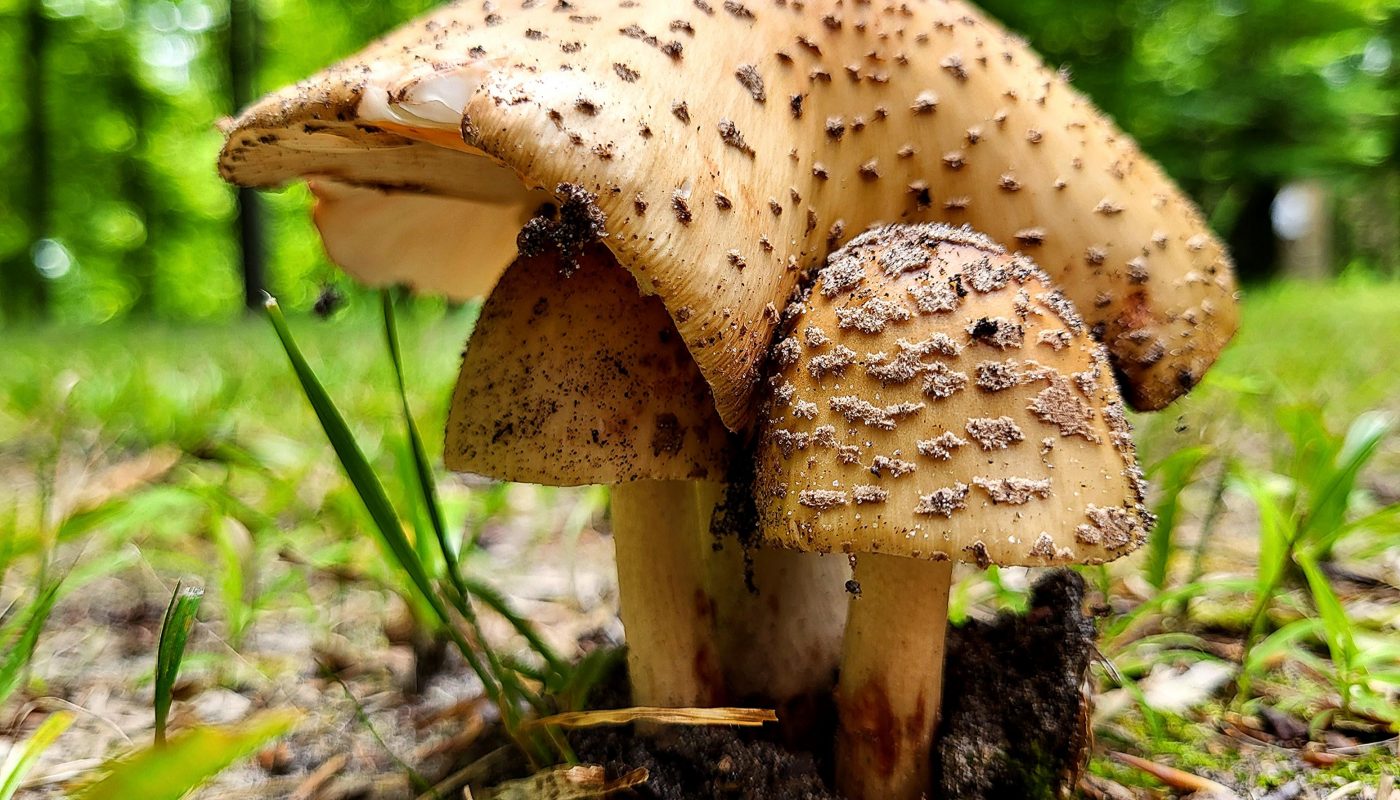
These mushrooms I found growing together
Title: Why Are These Mushrooms Growing Together? Exploring the Fascinating World of Fungal Clusters
Meta Description: Discover why mushrooms often grow together in clusters or colonies, their ecological significance, and how to identify common grouped fungi. Explore the science behind nature’s fungal teamwork!
Why Mushrooms Grow Together: Nature’s Collaborative Fungi
If you’ve stumbled upon a cluster of mushrooms growing tightly packed in your yard, forest floor, or even on a rotting log, you’re witnessing one of nature’s most intriguing fungal phenomena. Mushrooms rarely appear alone—they thrive in communities, sharing resources and strategies to survive. In this article, we’ll explore why mushrooms grow in clusters, the advantages of this behavior, and how to identify some of the most common grouped fungi you might encounter.
What Does It Mean When Mushrooms Grow Together?
Mushrooms are the fruiting bodies of fungi, acting as the reproductive organs of a larger, hidden network called the mycelium (a web-like structure beneath the soil or substrate). When environmental conditions are ideal—ample moisture, nutrients, and temperature—mycelium produces mushrooms en masse to release spores and propagate.
Clustering offers several survival benefits for fungi:
- Resource Efficiency: Sharing a nutrient-rich substrate (e.g., decaying wood or soil) allows fungi to maximize energy use.
- Spore Dispersal: Grouped mushrooms release spores in unison, increasing the chances of reproduction.
- Protection: Dense clusters maintain humidity and shield younger mushrooms from predators or harsh weather.
Common Habitats for Clustered Mushrooms
Mushrooms that grow together often share similar environmental needs. Look for these hotspots:
- Rotting Wood: Species like oyster mushrooms (Pleurotus spp.) and enoki (Flammulina velutipes) thrive on decaying logs.
- Leaf Litter & Soil: Fairy rings (e.g., Marasmius oreades) form circular clusters in grassy areas.
- Tree Bases: Honey mushrooms (Armillaria spp.) colonize tree roots, often appearing in large, destructive groups.
- Mulch or Compost: Fast-growing ink caps (Coprinus spp.) emerge in damp, nutrient-rich piles.
Identifying 6 Common Mushrooms That Grow in Clusters
1. Oyster Mushrooms (Pleurotus spp.)
- Appearance: Shelf-like, overlapping caps; white, gray, or tan.
- Habitat: Dead or dying hardwood trees.
- Edibility: Choice edible! Prized for their savory flavor.
2. Honey Mushrooms (Armillaria mellea)
- Appearance: Golden-brown caps, white gills, and a ring around the stem.
- Habitat: Base of living/dying trees (often parasitic).
- Caution: Some varieties are edible when cooked, but misidentification risks poisoning.
3. Shaggy Mane (Coprinus comatus)
- Appearance: Tall, white, shaggy caps that dissolve into black “ink” as they mature.
- Habitat: Lawns, roadsides, and disturbed soil.
- Edibility: Edible only when young—before liquefaction!
4. Fairy Ring Mushrooms (Marasmius oreades)
- Appearance: Small, tan caps growing in grassy circles.
- Habitat: Lawns or meadows.
- Edibility: Edible but easily confused with toxic look-alikes.
5. Chicken of the Woods (Laetiporus sulphureus)
- Appearance: Bright orange-yellow shelves on tree trunks.
- Habitat: Oak, cherry, or eucalyptus trees.
- Edibility: A popular meat substitute when harvested young.
6. Puffballs (Lycoperdon spp.)
- Appearance: Round, white balls; release spores when pressed.
- Habitat: Fields or decaying wood.
- Caution: Must be pure white inside—avoid if discolored.
Ecological Importance of Mushroom Clusters
- Decomposers: Clustered wood-loving fungi break down lignin and cellulose, recycling nutrients.
- Symbiosis: Some groups, like mycorrhizal mushrooms, partner with tree roots to exchange water and nutrients.
- Biodiversity Indicators: Large fruiting bodies signal a healthy, balanced ecosystem.
FAQs About Mushroom Clusters
Q: Are grouped mushrooms safe to touch?
A: Yes, but avoid handling unknown species. Always wash hands afterward!
Q: Can I eat mushrooms growing together?
A: Only if 100% identified by an expert. Many toxic species (e.g., Galerina marginata) mimic edible ones.
Q: Why do mushrooms sometimes grow in circles?
A: “Fairy rings” form as mycelium expands outward, depleting nutrients at the center over years.
Q: How can I tell mushrooms are from the same colony?
A: Look for shared substrate (e.g., one log) and uniform color/structure. Genetic testing confirms it definitively.
Conclusion: The Beauty of Fungal Teamwork
Mushrooms growing together are far more than a curious sight—they’re evidence of nature’s collaborative genius. From recycling organic matter to creating symbiotic relationships, these clustered fungi remind us that life thrives on connection. If you discover a mushroom group, admire it, photograph it, but never consume it without expert verification. When in doubt, consult a local mycologist or foraging guide!
SEO Keywords: mushrooms growing together, cluster mushrooms, fungal colonies, oyster mushroom cluster, identify mushroom clusters, fungi on wood, fairy ring mushrooms, mushroom identification.
Internal Linking Tip: Link to guides like “How to Safely Forage Wild Mushrooms” or “5 Edible Mushrooms for Beginners” to improve site engagement.
Image Suggestion: Pair article with visuals of clustered mushrooms (e.g., honey mushrooms on a stump, oyster mushrooms overlapping).