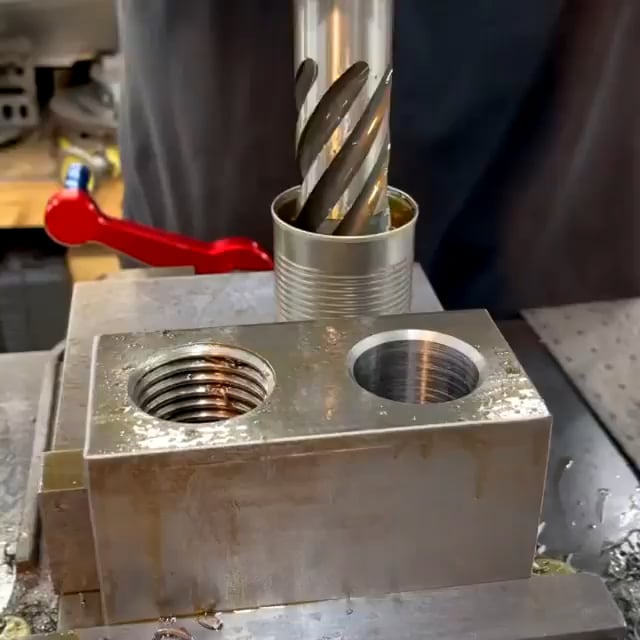
Two Inch Power Tapping
Unlocking Efficiency and Precision in Metalworking: A Comprehensive Guide to Two Inch Power Tapping
When machining large components or tackling heavy-duty fabrication projects, two inch power tapping becomes an indispensable process for creating strong, threaded holes efficiently. However, working with taps of this size demands specialized tools, techniques, and safety considerations to avoid costly errors or tool breakage. In this guide, we explore the essentials of two-inch power tapping, covering best practices, equipment selection, and tips to maximize productivity.
What is Power Tapping?
Power tapping refers to the process of using powered machinery—such as drill presses, milling machines, or CNC machining centers—to drive a tap into a pre-drilled hole, cutting internal threads. Unlike manual tapping (which relies on hand tools), power tapping offers speed, consistency, and reduced operator fatigue. For large-diameter threads—like two inch (2″) taps—power tapping is often mandatory due to the high torque required.
Why Two Inch Power Tapping Matters
- Heavy-Duty Applications: Two-inch threads are common in industries like oil and gas, construction, marine, and aerospace for fastening large structural components, flanges, or machinery.
- Time Savings: Power tapping accelerates thread production, especially critical for high-volume or precision-critical jobs.
- Superior Thread Quality: Automated feeds reduce the risk of human error, ensuring uniform thread depth and alignment.
Challenges of Two Inch Power Tapping
Working with such large taps isn’t without hurdles:
- Torque Requirements: 2″ taps demand immense torque to cut threads into tough materials like steel or stainless steel.
- Heat and Friction: Large taps generate significant heat, increasing wear and tear without proper cooling.
- Tool Rigidity: Any machine vibration or flex can lead to tap breakage, scrapping expensive workpieces.
- Chip Evacuation: Long spiral chips from deep holes can clog flutes, damaging threads or the tap itself.
Essential Tools for Successful Two Inch Power Tapping
1. Tap Selection
- Spiral Point Taps (Gun Taps): Ideal for through-holes, these taps push chips forward for efficient evacuation.
- Spiral Flute Taps: Best for blind holes, as flutes draw chips upward and away from the cutting zone.
- Material-Specific Coating: Choose taps with TiN (Titanium Nitride) or AlCrN (Aluminum Chromium Nitride) coatings for increased hardness and heat resistance.
2. Machinery and Toolholding
- Rigid Setup: Use a CNC machining center, radial drill press, or heavy-duty tapping machine with high torque output (≥1,000 in-lbs).
- Tapping Heads: Floating or tension-compression tapping heads accommodate slight misalignments and protect against breakage.
- Collets vs. ER Chucks: ER collet chucks provide superior grip and concentricity compared to standard drill chucks.
3. Coolant and Lubrication
- High-Pressure Coolant Systems: Direct coolant to the cutting edge to dissipate heat and flush chips.
- Heavy-Duty Tapping Fluid: Use sulfurized or chlorinated oils for ferrous metals, or water-soluble fluids for aluminum alloys.
Best Practices for Flawless Power Tapping
-
Pre-Drill the Correct Pilot Hole
- Use a drill chart to determine the right tap drill size (e.g., 1.812” drill for a 2”-4.5 UNC thread).
- Ensure the hole is straight and deburred to prevent tap wandering.
-
Optimize Speed and Feed
- Reduce RPMs for larger taps (e.g., 50–150 RPM for 2” taps in steel).
- Synchronize feed rate with thread pitch (e.g., 4.5 TPI requires 0.222” per revolution).
-
Peck Tapping for Deep Holes
- For holes deeper than 2x diameter, retract the tap periodically to clear chips.
-
Thread Depth Control
- Set rigid tapping cycles to avoid over-threading. Program a slight reversal to relieve stress.
-
Safety First
- Secure workpieces rigidly with clamps or vises.
- Wear PPE: gloves, face shields, and noise protection.
Common Pitfalls to Avoid
- Forcing the Tap: Never push a stalled tap—this risks snapping it off. Back out, clear debris, and resume.
- Neglecting Lubrication: Dry tapping shortens tool life and compromises thread finish.
- Using Worn Tools: Inspect taps for chipping or dull edges; replace them immediately.
Conclusion: Mastering Two Inch Power Tapping
Power tapping for 2” threads is a high-stakes process that rewards preparation and precision. By investing in the right tools, optimizing machine settings, and adhering to safety protocols, fabricators can achieve smooth, reliable threads even in the toughest materials. Whether you’re threading a large industrial valve or a structural beam, these principles will ensure your project stays on time, on budget, and free of frustrating setbacks.
Looking for high-performance two inch taps? Consult reputable manufacturers like OSG, Guhring, or Kennametal for taps engineered for power applications—and always prioritize quality over cost for mission-critical jobs.