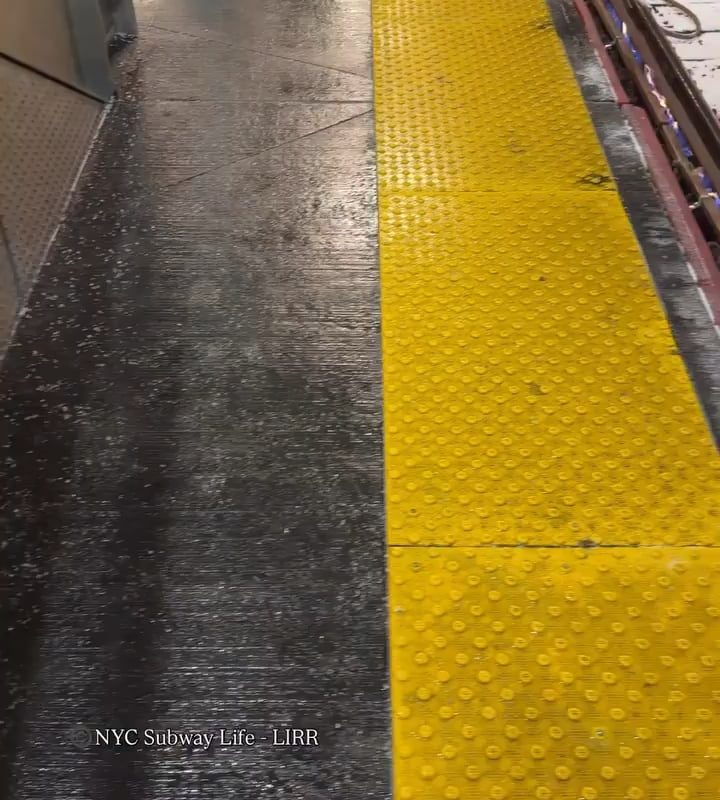
Long Island Rail Road uses gas heaters at Jamaica Station so the railroad track switches don’t freeze in winter
Title: How the Long Island Rail Road Uses Gas Heaters to Keep Jamaica Station Running Smoothly in Winter
Meta Description: Discover how the Long Island Rail Road (LIRR) combats winter weather at Jamaica Station using gas heaters to prevent frozen rail switches, ensuring safe and timely service.
Introduction: Winter’s Threat to Rail Operations
Winter brings freezing temperatures, snow, and ice to New York, creating major challenges for public transportation. At Jamaica Station—the LIRR’s bustling Queens hub where 10 of its 11 branches converge—a single frozen railroad switch could trigger system-wide delays. To keep trains moving safely, the LIRR relies on a simple yet critical solution: gas-powered switch heaters.
In this article, we’ll explore how these heaters work, why Jamaica Station depends on them, and how they protect thousands of daily commuters from weather-related disruptions.
Why Railroad Switches Freeze—and Why It Matters
Railroad switches are mechanical systems that guide trains from one track to another. In freezing conditions, ice can jam these switches, rendering them immobile. If a switch fails:
- Trains cannot change routes, leading to bottlenecks.
- Delays cascade across the LIRR network, affecting 200,000+ daily riders.
- Safety risks rise due to unexpected stops or misaligned tracks.
Jamaica Station’s complex layout—where hundreds of trains pass daily—makes it especially vulnerable. A single frozen switch here could disrupt service across Long Island and NYC.
Gas Heaters: The LIRR’s Cold-Weather Lifeline
To prevent freezing, the LIRR deploys propane or natural gas heaters at critical switches in Jamaica and other high-traffic areas. Here’s how they work:
-
Targeted Heat Delivery:
Gas burners or radiant heaters are installed near switches, warming rails and mechanical components to just above freezing (even in sub-zero temps). -
Automated Activation:
Sensors or staff trigger heaters when temperatures drop below a set threshold (e.g., 35°F or lower). -
Cost-Efficient Reliability:
Gas heaters are favored for their portability, rapid heating, and independence from electrical grids (which can fail during storms).
Why the LIRR Chooses Gas Over Alternatives
While electric heaters or chemical de-icers exist, gas heaters offer unique advantages:
✅ Faster Response: Direct flame or radiant heat melts ice within minutes.
✅ Durability: Operate reliably in heavy snow, wind, and power outages.
✅ Proven Track Record: Used by railroads nationwide, including Amtrak and Metro-North.
MTA officials have confirmed that gas heaters are a “key part of winter preparedness” for the LIRR, especially at Jamaica Station’s strategic junctions.
The Impact on Commuters
By investing in preventive measures like gas heaters, the LIRR aims to:
- Reduce Delays: Minimizes ice-related switch failures during nor’easters and polar vortes.
- Enhance Safety: Keeps switches functional, preventing derailment risks.
- Maintain Service: Critical for Jamaica Station, where delays ripple across the entire system.
For example, during the January 2024 snowstorm, proactive heating helped Jamaica Station avoid major shutdowns despite record-low temperatures.
Beyond Heaters: The LIRR’s Multi-Layered Winter Strategy
Gas heaters are just one tool in the LIRR’s cold-weather playbook. Other tactics include:
- Anti-Ice Coatings: Lubricants applied to switches to repel moisture.
- Around-the-Clock Teams: Crews inspect and manually clear switches during storms.
- Snow Trains: Special locomotives with plows and blowers clear tracks.
Looking Ahead: Future Improvements
While gas heaters are effective, the LIRR is exploring new technologies for sustainability and efficiency, such as:
- Electric Hybrid Heaters: Lower-emission options powered by renewable energy.
- AI Monitoring: Smart sensors to predict freezing risks and optimize heater use.
Frequently Asked Questions (FAQs)
Q: Does the LIRR use gas heaters at all stations?
A: No—they’re prioritized at major hubs like Jamaica, Penn Station, and Atlantic Terminal due to high traffic and complex track layouts.
Q: Are gas heaters environmentally safe?
A: While propane/natural gas emits CO₂, the LIRR follows strict guidelines to minimize impact. Future upgrades may include cleaner alternatives.
Q: Do heaters eliminate all winter delays?
A: They significantly reduce switch-related issues, but delays can still occur due to snow accumulation, signal problems, or other factors.
Conclusion: Keeping the Rails Hot When Temperatures Drop
The Long Island Rail Road’s use of gas heaters at Jamaica Station is a testament to practical, real-world engineering defeating winter’s worst. By ensuring switches stay ice-free, the LIRR safeguards the Northeast’s busiest rail hub—and keeps commuters moving when it matters most.
Next time you ride through Jamaica Station during a snowstorm, remember: those small flames beneath the tracks are quietly keeping your train on schedule.
Stay informed about LIRR service updates: Visit the MTA’s Winter Preparedness Page
Target Keywords:
- LIRR Jamaica Station winter operations
- Railroad switch heaters
- How trains avoid freezing switches
- Long Island Rail Road winter safety
- MTA cold-weather preparedness