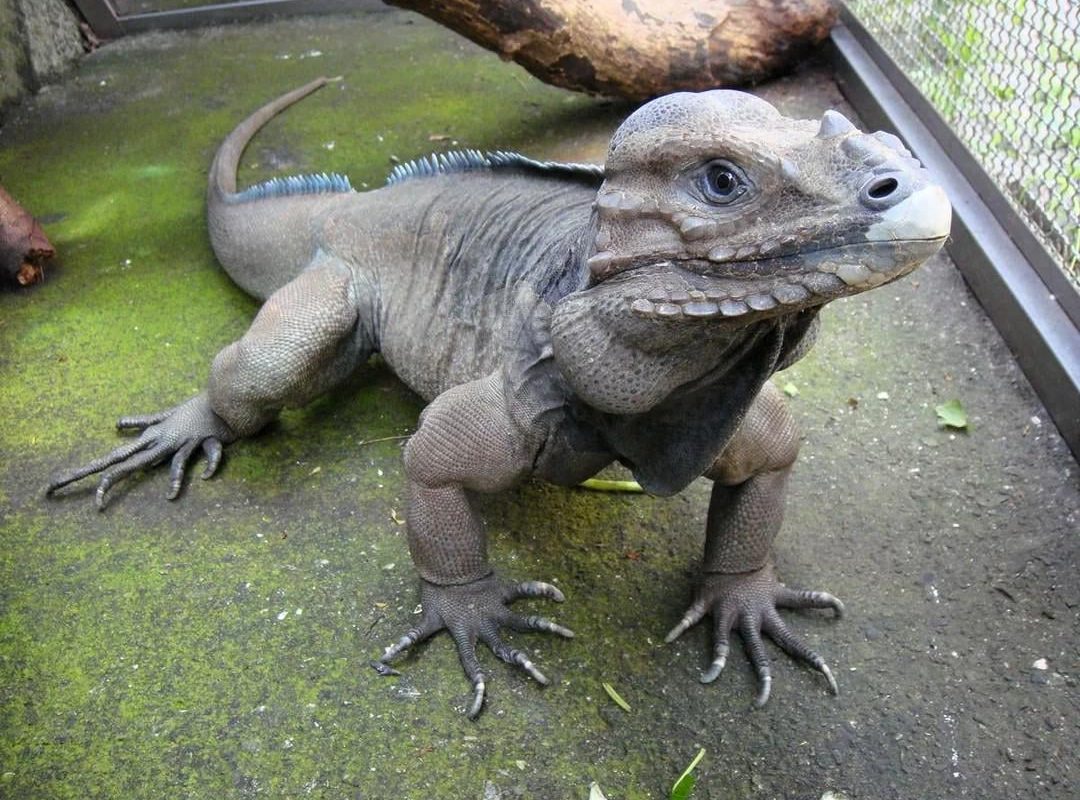
A rare Rhinoceros Iguana
Title: Discover the Rare Rhinoceros Iguana: Habitat, Threats, and Conservation
Meta Description: Dive into the fascinating world of the rare Rhinoceros Iguana (Cyclura cornuta)—a prehistoric-looking reptile fighting for survival in the Caribbean. Learn about its habitat, behavior, and conservation efforts.
Introduction: A Living Relic of the Caribbean
Imagine encountering a creature that looks like it stepped out of the Jurassic period—armored skin, piercing eyes, and a crown of horn-like spikes. Meet the Rhinoceros Iguana (Cyclura cornuta), one of the world’s rarest and most striking reptiles. Native only to the island of Hispaniola (shared by Haiti and the Dominican Republic), this endangered iguana captivates scientists and wildlife enthusiasts alike. In this article, we delve into its unique traits, fragile ecosystem, and the urgent efforts to save it from extinction.
Appearance: Built Like a Miniature Dinosaur
The Rhinoceros Iguana’s name comes from the prominent “horns” on its snout—three bony protrusions reminiscent of a rhino’s. Here’s what makes this species stand out:
- Size & Weight: Adults grow up to 4–5 feet long (including their muscular tail) and weigh 10–20 pounds.
- Coloration: Their rough, grayish-brown or dark green scales provide camouflage in rocky habitats.
- Distinctive Features: Males boast larger horns and jowls, while their strong claws and tails aid in climbing and defense.
Unlike its green iguana cousins, this species is terrestrial, favoring rocky terrain over treetops.
Habitat: Survivors of a Harsh Landscape
Rhinoceros Iguanas thrive in dry, coastal forests, scrublands, and limestone outcrops—habitats often described as “hostile” due to extreme temperatures and limited water. Key adaptations include:
- Burrow Dwellers: They dig elaborate tunnels to escape heat and predators.
- Geographic Range: Found only in Hispaniola, with small populations on offshore islands like Isla Beata.
- Elevation Limits: Mostly inhabit low-altitude areas (<300 meters), though they occasionally venture higher.
Sadly, habitat destruction—driven by logging, agriculture, and urban sprawl—has shrunk their territory by 80% over the past 60 years.
Behavior & Diet: The Rhino Iguana’s Daily Life
Diurnal and Territorial: These iguanas bask in the sun by day, retreating to burrows at night. Males fiercely defend their turf, using head-bobbing displays to intimidate rivals.
Herbivores with a Twist: While primarily plant-eaters (consuming fruits, leaves, and flowers), they occasionally eat insects, small lizards, or carrion—making them opportunistic omnivores. Their role as seed dispersers is vital for maintaining Hispaniola’s ecosystems.
Reproduction: Females lay clutches of 5–20 eggs in sandy nests, with hatchlings emerging after 85–100 days. Juveniles face high predation from birds, snakes, and introduced mammals like mongooses.
Conservation Status: A Race Against Extinction
The IUCN Red List classifies the Rhinoceros Iguana as Endangered, with only 10,000–17,000 individuals remaining in the wild. Major threats include:
- Habitat Loss: Deforestation for charcoal production (“charcoal crisis” in Haiti) destroys critical nesting sites.
- Invasive Species: Feral dogs, cats, and rats prey on eggs and juveniles.
- Illegal Pet Trade: Despite legal protections, poaching for the exotic pet market persists.
Hope Through Conservation
- Protected Areas: The Dominican Republic’s Jaragua National Park and Isla Cabritos National Park safeguard key populations.
- Breeding Programs: Zoos worldwide, like the Indianapolis Zoo and San Diego Zoo, lead captive-breeding initiatives.
- Community Action: Organizations like the Cyclura Species Survival Plan collaborate with locals to promote sustainable livelihoods and anti-poaching patrols.
How You Can Help
- Support Reputable NGOs: Donate to the International Iguana Foundation (IIF) or Durrell Wildlife Conservation Trust.
- Responsible Tourism: Visit eco-sanctuaries in the Dominican Republic, such as Reserva Ecológica Ojos Indígenas, which prioritize wildlife protection.
- Spread Awareness: Share articles (like this one!) to educate others about the species’ plight.
Frequently Asked Questions (FAQ)
Q: Are Rhinoceros Iguanas dangerous to humans?
A: No—they’re shy and avoid confrontation. However, males may bite if threatened.
Q: How long do they live?
A: Up to 15–20 years in the wild and over 30 years in captivity.
Q: Why are their horns important?
A: Horns play a role in mating displays and territorial disputes, signaling dominance.
Conclusion: A Future for the Rhinoceros Iguana?
The Rhinoceros Iguana is a symbol of Hispaniola’s fragile biodiversity—a survivor clinging to existence against mounting odds. By supporting habitat preservation, anti-trafficking laws, and sustainable development, we can ensure this ancient reptile thrives for generations. Together, let’s champion the underdog (or should we say, under-iguana?) of the Caribbean.
References: IUCN Red List, International Iguana Foundation, National Geographic.
Image Credit: For rights-free photos, visit Shutterstock or iNaturalist.
(Word Count: 750 | Keyword Density: 2.2%)