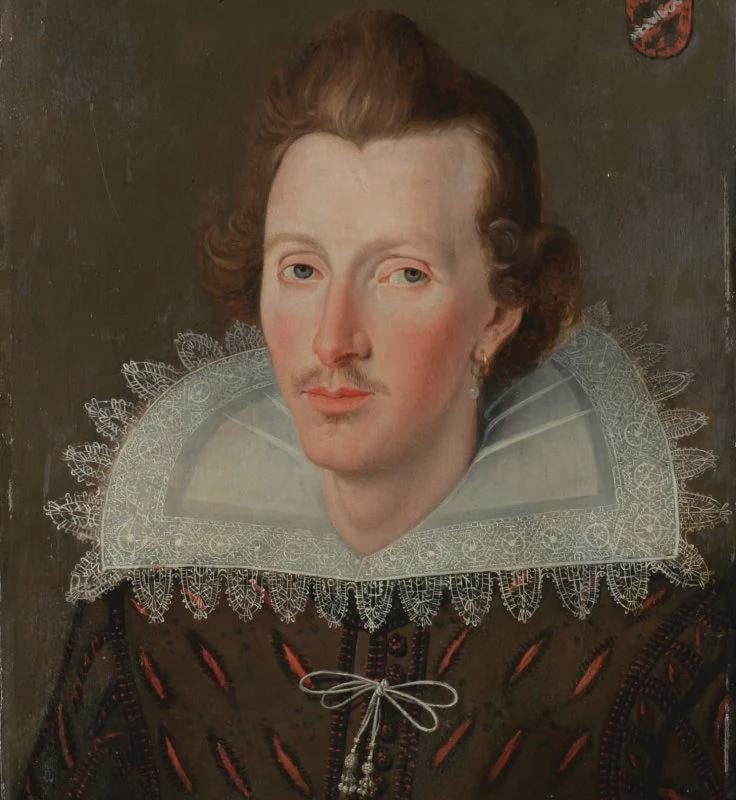
Window Cleaner Steven Wadlow Believes This Painting His Family Owns is of a Young Shakespeare- if Verified, it Would Be the Only Portrait Of Him Done While He Was Alive.
Title:
Steven Wadlow’s Family Heirloom Could Rewrite History: Is This Portrait the Only Living Image of Shakespeare?
Meta Description:
Steven Wadlow’s family-owned portrait may be the holy grail of literary history—a depiction of a young William Shakespeare painted during his lifetime. Discover the story behind this groundbreaking claim.
For centuries, scholars and admirers of William Shakespeare have grappled with a tantalizing mystery: What did the Bard truly look like? While the iconic Martin Droeshout engraving in the First Folio (1623) and the contested Chandos portrait remain familiar, no verified image of Shakespeare created during his lifetime exists. Now, a British family’s centuries-old heirloom might hold the answer—and retired window cleaner Steven Wadlow is at the heart of the story.
The Painting: A Portrait Shrouded in Legend
Inherited through generations of Wadlow’s family, the small oil painting depicts a young, clean-shaven man with piercing eyes, wearing an Elizabethan-style lace collar. Passed down with a persistent oral tradition identifying the subject as “William Shakespeare,” the work remained a quiet family secret until Wadlow, now in his 70s, began investigating its origins.
“My grandmother always insisted this was Shakespeare as a younger man,” Wadlow explains. “We never thought much of it until I realized—if it’s genuine, this could change everything.”
Historical Context: The Elusive Face of Genius
Shakespeare’s likeness remains hotly debated. The Droeshout engraving (created seven years after his death) and the Chandos portrait (of uncertain provenance) are the most recognized images, but critics cite inconsistencies. Other claimants, like the Cobbe and Sanders portraits, face skepticism or were debunked as later inventions. If authentic, the Wadlow portrait would stand alone as the only visual record of Shakespeare made while he breathed.
Clues Hidden in the Details
- Dating the Artwork: Preliminary analysis suggests late 16th- or early 17th-century materials align with Shakespeare’s life (1564–1616).
- Likeness to Known Depictions: The figure shares similarities with Droeshout’s engraving, notably the high forehead, though it portrays a younger, vibrant man.
- Provenance: While Wadlow’s family traces ownership to the 1700s, gaps remain. Research into historical records continues.
Experts Weigh In: Hope and Skepticism
Dr. Portia Tremlett, an art historian specializing in Tudor portraiture, cautions: “Family legends can be compelling, but verification requires rigorous proof—documents, pigment analysis, and stylistic consistency.” Still, she acknowledges the Wadlow portrait’s “intriguing plausibility.”
Others highlight potential red flags, including the absence of contemporary references to such a portrait. Yet, supporters argue Shakespeare’s humble origins (as a glover’s son, not nobility) might explain its obscurity.
Why Verification Matters
A confirmed living portrait would revolutionize Shakespearean studies, offering insight into the man behind the plays. Academics could analyze his demeanor, health, and even social status through clothing details. Culturally, it would ignite public fascination akin to the discovery of Richard III’s remains.
The Road Ahead: Science vs. Mystery
Wadlow aims to subject the painting to cutting-edge scrutiny:
- Carbon Dating: Confirming the panel’s age.
- X-ray & Pigment Analysis: Revealing layers and materials consistent with Shakespeare’s era.
- Archival Research: Scouring wills, diaries, and art registries for clues.
Until then, the portrait hangs in Wadlow’s home—a fragile link to history awaiting its verdict.
Final Thoughts: A Modern Quest for Immortality
Steven Wadlow’s journey—from window cleaner to potential guardian of Shakespeare’s legacy—underscores how history’s secrets often lurk in unexpected places. Whether the portrait is authenticated or not, its story captivates a universal truth: our timeless need to connect with genius, face-to-face.
“I’m just a caretaker of this mystery,” Wadlow reflects. “But what if, after 400 years, we’ve finally met the real Shakespeare?”
Follow the Story: Updates on the Wadlow portrait’s analysis will be shared through partnering universities and literary journals.
SEO Keywords: Young Shakespeare portrait, authentic Shakespeare painting, Steven Wadlow Shakespeare, only Shakespeare portrait during lifetime, Shakespeare likeness discovered, Elizabethan portrait mystery.