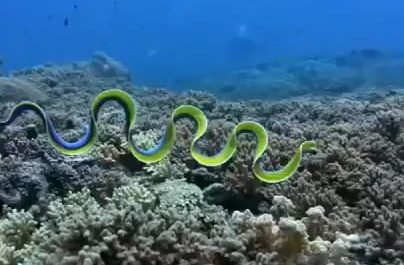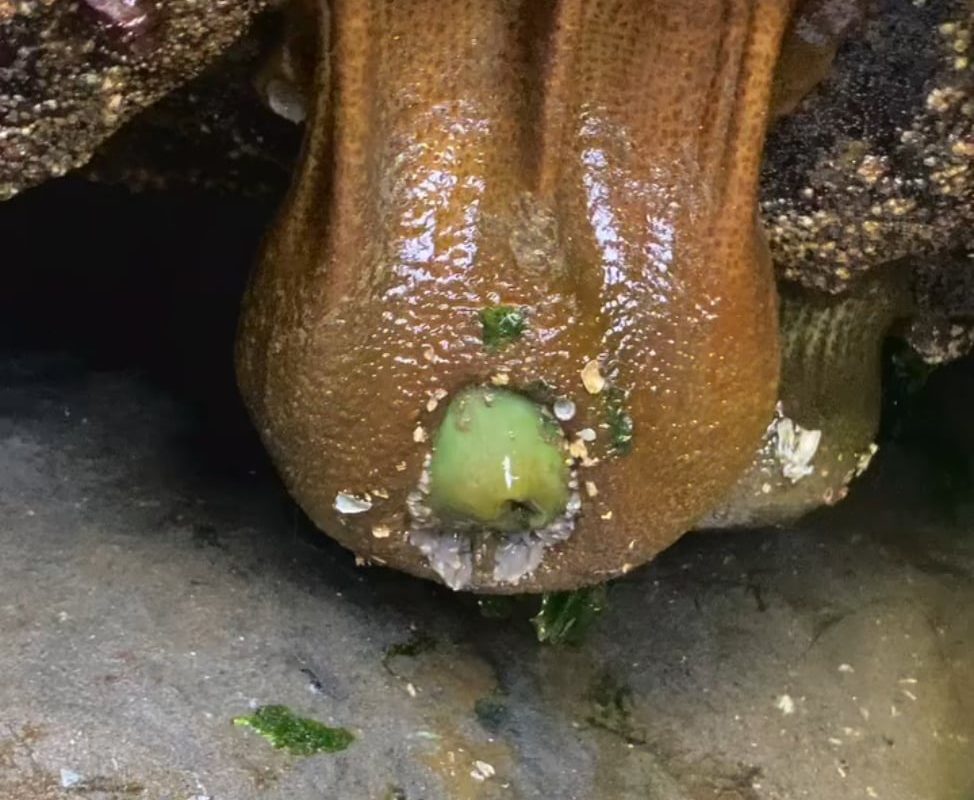
Anemone jiggle physics
Title: Anemone Jiggle Physics: The Science Behind Realistic Animated Movement in Games & Animation
Introduction
From underwater ecosystems in games like Subnautica to enchanted coral reefs in animated films, anemones have captivated audiences with their hypnotic, swaying movements. But what brings these tentacled creatures to life? Enter anemone jiggle physics—a specialized subset of procedural animation that simulates the organic, fluid motion of anemone tentacles. This article dives into the mechanics, applications, and challenges of creating believable “jiggle physics” for anemones in digital art and gaming.
What Are Anemone Jiggle Physics?
Jiggle physics refers to the computational simulation of soft, flexible objects reacting to forces like gravity, wind, or water currents. When applied to anemones, this involves replicating the rhythmic, gelatinous movement of their tentacles as they drift in ocean currents or respond to touch. Unlike rigid body physics, jiggle physics prioritizes squash-and-stretch mechanics, elasticity, and secondary motion—all critical for mimicking biological softness.
The Science Behind the Sway
-
Spring and Damping Systems
Most jiggle physics engines use spring-mass systems, where each tentacle segment is treated as a series of interconnected “masses” (points) connected by virtual springs. Adjusting the stiffness of these springs and adding damping (resistance) controls how fluidly or stiffly the tentacles sway. -
Procedural Animation vs. Keyframing
While traditional animation relies on manual keyframing, jiggle physics uses algorithms to automate movement based on environmental variables (e.g., water turbulence). This allows for dynamic, non-repetitive animations ideal for open-world games. -
Inverse Kinematics (IK)
IK solvers ensure tentacles reach toward targets (e.g., prey or light sources) while maintaining natural bends. Combined with jiggle physics, IK creates lifelike “reach and recoil” behavior. -
Particle Systems & Force Fields
Fluid simulations often employ particle-based force fields to emulate how water interacts with each tentacle, creating swirling, overlapping motions that avoid unnatural synchronicity.
Applications in Games & Animation
Anemone jiggle physics aren’t just eye candy—they’re vital for immersion:
- Games: Titles like Abzû, Subnautica, and Dave the Diver leverage these systems to create vibrant, responsive underwater biomes.
- CGI Films: Pixar’s Finding Nemo and Avatar: The Way of Water used similar techniques to animate coral reefs.
- VR/AR: Interactive aquariums and educational apps use jiggle physics to let users “touch” anemones, triggering realistic recoil.
Technical Challenges
- Performance Optimization
Simulating hundreds of tentacles in real-time strains GPUs. Developers often use Level of Detail (LOD) systems, simplifying physics for distant objects. - Avoiding the “Jelly Soup” Effect
Overly loose physics can make tentacles look like wobbly noodles. Artists fine-tune stiffness, damping, and collision boundaries to retain structure. - Collision Detection
Ensuring tentacles don’t clip through rocks, fish, or each other requires complex collision meshes and raycasting.
How to Simulate Anemone Jiggle Physics
For developers and animators, tools like Unity’s Physics Playground, Unreal Engine’s Chaos Physics, and Blender’s Soft Body Dynamics offer customizable frameworks. Key steps include:
- Model tentacles as chained capsules or bones.
- Assign soft-body constraints and spring parameters.
- Add environmental forces (e.g., directional water currents).
- Test and tweak damping values until motion feels organic.
Why Players & Audiences Notice (and Love) It
Subtle details matter. Realistic jiggle physics:
- Enhance immersion by making ecosystems feel alive.
- Provide visual feedback (e.g., tentacles recoiling from a player’s touch).
- Evoke emotional responses—serene swaying adds calm, while frantic motion builds tension.
Future Trends
With advancements in machine learning and real-time fluid dynamics, future iterations could see:
- AI-trained anemones adapting uniquely to player behavior.
- GPU-accelerated simulations enabling hyper-realistic deep-sea scenes.
- Cross-platform tools democratizing jiggle physics for indie devs.
FAQ Section
Q: Are jiggle physics only for anemones?
A: No! They’re used for hair, clothing, flesh, and even jellyfish. Anemones are a popular use case due to their complexity.
Q: Do jiggle physics impact game performance?
A: Yes, but optimizations like LOD and GPU instancing mitigate this.
Q: Can I achieve this in 2D animation?
A: Absolutely—tools like Spine or DragonBones simulate “soft” movement via mesh deformation and bones.
Conclusion
Anemone jiggle physics are a mesmerizing blend of art and computational science, transforming static models into living, breathing organisms. As gaming and animation push toward greater realism, these subtle yet sophisticated systems will continue to define how we experience digital nature—one undulating tentacle at a time.
Target Keywords:
- Anemone jiggle physics
- Procedural animation in games
- Soft body dynamics
- Realistic underwater animation
- Spring-mass systems
- Game physics optimization
By demystifying the tech behind the sway, this article aims to rank for niche gaming/animation queries while engaging developers, artists, and curious players alike! 🎮🌊