Intricate pen art
Title: The Mesmerizing World of Intricate Pen Art: Mastering Detail One Stroke at a Time
Introduction
In a digital age dominated by graphic design and digital illustration, the raw, tactile beauty of intricate pen art continues to captivate audiences. Defined by painstaking detail, precision, and creativity, pen art transforms humble pens into instruments of extraordinary expression. This article explores the allure of intricate pen art, its techniques, tools, and the artists redefining this timeless craft—perfect for art enthusiasts, collectors, and aspiring creatives alike.
What is Intricate Pen Art?
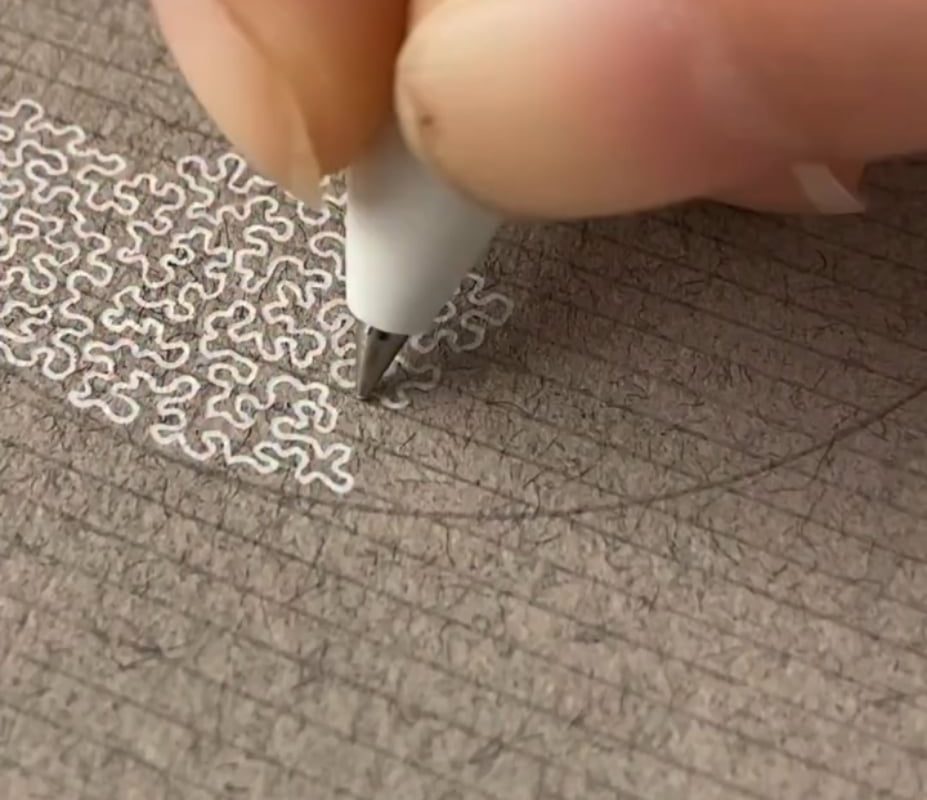
Intricate pen art refers to highly detailed drawings created primarily with pens—ranging from fine liners and technical pens to ballpoints. Unlike sketching or doodling, this art form emphasizes precision, often featuring complex patterns, hyperrealistic textures, or imaginative surrealist scenes. Popular styles include:
- Stippling: Creating depth and shading using thousands of tiny dots.
- Cross-Hatching: Layering intersecting lines to build texture and contrast.
- Linework: Fluid, continuous strokes to form geometric or organic designs.
- Pointillism: Similar to stippling but often incorporating color and gradients.
This meticulous process can take dozens, even hundreds, of hours—making each piece a testament to patience and vision.
The Resurgence of Pen Art in Modern Culture
While pen art has roots in historical manuscripts and scientific illustrations, it’s experienced a renaissance thanks to social media and the “slow art” movement. Platforms like Instagram and Pinterest showcase artists who blend traditional techniques with contemporary themes:
- Nature-Inspired Art: Botanical illustrations, wildlife portraits, and fractal patterns.
- Architectural Drawings: Skyscrapers, bridges, and cityscapes rendered in mind-bending detail.
- Fantasy and Surrealism: Dreamlike scenes, mythical creatures, or abstract labyrinths.
Artists like Oscar Ukonu (hyperrealistic ballpoint portraits) and Samuel Gomez (steampunk-inspired inkscapes) have amassed global followings, proving pen art’s appeal transcends generations.
Tools of the Trade: From Microns to Ballpoints
Creating intricate pen art requires minimal supplies but strategic choices:
-
Pens:
- Fine Liners (e.g., Micron, Staedtler): Offer consistent ink flow and archival quality.
- Technical Pens (Rotring): Ideal for architects and precision work.
- Ballpoint Pens: Affordable and versatile for gradients (see artist Lennie Mace’s work).
- Brush Pens: For dynamic line variation.
-
Paper: Smooth, heavyweight paper (e.g., Bristol Board or Moleskine) prevents bleeding.
-
Extras: Rulers, compasses, lightboxes for transfers, and fixative sprays to seal finished pieces.
Why Pen Art Resonates with Artists and Collectors
- Accessibility: Low cost of entry—no expensive paints or software required.
- Meditative Focus: Repetitive strokes promote mindfulness and reduce stress.
- Portability: Sketchbooks and pens fit in a bag, making it perfect for travel.
- Uniqueness: Imperfections (like ink bleeds) add character, distinguishing it from digital art.
Collectors prize pen art for its authenticity and the palpable effort behind each piece, driving demand at galleries and online marketplaces like Etsy and Saatchi Art.
Case Studies: Iconic Intricate Pen Art Projects
- “The Blueprint City” by Ben Sack: A sprawling metropolis drawn in continuous linework, reflecting urban complexity.
- “Dotwork Portraits” by Andrea Joseph: Photorealistic celebrity portraits using only stippling.
- “The Mandala Project” by Chris Parkinson: Symmetrical mandalas merging spirituality and geometry.
These works highlight how constraint (a single pen) fuels limitless creativity.
Tips for Aspiring Pen Artists
- Start Small: Practice basic textures (wood grain, fur) before tackling complex compositions.
- Layer Light to Dark: Prevent mistakes by building shadows gradually.
- Experiment with Scale: Try micro-drawings or oversized murals to expand skills.
- Study Masters: Analyze how artists like Escher used lines to create optical illusions.
Join online communities like Reddit’s r/penart or DeviantArt groups for feedback and inspiration.
The Future of Intricate Pen Art
As sustainability gains traction, eco-friendly pens and recycled paper elevate pen art’s ethical appeal. Meanwhile, hybrid techniques—such as combining ink with watercolor or digital enhancements—push boundaries further. For art lovers, collecting pen art offers an intimate connection to the artist’s hand—a quality AI-generated art can’t replicate.
Conclusion
Intricate pen art celebrates the beauty of human patience and precision, proving that even in a pixel-perfect world, analog craftsmanship still mesmerizes. Whether you’re an artist seeking a new challenge or an admirer of fine details, this art form invites you to slow down and appreciate the magic of imperfection, one stroke at a time.
Call to Action
Ready to dive in? Grab a pen, pick a subject, and start small. Share your creations with #IntricatePenArt—you might just inspire the next generation of detail-obsessed artists!
SEO Keywords: intricate pen art, pen drawing techniques, stippling art, fine liner drawings, ballpoint pen art, hyperrealistic pen art, detailed ink illustrations, pen art tutorials.
Meta Description: Discover the world of intricate pen art—its history, techniques, and modern masters. Learn how to create stunning detailed ink drawings and why this analog art form thrives today.