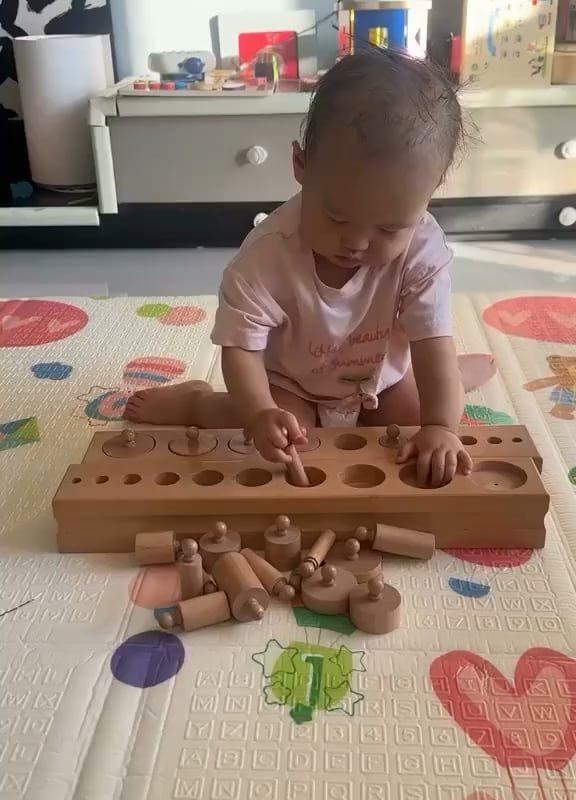
A toddler solving a puzzle by themselves
Meta Title: Why Watching a Toddler Solve a Puzzle By Themselves is Magical & Developmental
Meta Description: Discover the cognitive, motor, and emotional benefits when a toddler solves a puzzle independently. Tips to nurture problem-solving skills!
The Joy of Independence: How Solving Puzzles Boosts Toddler Development
Few moments warm a parent’s heart as much as witnessing their toddler solve a puzzle all by themselves. The intense focus, the triumphant grin, and the wobbly victory dance afterward — these milestones aren’t just adorable; they’re critical for early childhood development. Independent puzzle-solving builds far more than picture-matching skills—it shapes resilient, confident little learners ready to take on bigger challenges.
Why Independent Puzzle Play Matters
When toddlers tackle puzzles solo, they activate key cognitive and motor skills. Unlike guided play, independent problem-solving forces them to rely on their own observation, memory, and logic, fostering:
- Cognitive Development: Connecting pieces strengthens spatial awareness, pattern recognition, and cause-effect understanding (“This curved edge fits only here!”).
- Fine Motor Skills: Grasping, rotating, and placing pieces refines hand-eye coordination and dexterity—foundational for writing and self-care tasks.
- Problem-Solving Resilience: Struggling—then succeeding—without immediate help teaches persistence and self-reliance.
- Emotional Confidence: That “I did it!” moment builds self-esteem and motivates them to try harder tasks.
The Science Behind Solo Puzzle Success
Studies show that toddlers who engage in self-directed play—like assembling simple puzzles—develop stronger executive functioning skills, including working memory and impulse control. By experimenting with trial and error, they learn to process failure constructively and adjust strategies.
Problem-Solving in Action: A Toddler’s Process
- Exploration: Examining shapes, colors, and textures (“This piece is bumpy!”).
- Hypothesis Testing: Trying a piece in multiple spots, rejecting mismatches.
- “Aha!” Moment: Discovering the correct fit through visual/tactile clues.
- Review: Scanning the puzzle to identify remaining gaps.
5 Ways to Encourage Independent Puzzle Mastery
- Choose Age-Appropriate Puzzles
- Start with chunky wooden puzzles (2–4 large pieces) for easy grip. Progress to 6–12 piece jigsaws by age 3.
- Create a Distraction-Free Zone
- Minimize noise and visual clutter to help your toddler focus.
- Resist the Urge to “Rescue”
- Wait 30+ seconds before offering hints. Let frustration motivate discovery!
- Praise Effort, Not Perfection
- Say, “You worked so hard!” instead of “You’re so smart!” to build growth mindset.
- Rotate Puzzles Regularly
- Introduce themed puzzles (animals, vehicles) to sustain interest and challenge.
Pro Tip: Place partially completed puzzles on a low shelf for your toddler to revisit—repetition reinforces mastery.
What If Your Toddler Gets Frustrated?
A little struggle is healthy, but overwhelming frustration can backfire. If your child grows upset:
- Acknowledge feelings: “It’s tricky, but you’re trying hard!”
- Offer gentle prompts: Point to a matching color or outline.
- Break it down: Remove extra pieces, leaving only 2–3 to place.
Beyond the Puzzle: Lifelong Skills in Progress
Independent puzzle-solving translates to real-world competencies toddlers will use for life:
- Critical Thinking: Analyzing shapes and spaces builds logical reasoning.
- Patience & Focus: Completing a task start-to-finish feeds attention span.
- Sensory Learning: Textured puzzles engage touch, sight, and spatial senses.
- Social-Emotional Growth: Pride in solo achievement nurtures autonomy.
Frequently Asked Questions
Q: At what age can toddlers solve puzzles alone?
A: Most start with peg puzzles at 18–24 months. By 30–36 months, many solve 8–12 piece jigsaws independently.
Q: Should I correct my toddler if they force a wrong piece?
A: Avoid interrupting unless they’re frustrated. Mistakes teach problem-solving—they’ll self-correct through experimentation.
Q: Are puzzles better than screen time for development?
A: Yes! Hands-on puzzles boost creativity, motor skills, and persistence in ways screens can’t replicate.
Celebrate the Small Wins
Next time you see your toddler quietly fitting a puzzle piece, pause and observe. Behind those chubby fingers and furrowed brows is a brain wiring itself for future success in math, reading, and emotional resilience. By nurturing independent play, you’re gifting them the courage to think, “I can figure this out”—one puzzle at a time.
Final Takeaway: Less intervention = More growth. Provide tools, step back, and let your toddler amaze you.
Image Suggestion: Include a photo of a determined toddler placing a wooden puzzle piece, sunlight highlighting their tiny hands. Alt Text: Toddler independently solving a colorful shape puzzle.
Boost your child’s learning journey with Montessori-inspired toys designed for self-discovery!