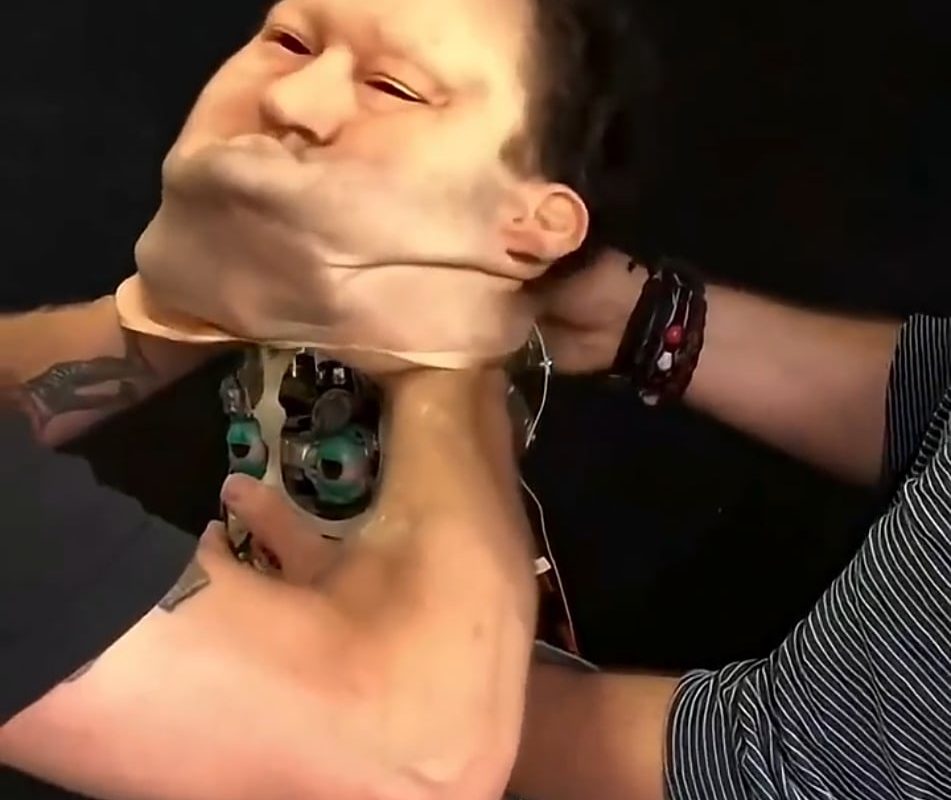
Fitting a sillicone face on a Humanoid Robot
Title: The Art & Engineering Behind Fitting a Silicone Face on a Humanoid Robot
Meta Description: Discover the cutting-edge techniques, challenges, and innovations involved in fitting a silicone face onto a humanoid robot for lifelike realism.
Introduction: The Quest for Humanlike Expression in Robotics
Humanoid robots represent the pinnacle of blending artificial intelligence with human-like physicality. Among the most compelling—and technically complex—aspects of their design is the integration of a silicone face, a feature that bridges the uncanny valley and fosters genuine human-robot interaction. But how exactly do engineers and designers attach these ultra-realistic silicone skins to robotic frameworks? In this guide, we’ll explore the science, challenges, and breakthroughs in fitting silicone faces onto humanoid robots.
Why Silicone? The Material Science Behind Robotic Faces
Silicone rubber has become the material of choice for robotics prosthetics due to its:
- Realistic Texture: Mimics human skin elasticity and softness.
- Durability: Resists tears, temperature fluctuations, and repetitive motions.
- Customizability: Can be molded into intricate facial features (cheeks, lips, wrinkles).
- Biocompatibility: Safe for close human interaction (e.g., healthcare or hospitality roles).
Step-by-Step: How Silicone Faces Are Fitted to Humanoid Robots
1. Digital Modeling & Fabrication
Engineers begin by 3D-scanning a human face or designing a custom visage using CAD software. The model is then 3D-printed into a mold, which is filled with liquid silicone. Advanced techniques like multi-material printing allow for layered textures, embedding veins or pores for hyper-realism.
2. Underlying Robotic Skeleton
The silicone skin attaches to a robotic endoskeleton, typically made of lightweight alloys or plastics. This skeleton houses actuators (tiny motors) that mimic facial muscles, enabling smiles, frowns, or eyebrow raises. Precision alignment is critical—any misplacement creates unnatural expressions.
3. Attachment Methods
- Adhesives: Medical-grade silicone adhesives offer secure, flexible bonding but require precise application to avoid bubbling.
- Mechanical Fasteners: Micro-screws or magnetic clasps enable easy removal for repairs or upgrades.
- Stretchable Substrates: Silicone skins are sometimes laminated onto elastic mesh layers that expand/contract with robotic movements.
4. Shaping & Blending Seams
Humanoid robots use heating elements to soften silicone at joints (e.g., jawline) for seamless motion. Artists then manually blend edges using silicone solvents or pigments to hide seams where the face meets the neck or scalp.
5. Integrating Sensors & Electronics
To avoid a “static” appearance, engineers embed sensors within the silicone layer:
- Micro-cameras behind the eyes for gaze tracking.
- Pressure sensors to detect touch.
- Thermal modules to simulate human body heat.
Challenges in Fitting Silicone Robotic Faces
Even with cutting-edge tech, hurdles remain:
- Movement Compatibility: Silicone must flex without tearing during rapid facial animations.
- Durability: Daily use can cause discoloration or wear; self-healing silicone is an emerging solution.
- Energy Efficiency: Heavy facial actuators drain battery life—innovations like pneumatic systems are being tested.
- Cultural Nuances: Artists must design ethnically diverse faces to avoid bias in human-robot interaction.
Real-World Applications: Where Silicone-Faced Robots Shine
- Healthcare: Companion robots for the elderly express empathy through facial cues.
- Retail & Hospitality: Hotel concierge bots greet guests with warm, inviting expressions.
- Entertainment: Disney’s IA-10 robot uses silicone skin for movie-perfect animatronics.
The Future of Silicone Robotics Skins
Expect advances like:
- Self-Healing Polymers: Silicone that repairs minor scratches or cuts autonomously.
- AI-Driven Expressions: ML algorithms adapt facial reactions in real-time based on human emotional cues.
- Eco-Silicones: Biodegradable alternatives reduce environmental impact.
Conclusion: Blurring the Line Between Human and Machine
Fitting a silicone face onto a humanoid robot is a fusion of engineering precision and artistic vision. As materials and AI evolve, these robots will become indistinguishable from humans in appearance and interaction—revolutionizing fields from therapy to space exploration. The next time you smile at a robot, it might just smile back, thanks to the silent marvel of silicone skin.
Keywords for SEO:
- Silicone face humanoid robot
- Robotic facial prosthetics
- Humanoid robot design
- Lifelike robot skin
- Robotics material science
- Facial actuators in robots
Call to Action:
Curious about the latest in robotics? Subscribe to our newsletter for updates on AI and humanoid innovations!
By focusing on technical insights, solutions, and real-world applications, this SEO article targets robotics engineers, tech enthusiasts, and innovators while ranking for high-intent search queries.