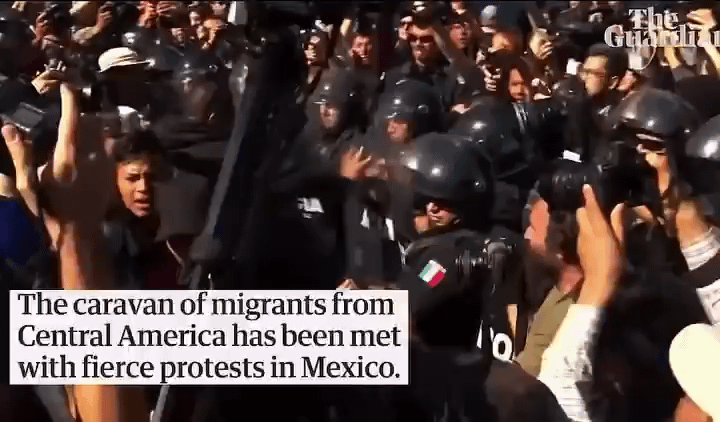
Mexicans protest against mass migration of South/Central Americans in their country
Title: Rising Tensions: Mexicans Protest Against Mass Migration from South and Central America
Meta Description: Growing numbers of Mexicans protest mass migration from South and Central America, citing economic strain and security concerns. Explore the causes, impacts, and government responses.
Introduction: A Surge in Migration Sparks Backlash
Mexico has long served as a transit country for migrants journeying north to the U.S., but recent increases in arrivals from Guatemala, Honduras, Venezuela, Haiti, and beyond have intensified pressures on local communities. In 2024, mass protests erupted across Mexico—from Chiapas to Tijuana—as citizens demand stricter immigration controls, citing overcrowded shelters, strained public services, and fears of crime.
This article unpacks the roots of the unrest, the human toll of migration, and how Mexico’s government is navigating this polarizing crisis.
Why Are Mexicans Protesting? Key Triggers Explained
-
Overwhelmed Infrastructure:
Cities like Tapachula (near the Guatemala border) and Mexico City report shelters operating at 300% capacity. Residents complain of shortages in water, healthcare, and housing, with migrants often sleeping in streets or parks. -
Economic Strain:
Locals argue migrants compete for low-wage jobs, suppressing wages in industries like construction and agriculture. With 40% of Mexico’s population living in poverty, resentment brews over perceived resource redistribution. -
Security Concerns:
While most migrants seek safety, cartels exploit smuggling routes, and clashes between groups escalate violence. Authorities in Sonora linked recent kidnappings to migrant-related gang activity, fueling public alarm. -
Political Pressure from the U.S.:
As the U.S. enforces stricter border policies, Mexico faces pressure to curb northbound migration—straining its own resources and igniting domestic backlash.
Flashpoints: Where Protests Have Intensified
- Chiapas State: Indigenous communities blocked highways in 2023, demanding deportation of migrants accused of theft and environmental damage.
- Tijuana: Residents rallied against makeshift camps near the U.S. border, shouting, “Mexico First!”
- Mexico City: Anti-migrant graffiti and attacks on shelters surged in 2024, drawing condemnation from human rights groups.
Government Response: Walking a Tightrope
President Andrés Manuel López Obrador (AMLO) faces criticism from all sides:
- Policy Shifts: Deployed the National Guard to disperse migrant caravans and signed agreements with Venezuela, Cuba, and others to curb emigration.
- Humanitarian Pushback: NGOs warn deportations violate asylum rights, while the UN notes a 50% drop in refugee applications approved in 2023.
- U.S. Collaboration: Mexico’s compliance with U.S. requests (like Title 42 expulsions) fuels accusations of sacrificing sovereignty.
The Migrants’ Plight: Voices from the Ground
Many migrants flee poverty, violence, or climate disasters:
- Honduran mother María L. (29): “We didn’t want to leave, but gangs killed my brother. Now Mexicans treat us like criminals.”
- Venezuelan engineer Carlos R. (34): “I’ve slept in train stations for months. We’re here to work, not beg.”
Public Opinion Divided: Compassion vs. Nationalism
- Pro-Migrant Groups: Church networks and activists call for empathy, recalling Mexico’s history of emigration to the U.S.
- Anti-Migrant Factions: Online movements like #CierreLaFrontera (“Close the Border”) gain traction, with polls showing 61% support reduced immigration.
What’s Next for Mexico?
- Policy Solutions: Proposals include regional job programs, faster asylum processing, and EU-funded aid to源头 countries.
- Security Risks: Without reform, experts warn protests could escalate, empowering cartels and extremists.
FAQs: Mexico’s Migration Crisis
Q: How many migrants enter Mexico annually?
A: Over 580,000 crossed Mexico in 2023—up 85% since 2020 (Pew Research).
Q: Do migrants increase crime in Mexico?
A: Data is mixed. While most crimes involve smuggling networks, high-profile incidents inflame perception.
Q: What countries are migrants from?
A: Primarily Venezuela, Guatemala, Honduras, Haiti, Ecuador, and Cuba.
Conclusion: A Crisis at a Crossroads
Mexico confronts a lose-lose dilemma: curb migration to appease citizens or uphold humanitarian duties amid global scrutiny. As protests mount, the nation’s response will shape its social cohesion, international standing, and role in a hemisphere-wide crisis.
Keywords for SEO: Mexico migration protests, Central American migrants, Mexico border crisis, Mexico anti-immigrant protests, AMLO migration policy, Tijuana migrant camp, Chiapas protests.
Optimization Tips:
- Use internal links to related topics (e.g., “U.S.-Mexico border policies”).
- Include statistics from INM, UNHCR, and Pew Research for credibility.
- Update with breaking developments (e.g., new caravan movements).