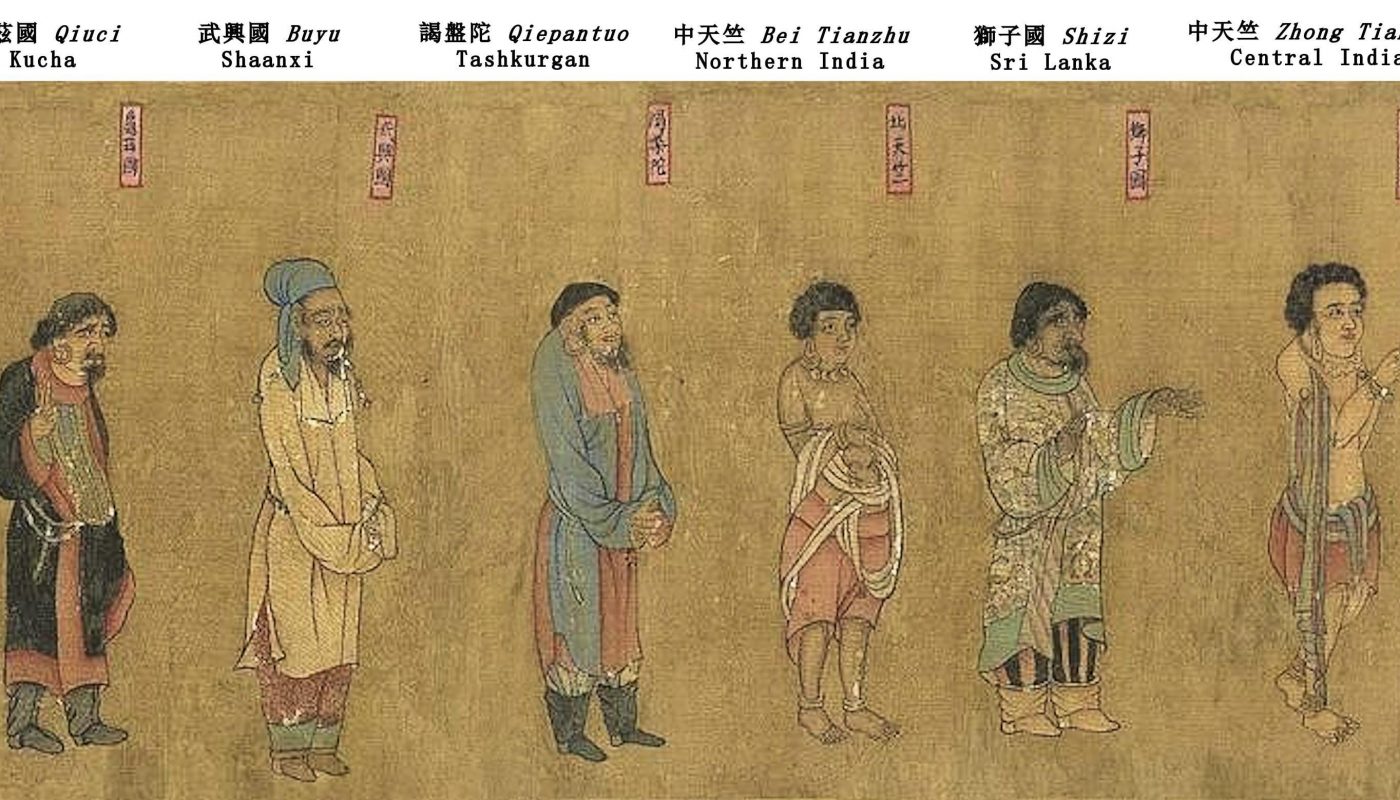
6th century envoys to Tang China.
Title: Pathways of Power: 6th Century Envoys to Tang China and the Dawn of Silk Road Diplomacy
(Note: While the Tang Dynasty (618–907) formally began in the 7th century, the foundations of its diplomatic culture were laid in the 6th century under the Sui Dynasty and earlier states. This article explores the pre-Tang roots of envoy missions to China.)
Introduction
The 6th century was a transformative era for East Asia, marked by political upheaval, cultural flourishing, and the deepening of transcontinental trade. Though the Tang Dynasty’s golden age lay ahead, its legacy of cosmopolitan diplomacy began emerging in the 500s CE. This article unveils the overlooked history of foreign envoys traveling to China during this turbulent century, when states like the Northern Zhou, Northern Qi, and Sui Dynasty laid groundwork for Tang China’s future superpower status.
1. The World in the 6th Century: A Network of Ambassadors
In the 6th century, China was fragmented into competing states (Northern and Southern Dynasties), yet envoys from across Asia still sought alliances, trade, and cultural exchange:
- Nomadic Powers: Turkic Khaganates sent envoys to negotiate borders and trade.
- Southeast Asia: Champa (Vietnam) and Funan delegations arrived with tribute gifts of ivory and spices.
- Persia & Byzantium: Sassanian envoys traveled via the Silk Road, while Byzantine (Eastern Roman) records hint at indirect contact.
- Korea & Japan: Korean kingdoms (Goguryeo, Baekje, Silla) and early Japanese envoys engaged with Sui China.
Keywords: Silk Road diplomacy, ancient embassies, Sui Dynasty foreign relations
2. Diplomacy Under the Sui: Prelude to Tang Glory
The Sui Dynasty (581–618), which reunified China, became a magnet for envoys. Emperor Wendi and Yangdi actively courted foreign delegates to legitimize their rule:
- Imperial Reception: Envoys were hosted in Chang’an (later the Tang capital), where grand ceremonies displayed China’s wealth.
- Buddhist Connections: Central Asian monks and scholars accompanied diplomatic missions, accelerating Buddhism’s spread in China.
- Geopolitical Chess: Sui used envoys to counterbalance Turkic threats, even orchestrating marriages with Turkic elites.
Example: Korean envoys from Goguryeo faced Sui’s wrath after refusing to submit, triggering Emperor Yangdi’s disastrous invasions (598–614).
3. Cultural Exchange Through Envoys
Envoys acted as vectors for ideas and goods long before the Tang’s cosmopolitan peak:
- Technology Transfer: Central Asian envoys brought glassmaking and metallurgy techniques.
- Luxury Goods: Tribute gifts included Persian silverware, Indian gems, and Southeast Asian aromatics.
- Language & Records: Many envoys spoke multiple languages, and accounts like Liangshu documented foreign cultures.
4. The Silk Road: Highway of Diplomacy
Though not yet at its zenith, the Silk Road facilitated envoy travel:
- Northern Route: Favored by Turkic and Sogdian merchants-envoys crossing the Tarim Basin.
- Maritime Routes: Southeast Asian ships reached southern Chinese ports like Guangzhou.
Impact: These networks underpinned Tang China’s later “tribute system” dominance.
5. Legacy: From Sui Foundations to Tang Triumph
The 6th-century envoy system shaped Tang China’s diplomatic ethos:
- Tribute System: Sui’s rituals evolved into the Tang’s formalized hierarchy of foreign relations.
- Cultural Confidence: Early exchanges normalized foreign presence in China, paving the way for Tang’s multicultural capital.
- Failures as Lessons: Sui’s overextension in Korea and Central Asia taught the Tang to balance diplomacy with military pragmatism.
Conclusion
The 6th century was the quiet overture to Tang China’s diplomatic symphony. Envoys of this era—whether fleeing war, chasing profit, or bearing sacred texts—knitted together Eurasia’s fractured realms. Their journeys planted seeds for the Tang’s golden age, proving that even in chaos, the thirst for connection drives history forward.
SEO Keywords: 6th century China diplomacy, Sui Dynasty envoys, Silk Road history, ancient Chinese foreign relations, Tang Dynasty precursor, tribute system origins, medieval embassies, Eurasian cultural exchange.
Meta Description: Uncover how 6th-century envoys to Sui China set the stage for the Tang Dynasty’s golden age of diplomacy, trade, and cross-cultural exchange along the Silk Road. Explore forgotten histories of power, tribute, and connection.