Incredible Underwater View of Tens of Thousands of Mobula Rays Migrating in the Coastal Waters of Baja California Sur
Meta Description: Discover the breathtaking underwater spectacle of tens of thousands of mobula rays migrating through Baja California Sur. Learn when, where, and how to witness this natural wonder responsibly!
INCREDIBLE UNDERWATER VIEW OF TENS OF THOUSANDS OF MOBULA RAYS MIGRATING IN THE COASTAL WATERS OF BAJA CALIFORNIA SUR
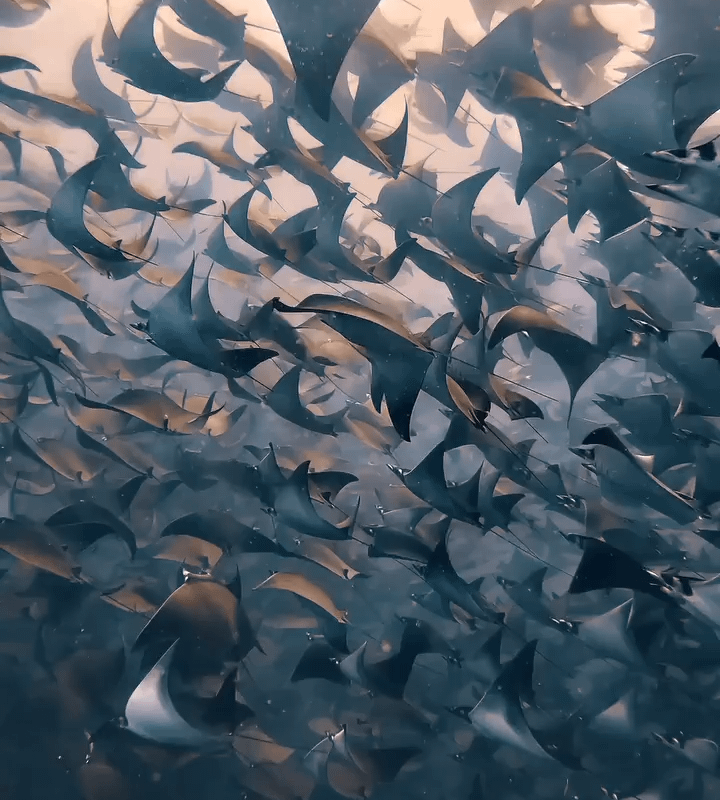
Imagine diving into the crystalline waters of Mexico’s Baja California Peninsula and finding yourself surrounded by a living river of winged creatures—tens of thousands of mobula rays gliding in unison, their silver bodies shimmering as they pulse through the ocean like a synchronized dance. This surreal phenomenon occurs annually in the coastal waters of Baja California Sur, where massive schools of mobula rays embark on one of the planet’s most awe-inspiring marine migrations.
Why Do Mobula Rays Gather in Such Massive Numbers?
Mobula rays, often called “flying rays” for their gravity-defying leaps above the water’s surface, migrate through Baja’s nutrient-rich waters each spring and early summer (April–June). The reasons for this gathering are twofold:
- Mating & Feeding: The warm currents attract plankton blooms, a key food source, while the shallow bays create ideal mating grounds.
- Safety in Numbers: Traveling in schools of up to 50,000 rays helps protect them from predators like sharks and orcas.
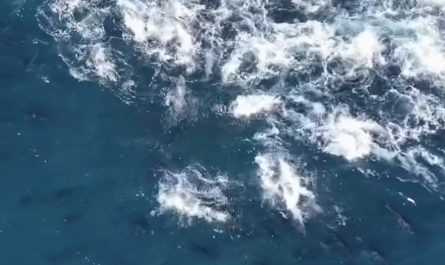
Scientists describe the event as a “fish tornado,” with rays spiraling upward to feed before vanishing into the blue. This behavior, combined with their acrobatic breaches, creates a visual spectacle unlike any other.
Where to Witness the Migration
The rays congregate in key hotspots along Baja’s eastern coast, including:
- Cabo Pulmo National Park: A UNESCO-protected marine reserve teeming with biodiversity.
- La Paz Bay: Calm, shallow waters near Espiritu Santo Island offer snorkelers front-row access.
- Los Cabos: Tour operators run specialized trips to witness rays just offshore.
The best time to visit is April to June, when water temperatures rise and visibility peaks. Early mornings often provide the clearest views as rays glide near the surface.
How to Experience the Spectacle Responsibly
This migration is fragile, and sustainable tourism ensures it thrives:
- Choose Eco-Certified Tours: Operators like Baja Adventure Company and Cabo Trek prioritize low-impact practices.
- Keep Your Distance: Avoid touching rays; use wide-angle lenses for photography.
- Support Conservation: Parks like Cabo Pulmo rely on visitor fees to fund protection efforts.
Snorkeling or freediving (rather than scuba) minimizes disturbance, allowing you to drift silently among the rays’ graceful formations.
Beyond the Rays: Baja’s Underwater Wonderland
While the mobula migration is a crown jewel, Baja California Sur’s waters are a year-round marine safari:
- Whale Sharks (October–April) glide through La Paz Bay.
- Humpback Whales (December–April) breach near Loreto.
- Sea Lions & Whale Sharks populate Espiritu Santo Island.
Planning Your Trip
- When to Go: April–June for mobulas; combine with winter months for whale watching.
- Gear to Bring: Underwater camera, reef-safe sunscreen, and a wetsuit (water temps average 75–80°F).
- Pro Tip: Book tours months ahead—peak season sells out fast!
Final Thoughts
The mobula ray migration of Baja California Sur is a humbling reminder of nature’s grandeur—a fleeting, wild ballet that leaves observers spellbound. As climate change and overfishing threaten marine ecosystems, responsible tourism plays a vital role in safeguarding this phenomenon. Whether you’re a diver, snorkeler, or simply a lover of wild places, witnessing this spectacle is an unforgettable ode to the ocean’s mysteries.
Ready to dive in? Check permits, pack your sense of wonder, and prepare for one of Earth’s last great underwater shows. 🌊✨
(Image ideas: Overhead drone shot of ray “chains” near surface; snorkeler beside a spiraling school; mobula breaching at sunset.)