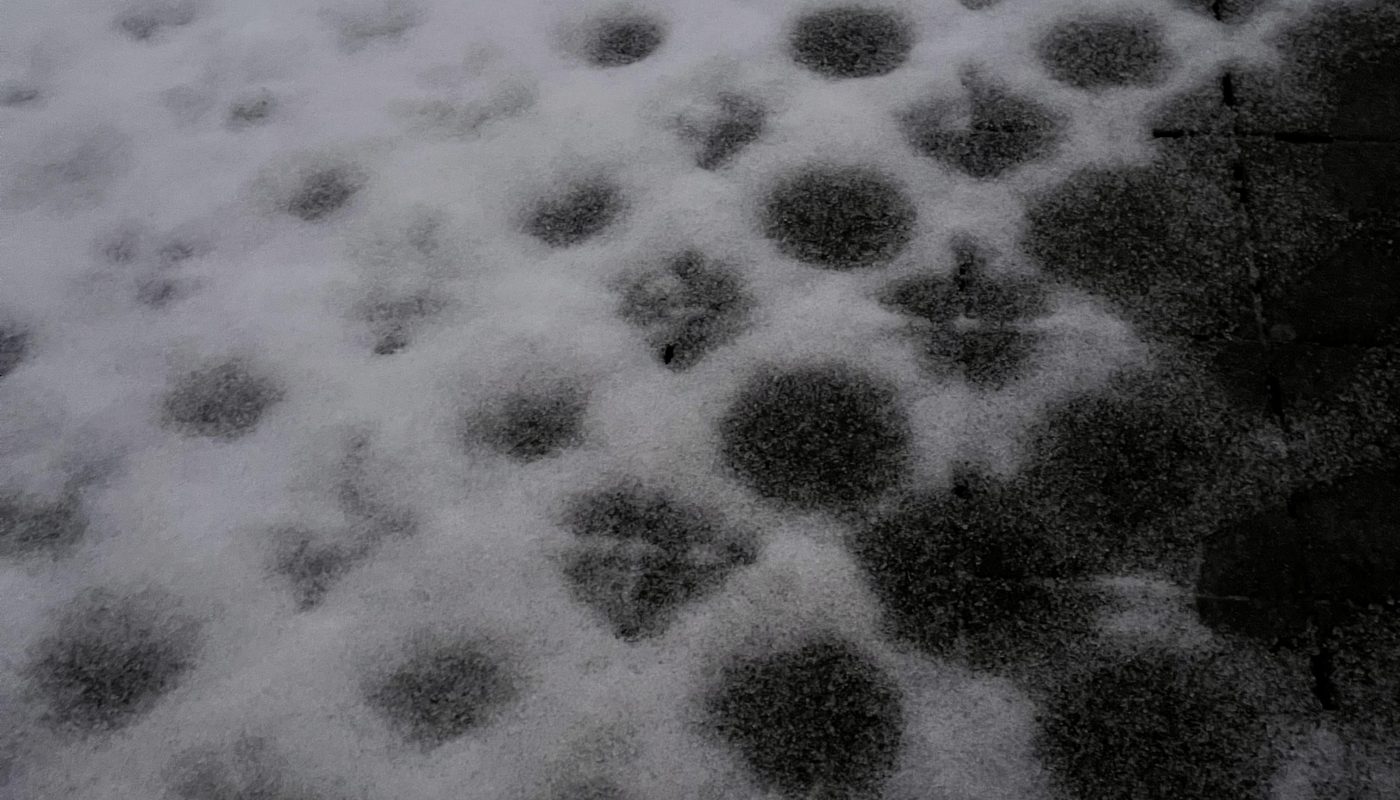
The pattern of melting snow
Meta Title: Understanding the Pattern of Melting Snow: Impacts, Factors, and Global Significance
Meta Description: Discover how melting snow patterns influence ecosystems, water resources, and climate dynamics. Learn about the science behind snowmelt and its environmental implications.
The Pattern of Melting Snow: Nature’s Delicate Balance and Its Global Impact
From alpine glaciers to winter-covered plains, the melting of snow signals a seasonal transition and plays a critical role in Earth’s environmental systems. The pattern of melting snow—how, when, and where it occurs—shapes water availability, ecological health, and even human infrastructure. In this article, we explore the science behind snowmelt patterns, their drivers, and the far-reaching consequences of changing melt cycles in a warming world.
What Governs Snowmelt Patterns?
Snowmelt doesn’t follow a uniform schedule; it responds to a complex interplay of physical and environmental factors:
1. Temperature and Solar Radiation
Temperature is the primary catalyst for snowmelt. As air temperatures rise above freezing (0°C or 32°F), heat transfers to the snowpack, triggering phase change. Solar radiation, especially during spring, accelerates melting by penetrating snow layers. South-facing slopes in the Northern Hemisphere, for instance, often melt faster due to greater sun exposure.
2. Albedo Effect
Fresh snow reflects up to 90% of sunlight (high albedo), but as it melts or becomes dirty, its reflectance drops. This creates a feedback loop: darker surfaces absorb more heat, speeding up melt rates. Dust, soot, or pollen on snow can dramatically alter melting patterns.
3. Snowpack Density and Depth
Light, fluffy snow melts slower than compacted or icy layers. Deep snowpacks act as insulating “blankets,” delaying ground thaw but releasing water gradually once melting begins.
4. Topography and Elevation
Mountainous regions experience elevation-dependent warming: lower elevations melt first, followed by higher zones. Steep slopes may see rapid runoff, while flat areas retain moisture longer.
5. Weather Events
Rain-on-snow events (ROS) are critical. Warm rainfall accelerates melting by delivering heat directly to the snowpack, often causing flash floods or rapid river surges.
The Phases of Snowmelt: A Seasonal Timeline
Snowmelt patterns follow predictable stages, though timing varies by region:
-
Pre-Melt Conditioning (Late Winter)
- Snowpack stabilizes, and solar angles increase.
- Ice layers may form within the snow, affecting permeability.
-
Onset of Melt (Early Spring)
- Daytime temperatures rise, creating surface melt that refreezes overnight (“diurnal freeze-thaw cycles”).
-
Peak Melt (Mid-Spring to Early Summer)
- Continuous melting releases large volumes of water.
- Rivers and groundwater systems recharge, supporting ecosystems and agriculture.
-
Residual Melt (Summer)
- In high-altitude or polar regions, melting may persist through summer, feeding glaciers and rivers.
Environmental Impacts of Changing Snowmelt Patterns
1. Water Resource Vulnerability
- Earlier Melt: Reduced summer water supply in regions like the western U.S., where snowpack acts as a natural reservoir.
- Flood Risks: Intense or premature melts overwhelm drainage systems, as seen in Europe’s 2021 floods.
2. Ecosystem Disruption
- Wildlife: Species like salmon rely on timed snowmelt for spawning. Mismatched cycles threaten food webs.
- Flora: Early melt prompts premature plant growth, risking frost damage and altering pollination cycles.
3. Climate Feedback Loops
- Accelerated melting lowers Earth’s albedo, contributing to global warming—a dangerous cycle.
4. Human Infrastructure Stress
- Cities dependent on snowmelt for water (e.g., Denver, Kabul) face shortages.
- Hydroelectric power generation declines with reduced meltwater flow.
Climate Change and the Acceleration of Snowmelt
Global warming is dramatically altering snowmelt patterns:
- Shorter Snow Seasons: The IPCC reports Northern Hemisphere snow cover has declined by 1.3% per decade since 1967.
- Elevation Shift: Snowlines are retreating upward, reducing storage capacity in mountains like the Alps and Andes.
- Rain Dominance: Warmer winters increase rainfall instead of snow, diminishing spring meltwater.
Monitoring and Mitigation Strategies
Scientists use advanced tools to track and predict melt patterns:
- Remote Sensing: Satellites (e.g., NASA’s MODIS) map snow cover extent and albedo changes.
- Ground Sensors: Measure snow depth, temperature, and water content in real time.
- Hydrological Models: Predict flooding risks and water availability for policymakers.
Adapting to the New Normal
- Sustainable Water Management: Invest in reservoirs, drip irrigation, and groundwater recharge.
- Reforestation: Planting trees in watersheds stabilizes snow and slows runoff.
- Carbon Reduction: Mitigating climate change remains the ultimate solution to abnormal melt cycles.
Conclusion
The pattern of melting snow is more than just a sign of spring—it’s a vital component of Earth’s hydrological and ecological balance. As climate change disrupts these patterns, understanding the science behind snowmelt becomes essential for preserving water security, biodiversity, and human livelihoods. By combining cutting-edge research with proactive policies, societies can adapt to the challenges of a faster-melting world.
Keywords for SEO:
Snowmelt patterns, climate change impact on snow, snow hydrology, factors affecting snow melting, seasonal snowmelt, rain-on-snow events, water resources management, global warming and snowpack, albedo effect, flood risk prediction.
Optimize your understanding of Earth’s cryosphere—share this article to spread awareness about the critical role of snowmelt!