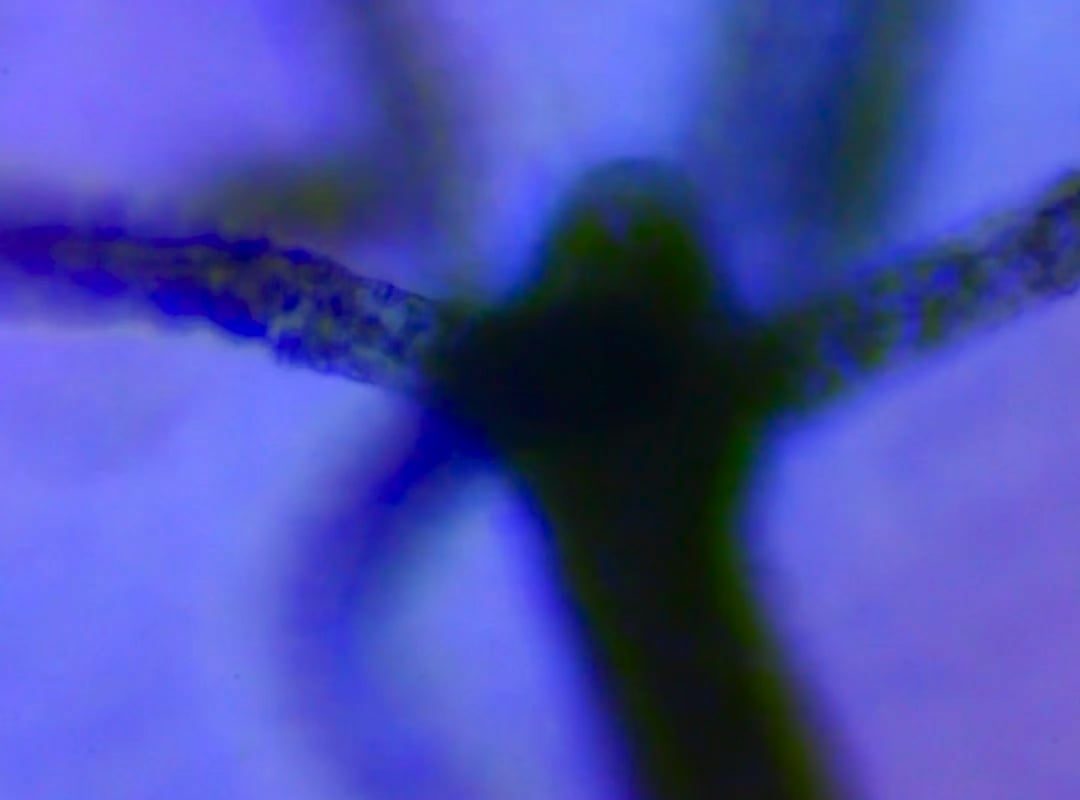
A Hydra from my fish tank
Title: A Hydra in My Fish Tank: What It Is and How to Safely Remove It
Meta Description: Discovered a mysterious, tentacled Hydra in your fish tank? Learn what it is, whether it’s harmful, and how to eliminate it safely with this complete guide.
Introduction
Finding an unexpected Hydra in your freshwater aquarium can be unsettling. These tiny, tentacled creatures look like miniature sea anemones and often appear suddenly, clinging to plants, glass, or decorations. While they’re fascinating biologically, Hydras can pose risks to small tank inhabitants like baby shrimp and fry. This guide explains what Hydras are, how they ended up in your tank, and actionable steps to remove them—without harming your ecosystem.
What Are Hydras?
Hydras (Hydra vulgaris) are small, predatory freshwater organisms belonging to the Cnidaria phylum—the same group as jellyfish and corals. Here’s what makes them unique:
- Appearance: They resemble 1–20 mm translucent stalks with sticky tentacles (up to 10).
- Behavior: Their tentacles sting prey (e.g., microscopic worms, daphnia, or baby fish) and attach to surfaces.
- Reproduction: Hydras multiply asexually through budding or regeneration, allowing rapid infestations.
Despite their alien look, they’re harmless to adult fish but thrive in nutrient-rich tanks with excess food.
How Did Hydras Get Into My Aquarium?
Hydras are expert hitchhikers. Common sources include:
- Live Plants/Decor: Eggs or polyps attached to newly added plants or ornaments.
- Contaminated Water: Transferring water, substrate, or filter media from infected tanks.
- Live Food: Daphnia, brine shrimp, or other live foods may carry Hydra larvae.
They often appear in low-flow tanks with abundant microorganisms, where they can feed undisturbed.
Are Hydras Dangerous to My Aquarium?
Hydras won’t harm larger fish, snails, or shrimp, but they can disrupt your tank’s balance:
- Threat to Fry & Shrimplets: Their stinging tentacles immobilize tiny creatures.
- Competition: They compete with fish for small prey like copepods.
- Aesthetic Nuisance: Large colonies make tanks look unclean.
While not a crisis, prompt removal is advised to protect vulnerable tankmates.
6 Effective Ways to Remove Hydra from Your Fish Tank
1. Manual Removal
- Use turkey basters or syringes to suck Hydras off surfaces.
- Vacuum the substrate to eliminate eggs or free-floating polyps.
2. Natural Predators
Introduce fish or invertebrates that eat Hydras:
- Gouramis, Mollies, or Paradise Fish
- Assassin Snails or Pond Snails (avoid if overpopulation is a concern).
Note: Avoid adding predators to shrimp tanks—opt for manual removal instead.
3. Hydrogen Peroxide Treatment
- Dose 1–3 mL of 3% hydrogen peroxide per gallon of water during water changes.
- Turn off filters temporarily and monitor fish for stress.
4. Chemical Treatments (Use Cautiously)
- Anti-parasitic medications like Fenbendazole (e.g., Panacur) effectively kill Hydras but may harm snails or shrimp.
- Always isolate sensitive species before treatment.
5. Ultraviolet (UV) Sterilizers
- UV light eliminates Hydra larvae and reduces microorganisms they feed on.
6. Starvation Tactics
- Reduce feeding for 3–5 days to limit prey (e.g., copepods), starving Hydras.
- Clean filters and substrate to lower organic debris.
Preventing Future Hydra Infestations
- Quarantine New Additions: Dip plants in bleach solution (5% bleach, 95% water, rinse thoroughly) and quarantine decor for 1–2 weeks.
- Rinse Live Food: Use a fine mesh to rinse daphnia or brine shrimp before feeding.
- Avoid Overfeeding: Excess food fuels microfauna, which Hydras eat.
- Regular Water Changes: Reduce nutrient buildup that supports Hydra proliferation.
Hydra FAQs
Q: Can Hydras regenerate?
Yes! Like their mythical namesake, they regrow damaged tentacles or body parts—even from fragments.
Q: Are Hydras a sign of poor water quality?
Not necessarily. They thrive in stable tanks with ample food, not dirty ones.
Q: Do Hydras sting humans?
No—their stinging cells (nematocysts) are too weak to penetrate human skin.
Q: What’s the difference between Hydra and Planaria?
Planaria are flatworms with arrow-shaped heads; Hydras have tentacles and stalk-like bodies.
Conclusion
Spotting a Hydra in your aquarium isn’t cause for panic. Though these resilient creatures can reproduce quickly, they’re easily managed with manual removal or targeted treatments. By addressing root causes—overfeeding, contaminated plants, or excess prey—you can prevent future outbreaks and maintain a harmonious tank.
Pro Tip: Share your Hydra sighting with fellow aquarists! Their appearance underscores your tank’s biodiversity—even if they’re temporary guests.
Target Keywords:
- Hydra in fish tank
- Remove Hydra aquarium
- Are Hydras dangerous
- Hydra freshwater pest
- Hydra vs Planaria
Boost your post’s SEO by linking to related topics like “beneficial aquarium microorganisms” or “safe tank sterilization methods.”