The art behind ancient paper making
The Ancient Art of Paper Making: A Journey Through History, Craft, and Cultural Legacy
Meta Description:
Discover the fascinating art behind ancient paper making—its origins in China, techniques spread across civilizations, and enduring legacy in art and culture. Learn how this craft shaped human history.
Title:
The Ancient Art of Paper Making: History, Techniques, and Cultural Legacy
Introduction
Long before digital devices and mass production, paper was humanity’s canvas for knowledge, art, and communication. The invention of paper revolutionized civilizations, but its creation was far from simple. Ancient paper making was a meticulous blend of artistry, science, and cultural tradition. In this deep dive, we explore the origins, techniques, and cultural significance of one of history’s most transformative crafts.
1. The Birth of Paper: China’s Revolutionary Invention
Paper was born in China around 105 CE during the Han Dynasty, credited to the scholar Cai Lun. However, evidence suggests early prototypes existed centuries earlier. Unlike bamboo slips or silk, paper was lightweight, affordable, and ideal for recording texts.
Key Materials & Process:
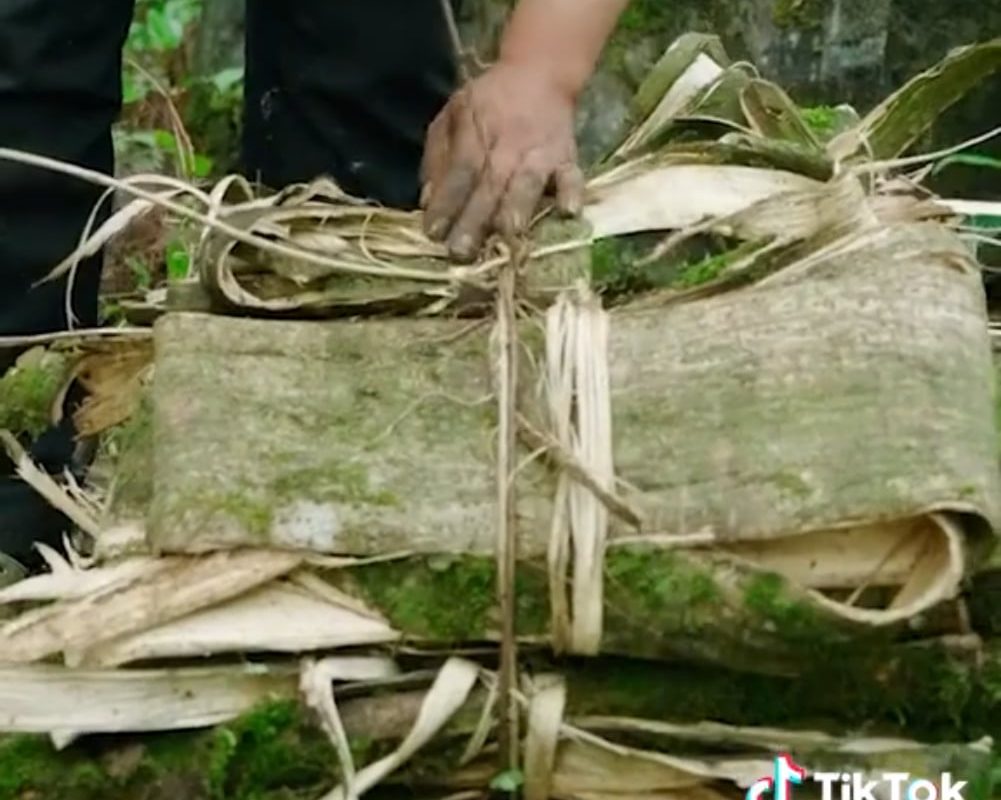
- Raw Materials: Early artisans used hemp fibers, tree bark, rags, and fishing nets.
- Pulp Creation: Fibers were soaked, boiled, and pounded into pulp.
- Sheet Formation: Pulp was poured onto flat bamboo screens to drain and dry.
- Pressing & Sun-Drying: Sheets were pressed and dried under sunlight, creating durable paper.
Famous Varieties:
- Xuan Paper: Used for calligraphy and painting, revered for its absorbency and longevity.
- Mulberry Paper (Kozo): Made from mulberry bark, prized in Japan for its strength.
2. The Silk Road Spread: Paper Travels the World
Paper’s secrets traveled westward via the Silk Road, reaching the Islamic world by the 8th century. Muslim innovators refined the craft, introducing cotton-based paper and water-powered mills, which fueled advancements in science and literature.
Islamic Golden Age Contributions:
- Paper Mills in Baghdad: Streamlined production for manuscripts like the Quran.
- Linen & Cotton: Replaced hemp, creating smoother, whiter paper.
By the 12th century, paper reached Europe via Moorish Spain and Italy, replacing costly parchment and enabling the Renaissance.
3. Eastern Mastery: Japan and Korea’s Refined Techniques
In East Asia, paper evolved into an art form:
- Japanese Washi: Handmade from kozo, mitsumata, or gampi fibers. Its elegance and durability made it essential for origami, screens, and traditional prints (ukiyo-e).
- Korean Hanji: Crafted from mulberry bark using an intricate web-weaving technique. Hanji paper lasts over 1,000 years and was used for books, lanterns, and even armor lining.
Spiritual Significance:
Paper-making rituals often honored nature, with artisans praying to trees and streams for blessings.
4. Ancient Techniques vs. Modern Paper
| Aspect | Ancient Paper Making | Modern Paper Production |
|---|---|---|
| Materials | Natural fibers (mulberry, hemp, cotton) | Wood pulp, recycled paper, chemicals |
| Labor | Entirely handmade, slow process (weeks) | Machine-driven, mass-produced |
| Environmental Impact | Biodegradable, low waste | High water/energy use, pollution |
Why Handmade Paper Endures:
Artisans today continue ancient techniques to create archival-grade paper for restoration and luxury art projects.
5. Cultural Legacy: Beyond Writing
Ancient paper wasn’t just for writing—it shaped art, religion, and daily life:
- Chinese Paper-Cutting: Intricate designs for festivals and rituals.
- Japanese Shrines: Washi used in sacred Shinto decorations.
- Shadow Puppetry: Thai and Indonesian theaters relied on translucent paper.
6. Rediscovering Ancient Paper in the Modern Age
Today, craft revivals and sustainability movements celebrate handmade paper for its eco-friendliness and beauty. UNESCO recognized Japanese washi as Intangible Cultural Heritage in 2014, highlighting its timeless value.
DIY Ancient Paper Making:
- Soak shredded cotton/plant fibers overnight.
- Blend into pulp and pour into a shallow tray with water.
- Use a mesh screen to lift and shape the sheet.
- Press and air-dry for rustic, textured paper.
Conclusion: A Testament to Human Ingenuity
Ancient paper making was more than a craft—it was a bridge between cultures, a preserver of stories, and a reflection of humanity’s creativity. As we embrace sustainable alternatives today, these time-honored techniques remind us that sometimes, the oldest solutions are the most enduring.
FAQ
Q: Did ancient Egypt invent paper?
A: No—Egypt used papyrus (from reeds), but true paper originated in China using pulped fibers.
Q: How long does handmade paper last?
A: Properly stored, it can endure centuries. Hanji paper is known to last over 1,000 years!
Q: Where can I see ancient paper-making today?
A: Visit traditional workshops in Kyoto (Japan), Jeonju (Korea), or Anhui (China).
Explore Further:
- The Diamond Sutra (868 CE): The world’s oldest printed book on paper.
- Modern brands like G . F Smith reviving heritage paper for luxury design.
🌿 Embrace the Legacy: Support artisans keeping this ancient craft alive—one sheet at a time.