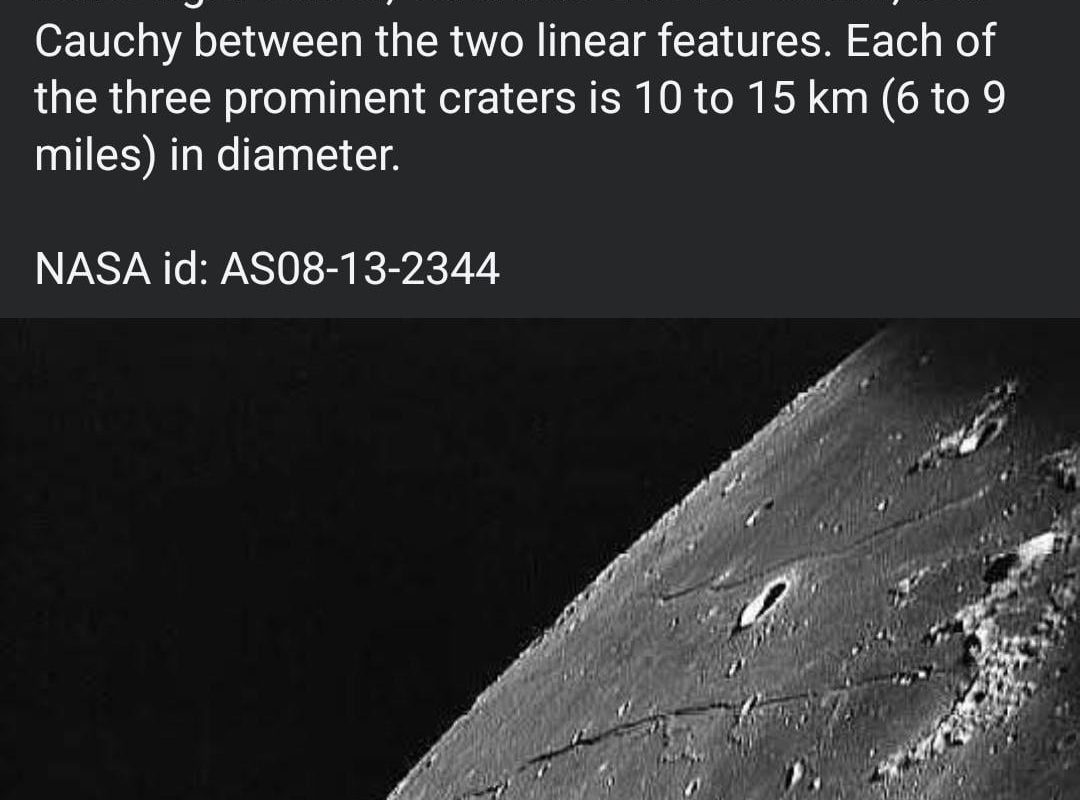
Still amazing how they able to did this in 1968…. On this date, Dec. 24, in 1968, Apollo 8 entered lunar orbit becoming the first spacecraft with humans aboard to do so.
Unforgettable Genius: Apollo 8’s Historic Lunar Orbit on Christmas Eve 1968
Meta Description: Discover how NASA’s Apollo 8 made history on December 24, 1968, as the first crewed mission to orbit the Moon—a daring feat of innovation, bravery, and hope.
The Night Humanity First Reached the Moon
On December 24, 1968, amidst a year of global turmoil—war, political unrest, and tragedy—three astronauts aboard Apollo 8 did the unthinkable: They became the first humans to orbit the Moon. This mission wasn’t just a milestone for NASA; it redefined humanity’s place in the cosmos.
What makes this achievement astonishing even today? In an era before smartphones, advanced computing, or reusable rockets, NASA’s team relied on slide rules, raw courage, and unparalleled ingenuity to pull off a mission that changed history.
Apollo 8: A Mission Born of Ambition and Urgency
By 1968, the U.S. was locked in a fierce Space Race against the Soviet Union. NASA had suffered a devastating setback in 1967 with the Apollo 1 fire, delaying lunar ambitions. But with intelligence suggesting the Soviets might soon send cosmonauts around the Moon, NASA accelerated plans for Apollo 8—originally an Earth-orbit test—into a daring lunar voyage.
The Plan
- Crew: Frank Borman (Commander), Jim Lovell (Command Module Pilot), and Bill Anders (Lunar Module Pilot).
- Rocket: The untested Saturn V, humanity’s most powerful launch vehicle.
- Goal: Orbit the Moon 10 times, study its surface, and return safely—all in just 6 days.
The 3-Day Journey to Another World
Apollo 8 launched on December 21, 1968. For the first time, humans escaped Earth’s gravity entirely, traveling 240,000 miles into the void.
Key Challenges Overcome:
- Navigation: Without modern GPS, astronauts used stars and a sextant to guide the spacecraft.
- Radiation Risks: The crew passed through the Van Allen belts with minimal shielding.
- Engine Burns: A critical 4-minute engine burn behind the Moon—where communication with Earth was impossible—was necessary to enter lunar orbit. A failure meant being stranded.
Then, on Christmas Eve, humanity held its breath.
“Houston, Apollo 8. Please be informed: There is a Santa Claus.”
At 4:59 AM EST, Apollo 8 slipped behind the Moon and fired its engines. When the spacecraft reemerged, Lovell’s voice crackled through Mission Control:
“Roger, please be informed there is a Santa Claus.”
They’d done it. For 20 hours, Borman, Lovell, and Anders orbited the Moon, capturing iconic photos and surveying future Apollo landing sites.
The Photo That Changed the World: Earthrise
During their fourth orbit, Anders spotted something unexpected: Earth, rising above the lunar horizon. He snapped Earthrise—a hauntingly beautiful image of our planet, isolated and fragile against the darkness of space. This photo ignited the environmental movement and reshaped human perspective. As Anders later reflected:
“We came all this way to explore the Moon, and the most important thing is that we discovered the Earth.”
A Christmas Eve Message to Humanity
Hours after entering orbit, the crew broadcast live to a billion viewers—the largest audience in history at the time. They shared breathtaking lunar vistas and closed by reading the first 10 verses of Genesis. Borman’s closing words resonated globally:
“From the crew of Apollo 8, we close with good night, good luck, and Merry Christmas—and God bless all of you, all of you on the good Earth.”
Legacy: The Spark That Lit the Path to the Moon Landing
Apollo 8 returned safely on December 27, 1968. Its success proved:
- The Saturn V rocket worked.
- Humans could survive deep space.
- Lunar orbit was possible—paving the way for Apollo 11’s Moon landing just 7 months later.
Today, the mission stands as a testament to audacity. In a decade defined by strife, Apollo 8 reminded the world of what humanity can achieve when science, courage, and curiosity unite.
Conclusion: Why Apollo 8 Still Amazes Us
In an age of innovation, Apollo 8’s 1968 journey remains a staggering triumph. With technology less powerful than a modern calculator, NASA reached another world—and gave humanity a new lens through which to see itself.
This Christmas Eve, as you gaze at the Moon, remember: 56 years ago, three humans orbited it for the first time—and forever expanded our horizons.
Keywords for SEO: Apollo 8 mission, lunar orbit 1968, NASA Moon mission, first humans to the Moon, Earthrise photo, Christmas Eve space broadcast, Frank Borman, Jim Lovell, Bill Anders, Saturn V rocket, space race history.