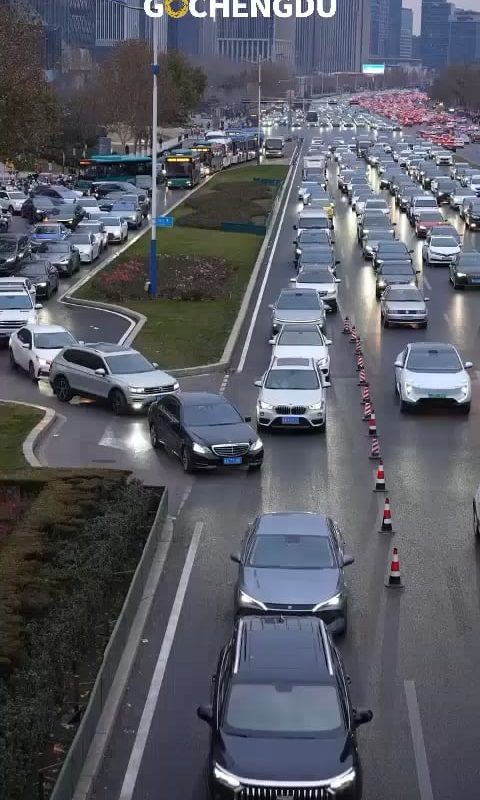
Here’s the original video since everyone thought it was AI. Peak hours in Jinan, China 🇨🇳—drivers pulled off textbook zipper merging, taking turns to change lanes in a smooth, orderly flow.
Zipper Merge at Normal Speed: The Traffic Hack You Need to Master
We’ve all been there: a congested highway narrowing from two lanes to one, with drivers jostling for position, braking suddenly, and turning the flow of traffic into a frustrating standstill. Enter the zipper merge at normal speed—a simple, scientifically proven technique that reduces congestion, cuts commute times, and minimizes accidents when done right. In this guide, we’ll break down why this method works, how to do it correctly, and why maintaining normal speed is key to its success.
What Is a Zipper Merge at Normal Speed?
The zipper merge (or “late merge”) is a traffic system where drivers use all available lanes until the merge point, then take turns merging into a single lane—like the teeth of a zipper interlocking. What sets the “at normal speed” approach apart is the emphasis on maintaining steady speed rather than slowing down prematurely.
Key principles:
- Drivers stay in their lane until the merge point.
- Vehicles alternate seamlessly—one from the closed lane, one from the open lane.
- No sudden braking. Traffic flows continuously at a steady pace.
When drivers merge early or slam their brakes “to be polite,” it creates bottlenecks. By contrast, a zipper merge executed at normal speed keeps traffic moving efficiently.
Why Zipper Merging at Normal Speed Works
Studies by transportation agencies like the U.S. Federal Highway Administration show that zipper merging:
- Reduces congestion by up to 40% by fully utilizing road capacity.
- Shortens backup lengths, keeping exit ramps and intersections clear.
- Cuts the risk of rear-end collisions by eliminating stop-and-go chaos.
The Role of Normal Speed
Slowing down too early creates a domino effect—everyone behind you brakes harder, amplifying traffic waves. By maintaining normal speed until the merge point (and matching the flow of adjacent lanes), you prevent:
- Artificial congestion: Traffic stacks up for no reason.
- Road rage: Impatient drivers cutting in or tailgating.
- Fuel waste: Constant braking/accelerating lowers fuel efficiency.
Moral of the story: Efficiency relies on collective discipline—no heroics, no hesitation.
How to Execute the Perfect Zipper Merge at Normal Speed
Follow these steps to keep traffic flowing:
- Stay in your lane until you reach the merge point.
- Maintain a safe speed—don’t race, but don’t crawl. Match the flow (~50–60 km/h or local speed limit).
- Merge one at a time at the designated point. Alternate with drivers in the open lane.
- Avoid blocking the closed lane. If you’re in the open lane, leave space for merging cars.
Common Mistakes to Avoid
- Merging too early: Empty lanes = wasted space and longer traffic jams.
- Refusing to let others in: Aggression defeats the purpose. Take turns!
- Stopping at the merge point: This forces others to brake abruptly. Keep moving.
Debunking Zipper Merge Myths
-
Myth: Merging early is polite.
Truth: Merging late at normal speed optimizes traffic flow. “Politeness” slows everyone down. -
Myth: The closed lane is for last-minute jerks.
Truth: It’s designed to be used until the merge point. Drivers who stay in it are following best practices. -
Myth: Zipper merging causes accidents.
Truth: Congestion and erratic braking cause crashes—zipper merging reduces both.
Why Cities Love the Zipper Merge
Progressive traffic departments increasingly promote zipper merging through:
- Road signage (“USE BOTH LANES TO MERGE POINT”)
- Public awareness campaigns (e.g., Minnesota’s “Stop Squidding—Merge Like a Zip”)
- Data-driven results: Cities using zipper merges report shorter delays and improved road safety.
The Takeaway: Slow Isn’t Always Steady
Adopting the zipper merge at normal speed isn’t just smart—it’s a civic duty. By resisting the urge to brake early or merge prematurely, you contribute to a smoother, safer commute for everyone. Share this guide with fellow drivers, and next time you see a “LANE CLOSED” sign, think zip, not stop!
Meta Description:
Discover why the zipper merge at normal speed reduces traffic by 40%. Learn how to merge correctly, avoid bottlenecks, and keep traffic flowing smoothly.
Target Keywords:
zipper merge, late merge, traffic efficiency, reduce congestion, merge at normal speed, how to zipper merge, traffic flow
Internal Linking Suggestions:
- “How Traffic Jams Form (and How to Fix Them)”
- “Road Rage Reduction: 5 Tips for Calmer Driving”
- “Smart City Traffic Solutions Changing Commute Times”
Drive smarter, merge better, and keep moving—your city (and fellow drivers) will thank you! 🚗💨