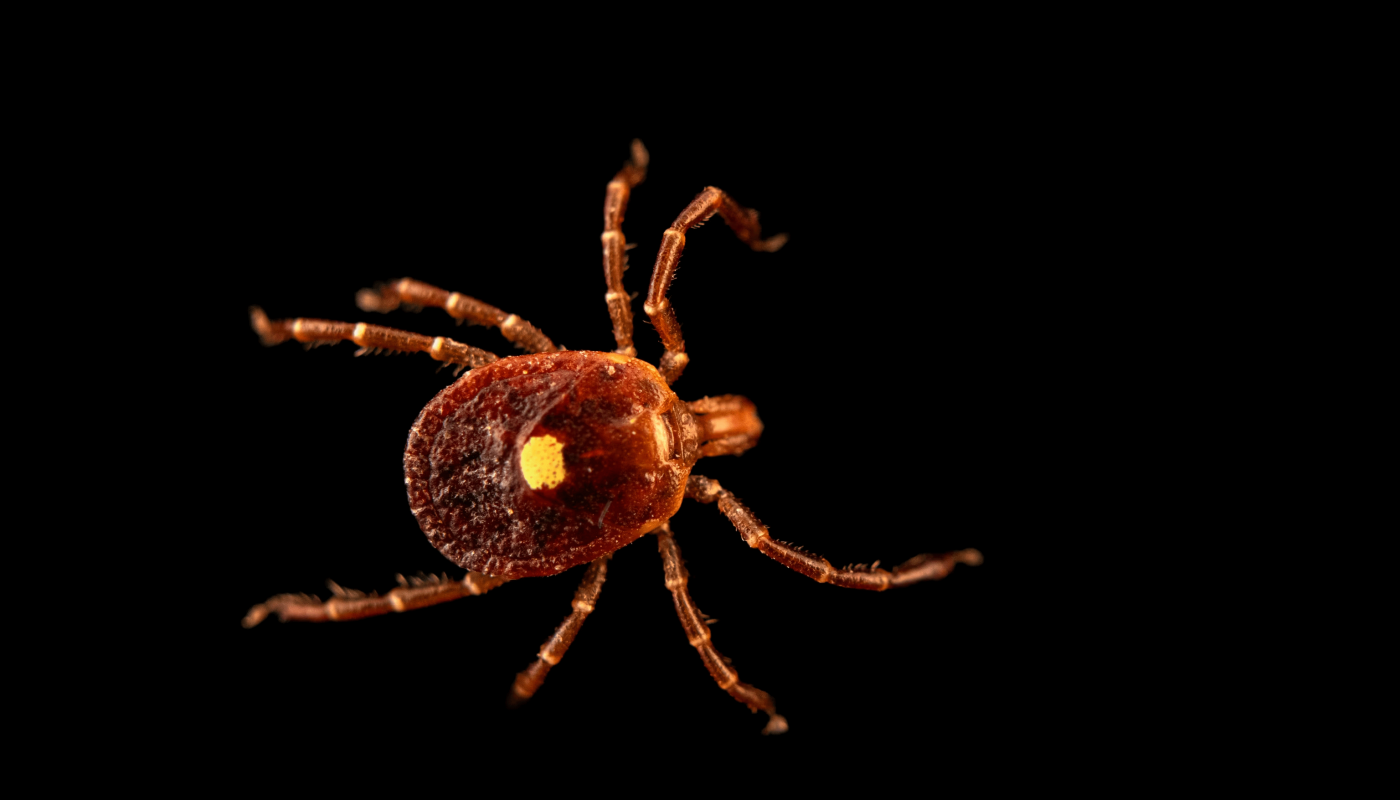
Lone Star tick bite can cause alpha-gal syndrome that makes you allergic to meat.
Title: Lone Star Tick Bite & Alpha-Gal Syndrome: How a Tick Can Make You Allergic to Meat
Meta Description: A bite from the Lone Star tick can trigger alpha-gal syndrome, a rare allergy to red meat and mammal products. Learn the symptoms, risks, and how to protect yourself.
Introduction
Imagine enjoying a juicy burger or steak only to break out in hives hours later. For thousands of people, this isn’t fiction—it’s a reality caused by alpha-gal syndrome (AGS), a life-changing allergy linked to the bite of a Lone Star tick. This emerging condition is reshaping how we view tick-borne illnesses, turning everyday foods like beef, pork, and dairy into potential triggers for severe allergic reactions. Here’s what you need to know.
What Is Alpha-Gal Syndrome?
Alpha-gal syndrome (AGS) is a delayed allergic reaction to galactose-alpha-1,3-galactose (“alpha-gal”), a sugar molecule found in most mammals (e.g., cows, pigs, lamb) but not in humans or fish. When someone with AGS consumes red meat, offal, or even dairy products, their immune system mistakes alpha-gal for a threat, releasing histamines that cause symptoms ranging from hives to anaphylaxis.
Crucially, reactions are often delayed by 2–6 hours after eating, making AGS harder to diagnose than typical food allergies.
The Lone Star Tick Connection
The Lone Star tick (Amblyomma americanum), common in the U.S. Southeast and Midwest, is the primary culprit behind AGS. When this aggressive tick bites a human, its saliva introduces alpha-gal into the bloodstream. For some people, this triggers an immune response that sensitizes them to alpha-gal—effectively “programming” their body to attack the sugar when consumed later via meat.
Key Facts:
- Not Just Lone Star Ticks: Other tick species (e.g., Australian paralysis tick, European castor bean tick) are also linked to AGS.
- Geographic Spread: Once limited to the South, Lone Star ticks are now found as far north as Maine due to climate change and wildlife migration.
- No Age Barrier: AGS can affect anyone, though adult bites are most common.
Symptoms of Alpha-Gal Syndrome
AGS reactions can vary wildly, from mild to life-threatening:
- Hives, itching, or skin rash
- Swelling of lips, face, or throat
- Nausea, stomach cramps, or diarrhea
- Difficulty breathing or wheezing
- Severe reactions like anaphylaxis (rare but possible)
Unlike typical allergies, AGS reactions often occur hours after eating, making them easy to misattribute to other causes.
Diagnosis and Treatment
If you suspect AGS after a tick bite or unexplained reactions, consult an allergist. Diagnosis involves:
- Blood Test: Checks for alpha-gal-specific IgE antibodies.
- Skin Prick Test: Uses small amounts of mammalian meat extracts.
- Food Diary: Tracking meals and symptoms helps identify triggers.
Treatment:
- Avoidance: Eliminate red meat and mammal-derived products (e.g., gelatin, dairy).
- Emergency Plan: Carry an epinephrine auto-injector (EpiPen) for severe reactions.
- Gradual Reintroduction: Some patients regain tolerance over years of strict avoidance.
How to Protect Yourself
Preventing Lone Star tick bites is the best defense:
- Wear Protective Clothing: Long sleeves, pants tucked into socks, and light colors (to spot ticks).
- Use EPA-Registered Insect Repellents: DEET, picaridin, or permethrin-treated gear.
- Perform Tick Checks: Shower within 2 hours of being outdoors, inspecting skin, hair, and pets.
- Landscape Smartly: Keep lawns mowed and create gravel/wood chip barriers between yards and wooded areas.
Living with Alpha-Gal Syndrome
While daunting, AGS is manageable with dietary adjustments:
- Safe Proteins: Poultry, fish, and plant-based alternatives (e.g., tofu, legumes).
- Read Labels: Avoid sneaky sources like gelatin (in candies, medications) and dairy derivatives.
- Support Networks: Join groups like the Alpha-Gal Information community for resources and recipes.
FAQs About Alpha-Gal Syndrome
Q: Can I eat chicken or fish with AGS?
A: Yes! Poultry and seafood don’t contain alpha-gal.
Q: Is AGS permanent?
A: For some, it fades over years; others must avoid mammal products indefinitely.
Q: Can just ONE tick bite cause AGS?
A: Yes—even a single bite can sensitize you.
Final Thoughts
Alpha-gal syndrome is a stark reminder that ticks aren’t just vectors for Lyme disease—they can alter your relationship with food. As Lone Star ticks expand their range, awareness is critical. If you’ve been bitten or experience mysterious allergic reactions, don’t wait: seek testing and take charge of your health.
Stay vigilant, stay informed, and savor your next (turkey) burger safely!
SEO Keywords: Lone Star tick bite, alpha-gal syndrome, meat allergy, red meat allergy, tick-borne illness, AGS allergy, alpha-gal allergy, Lone Star tick disease, Alpha-gal symptoms, allergic to meat after tick bite.