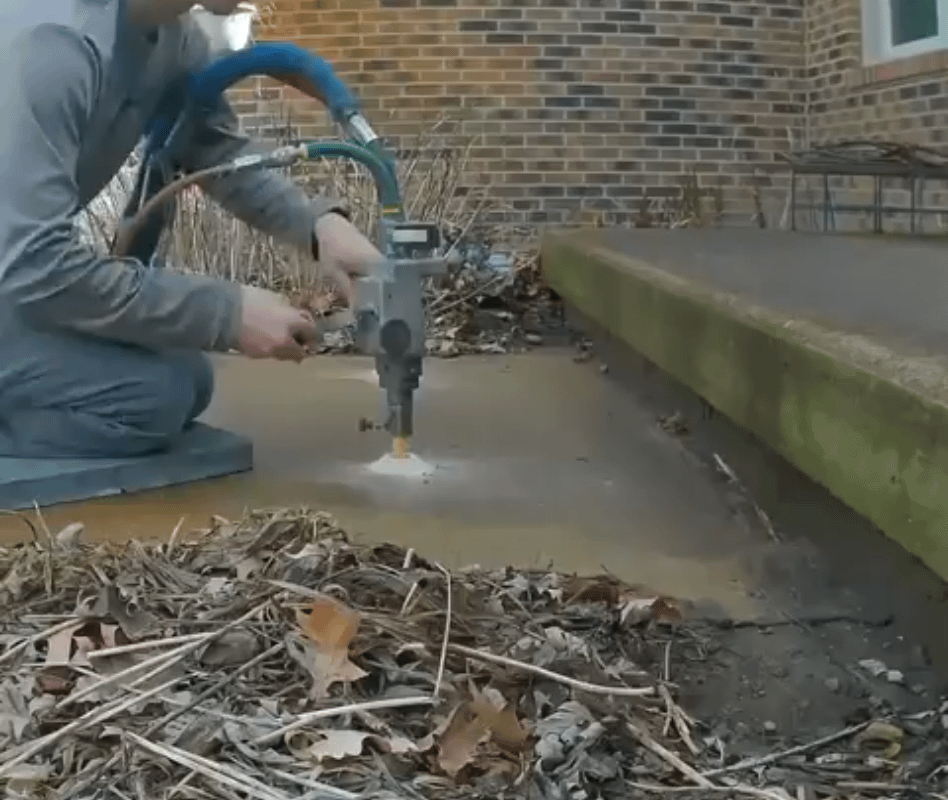
Leveling cement with polyurethane foam
Title: Leveling Cement with Polyurethane Foam: A Modern Solution for Uneven Concrete
Meta Description: Discover how polyurethane foam injection repairs uneven concrete surfaces quickly, affordably, and with minimal disruption. Learn the benefits, process, and applications of foam leveling versus traditional methods.
Introduction
Uneven concrete isn’t just an eyesore—it’s a tripping hazard and a sign of underlying structural issues. Traditional mudjacking has long been the go-to method for lifting sunken slabs, but polyurethane foam leveling has emerged as a faster, more efficient alternative. In this guide, we’ll explore how polyurethane foam works, its advantages, and why it’s revolutionizing concrete repair.
What is Polyurethane Foam Leveling?
Polyurethane foam leveling (also called polyjacking or foam jacking) involves injecting high-density expanding foam beneath sunken concrete slabs. The foam fills voids, stabilizes the soil, and lifts the slab back to its original position—often within minutes. Made from polymer materials, the foam cures rapidly, creating a durable, waterproof foundation resistant to erosion and shifting.
How Does Polyurethane Foam Work?
- Drilling Small Holes: Tiny, dime-sized holes (⅝” diameter) are drilled into the affected concrete slab.
- Injecting the Foam: A two-part liquid polyurethane mixture is pumped into the holes.
- Expansion & Lifting: The foam expands 20–30x its original volume, filling gaps and gently raising the slab.
- Curing: The foam hardens in 15–30 minutes, allowing immediate use of the surface.
This process avoids the heavy machinery and long curing times of traditional mudjacking, which uses a slurry of water, soil, and cement.
Top Benefits of Polyurethane Foam for Concrete Leveling
- Minimal Invasiveness:
- Small drill holes cause little damage.
- No large excavated areas or messy cleanup.
- Lightweight & Durable:
- The foam weighs just 2–4 lbs per cubic foot (vs. 100+ lbs for mudjacking slurry).
- Won’t wash away or degrade over time.
- Fast Results:
- Most jobs complete in under 3 hours, with immediate usability.
- Cost-Effective:
- Lower labor and equipment costs than slab replacement.
- Eco-Friendly:
- Non-toxic, inert material safe for soil and groundwater.
- Waterproofing:
- Foam seals cracks and prevents water infiltration.
When to Use Polyurethane Foam Leveling
This method is ideal for:
- Residential concrete: Driveways, sidewalks, patios, garage floors, and pool decks.
- Commercial/Industrial: Warehouse floors, airport runways, and bridge approaches.
- High-Precision Repairs: Sensitive areas like stamped concrete or near landscaping.
Note: Severely cracked or crumbling slabs (beyond repair) may require full replacement.
Polyurethane Foam vs. Mudjacking: Key Differences
| Factor | Polyurethane Foam | Mudjacking |
|---|---|---|
| Weight | Ultra-lightweight | Heavy, adds pressure to soil |
| Installation Time | 1–3 hours | 4–8 hours |
| Curing Time | 15–30 minutes | 24–48 hours |
| Hole Size | ⅝” holes (easily patched) | 2” holes (visible repairs) |
| Longevity | 20+ years (water-resistant) | 5–10 years (prone to erosion) |
| Cost | $$ (slightly higher per sq. ft., but less labor) | $ (initial savings, but higher long-term upkeep) |
The Leveling Process: Step-by-Step
- Inspection: A technician assesses the slab’s condition and identifies voids.
- Drilling: Strategic holes are drilled in targeted areas.
- Injection: Foam is pumped through ports, expanding to lift the slab.
- Monitoring: Precision equipment ensures even lifting to avoid overcorrection.
- Patching: Holes are filled with cement or epoxy for a seamless finish.
FAQs
Q: How long does polyurethane foam last?
A: Properly installed foam lasts 20+ years—even longer than concrete itself.
Q: Will the foam fix cracked concrete?
A: It lifts slabs but doesn’t repair cracks. Cracks should be sealed separately post-leveling.
Q: Is foam leveling safe for the environment?
A: Yes! Most foams are NSF-certified and inert once cured.
Q: Can I level concrete myself?
A: DIY kits exist, but professional installation ensures proper lifting and avoids costly mistakes.
Conclusion
Polyurethane foam leveling offers a faster, lighter, and longer-lasting solution for uneven concrete compared to outdated mudjacking. Whether you’re fixing a settled driveway or a commercial floor, this cutting-edge method minimizes disruption and maximizes durability.
Ready to fix your sunken slab? Consult a certified polyjacking contractor for a precise evaluation and quote.
Target Keywords:
- Leveling cement with polyurethane foam
- Polyurethane foam concrete lifting
- Foam leveling vs mudjacking
- Benefits of polyjacking
- Concrete leveling cost
Optimization Tips:
- Embed keywords naturally in headings and body text.
- Link to authoritative sources (e.g., industry studies on foam durability).
- Include local service areas if publishing regionally (e.g., “Atlanta foam leveling experts”).
- Pair with before/after images for visual proof of results.
This guide equips readers with actionable insights while positioning polyurethane foam as the superior choice—driving engagement and conversions for contractors or DIY audiences. 🚧✨