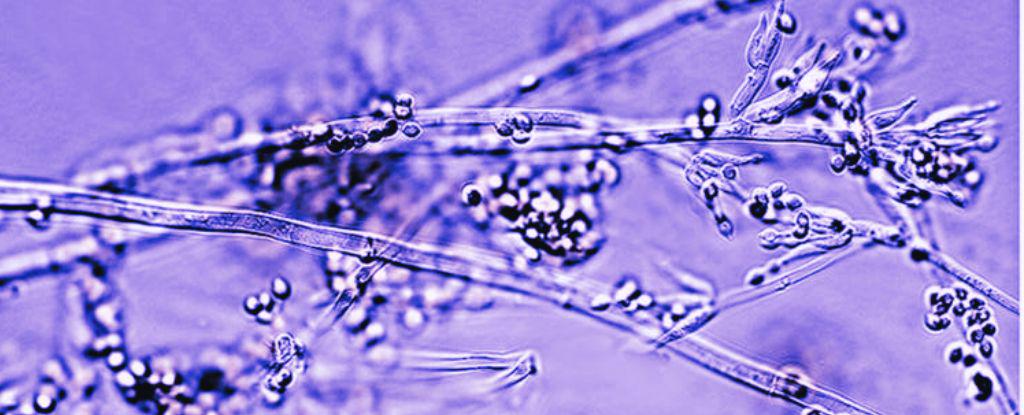
Bandages Made From Living Fungi
Title: Bandages Made From Living Fungi: The Revolutionary Future of Wound Healing
Introduction
In the quest for sustainable and innovative medical solutions, scientists have turned to an unexpected ally: fungi. Forget static gauze and synthetic adhesives—bandages made from living fungi are emerging as a groundbreaking alternative for wound care. Combining biotechnology with nature’s genius, these “smart” bandages actively support healing while reducing environmental harm. In this article, we explore how fungal-based bandages work, their benefits, and why they could transform the future of medicine.
What Are Living Fungi Bandages?
Living fungi bandages are crafted from mycelium, the thread-like root structure of mushrooms and other fungi. Unlike traditional bandages, which are passive materials, mycelium is biologically active. It can be grown into flexible, porous sheets or gels that interact dynamically with wounds. Researchers engineer these bandages to leverage fungi’s inherent properties:
- Natural biocompatibility: Mycelium mimics human tissue structure, promoting cell regeneration.
- Antimicrobial and anti-inflammatory: Fungi produce compounds like chitosan and beta-glucans that fight infection and reduce swelling.
- Self-repairing: Living mycelium networks can regenerate minor damage, extending bandage lifespan.
How Do They Work?
Mycelium bandages act as a bioactive scaffold when applied to wounds:
- Barrier Function: The dense fungal network seals the wound, shielding it from contaminants.
- Moisture Regulation: Mycelium’s porous structure maintains optimal hydration, accelerating tissue repair.
- Active Healing: Fungi release enzymes and biomolecules that stimulate collagen production and blood vessel formation.
- Biodegradation: Once healing is complete, the bandage harmlessly decomposes—no removal required.
Key Benefits Over Traditional Bandages
1. Eco-Friendly & Sustainable
Traditional wound dressings generate plastic waste and rely on resource-intensive manufacturing. Mycelium bandages are grown in labs using agricultural byproducts (e.g., sawdust or grain), requiring minimal energy and water. They biodegrade in weeks, reducing landfill burden.
2. Enhanced Healing Potential
Early studies show fungal bandages reduce healing time by up to 40% for burns and diabetic ulcers. Their bioactive components suppress drug-resistant bacteria like MRSA, addressing a critical challenge in chronic wound care.
3. Customizable & Scalable
Mycelium can be genetically tuned or infused with medications (e.g., painkillers, antibiotics) for targeted therapy. Companies like MycoWorks and Ecovative Design already scale mycelium production for textiles, proving feasibility for medical use.
4. Breathable and Hypoallergenic
The natural mesh structure allows oxygen exchange, minimizing irritation for sensitive skin—ideal for eczema patients or post-surgery care.
Potential Applications
- Chronic Wounds: Diabetic ulcers, pressure sores, and venous leg ulcers.
- Burn Treatment: Mycelium’s cooling, anti-scarring properties aid severe burns.
- Military & Disaster Relief: Lightweight, shelf-stable fungal bandages could save lives in remote areas.
- Post-Surgical Care: Reducing infection risk and eliminating painful dressing changes.
Current Research & Challenges
In 2023, a team at Mogu Labs (Italy) demonstrated mycelium bandages accelerating skin regeneration in animal trials, while startups like Biohm (UK) explore commercial partnerships. However, hurdles remain:
- Regulatory Approval: Strict medical device regulations require extensive safety testing.
- Public Perception: Overcoming the “ick factor” of fungal-based products in healthcare.
- Cost Efficiency: Scaling production to compete with conventional bandages’ low cost.
The Future of Fungal Bandages
Innovators envision bandages that adapt to wound pH, release drugs on demand, or even integrate sensors to monitor healing. With global sustainable healthcare markets projected to reach $150 billion by 2030, living fungi bandages could become mainstream, merging ecology with cutting-edge medicine.
Conclusion
Bandages made from living fungi represent a paradigm shift—where wound care is no longer passive but a collaborative process between human biology and nature’s intelligence. While challenges persist, the fusion of mycology and biotechnology promises safer, greener, and more effective healing solutions. For patients, clinicians, and our planet, the future of bandages is alive with possibility.
Optimized Keywords: Living fungi bandages, mycelium wound care, sustainable medical products, fungal biotechnology, biodegradable bandages, smart wound dressing, mycelium healthcare applications, eco-friendly medical innovation.
Stay tuned to healthcare and biotech advancements—follow our blog for more on nature’s role in modern medicine!