Ceramic polishing
Unlocking the Shine: The Ultimate Guide to Ceramic Polishing
Meta Description: Discover the art and science of ceramic polishing—from techniques and tools to benefits and applications. Learn how to achieve flawless finishes for ceramics in industrial and DIY settings.
What is Ceramic Polishing?
Ceramic polishing is a precision finishing process that smooths and shines ceramic surfaces, enhancing their durability, aesthetics, and functionality. Used across industries like construction, automotive, electronics, and art, polishing transforms rough ceramic substrates into refined, high-performance components. With ceramics’ rising popularity for their heat resistance, hardness, and non-reactive properties, mastering polishing techniques is key to unlocking their full potential.
Types of Ceramics and Their Polishing Needs
Not all ceramics are created equal. Their composition dictates the best polishing approach:
- Technical Ceramics (Alumina, Zirconia): Used in medical implants or aerospace parts, requiring ultra-smooth finishes for reduced friction.
- Porcelain & Tile Ceramics: Need scratch-resistant polishing for high-traffic areas.
- Advanced Ceramics (Silicon Carbide): Polished for semiconductor or cutting tool applications.
- Decorative Ceramics: Glossy finishes for artistic appeal.
4 Professional Ceramic Polishing Techniques
-
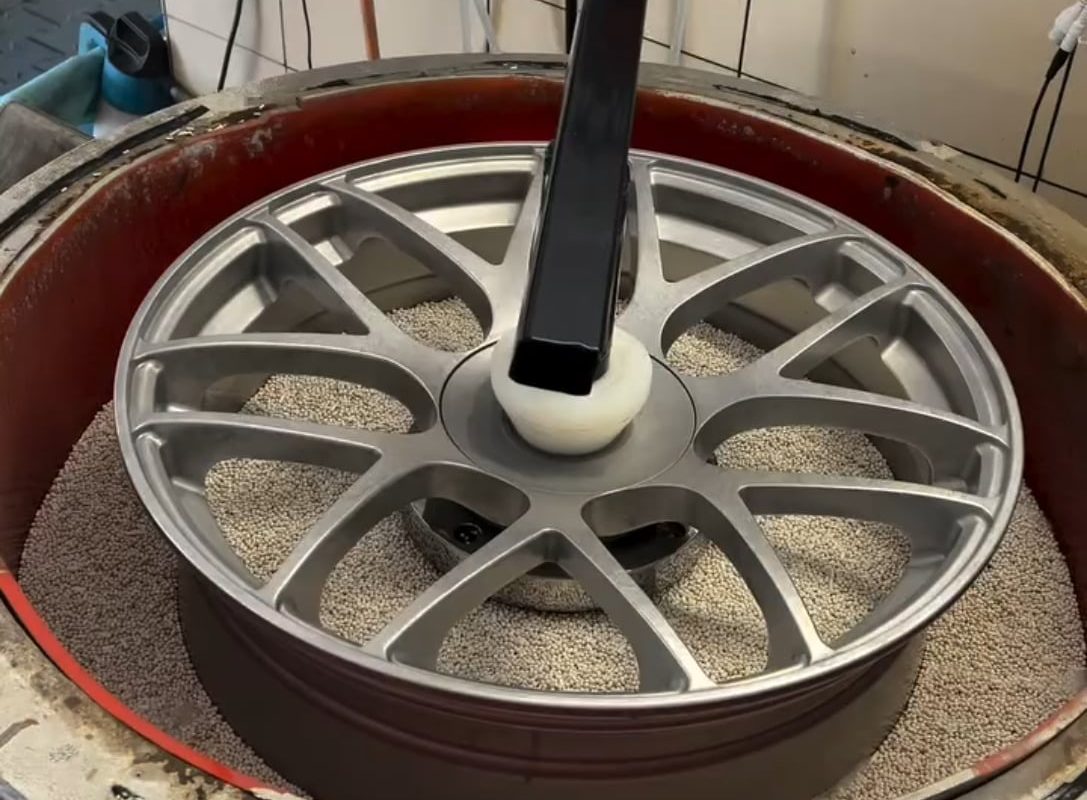
Mechanical Polishing
- Process: Abrasives (diamond, silica, or alumina) gradually grind the surface.
- Tools: Rotary polishers, lapping machines, or abrasive pads.
- Best For: High-precision industrial parts like engine components or surgical tools.
-
Chemical Polishing
- Process: Acids or alkalis dissolve surface imperfections.
- Pros: Uniform finish; ideal for complex shapes.
- Cons: Requires hazardous material handling.
-
Electrolytic Polishing (Electropolishing)
- Process: An electrochemical bath removes microscopic peaks.
- Applications: Conductive ceramics used in electronics or energy systems.
-
Laser Polishing
- Process: A laser melts the surface layer for a seamless finish.
- Advantages: Non-contact method; zero tool wear.
Essential Tools & Materials
- Abrasives: Diamond pastes (for hard ceramics), cerium oxide (for glass ceramics).
- Polishing Pads: Felt, wool, or synthetic pads for varying grit levels.
- Machines: Automated lapping/polishing machines for batch consistency.
- Safety Gear: Gloves, goggles, and ventilation for chemical processes.
Benefits of Polishing Ceramics
- Enhanced Durability: Reduces micro-cracks and weaknesses.
- Hygiene: Non-porous surfaces inhibit bacterial growth—critical in medical and food industries.
- Aesthetic Value: Creates luxurious finishes for tiles, jewelry, and tableware.
- Functional Performance: Improves electrical insulation and thermal conductivity.
Challenges & Solutions in Ceramic Polishing
- Problem: Brittleness causing chipping during polishing.
Solution: Use low-pressure techniques like ultrasonic polishing. - Problem: Inconsistent finishes on intricate geometries.
Solution: Combine chemical and mechanical methods for uniform coverage. - Problem: Cost of diamond abrasives.
Solution: Optimize abrasive reuse with proper cleaning.
Applications of Polished Ceramics
- Medical: Hip implants, dental crowns.
- Electronics: Insulators, semiconductor wafers.
- Automotive: Engine valves, brake discs.
- Home Decor: High-gloss tiles, artisan pottery.
DIY Ceramic Polishing: A Step-by-Step Guide
- Clean: Remove debris with water and detergent.
- Sand: Start with 200-grit sandpaper, progressing to 1,500+ grit for wet sanding.
- Polish: Apply diamond paste or cerium oxide with a rotary tool.
- Buff: Use a soft cloth to reveal a mirror-like shine.
Tip: Test methods on small areas first—over-polishing can weaken ceramics.
FAQs About Ceramic Polishing
Q: Can all ceramics be polished?
A: Most can, but porosity and hardness affect the results.
Q: How long does a polished ceramic surface last?
A: Years with proper care. Avoid abrasive cleaners to maintain the finish.
Q: Is professional polishing worth the cost?
A: For critical applications (e.g., aerospace), yes—precision impacts performance.
Q: Are polished ceramics slippery?
A: Yes—add anti-slip coatings for flooring applications.
Conclusion
Ceramic polishing blends technical expertise with artistic finesse. Whether you’re crafting a custom tile backsplash or engineering a spacecraft component, the right technique elevates ceramics from functional to exceptional. For large-scale or high-stakes projects, partnering with a professional ensures perfection.
Ready to Transform Your Ceramics? Share your project goals with a ceramic polishing expert today!
Target Keywords:
- Ceramic polishing techniques
- How to polish ceramic
- Benefits of polished ceramics
- Ceramic finishing process
- DIY ceramic polishing
By strategically incorporating these keywords, this guide aims to rank for ceramic polishing queries while offering actionable insights for professionals and hobbyists alike.