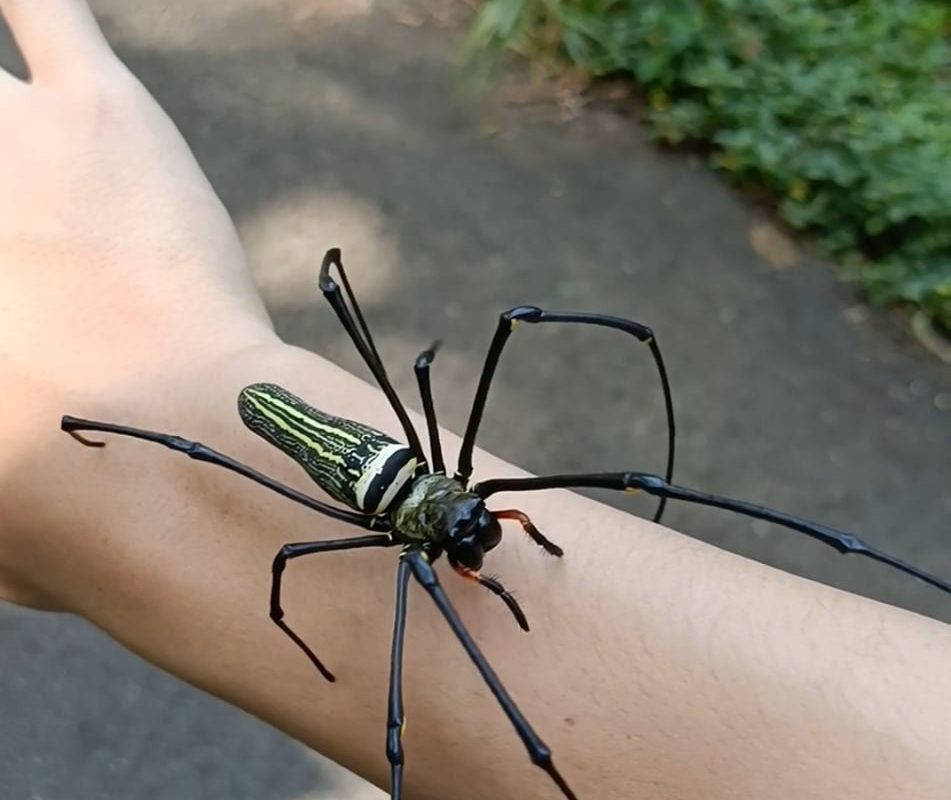
This spider I found
Title: Decoding the Eight-Legged Visitor: A Guide to Identifying the Spider You Found
Meta Description: Found a spider but unsure what it is? Learn how to identify common spiders, determine if it’s venomous, and what steps to take next. Your complete guide to decoding your eight-legged discovery!
Introduction
Discovering a spider in your home or garden can spark curiosity, concern, or even alarm. Whether it’s a tiny jumping spider on your windowsill or a larger orb-weaver in your backyard, identifying your eight-legged guest is key to understanding its role in your ecosystem and whether it poses any risks. In this guide, we’ll break down how to recognize common spiders, interpret their behaviors, and decide on the best (and safest) course of action.
Step 1: Observe Its Appearance
Spiders vary wildly in color, size, and markings. Pay attention to these details:
- Color: Is it brown, black, yellow, or patterned (e.g., stripes or spots)?
- Size: Measure its body length (excluding legs) – is it smaller than a penny or as large as a golf ball?
- Markings: Note distinctive features like hourglass shapes (black widows), violin markings (brown recluse), or bold stripes.
- Legs: Are they long and spindly (e.g., cellar spider) or robust and hairy (e.g., tarantula)?
Common Culprits:
- House Spider (Tegenaria domestica): Brown with faint patterns; small to medium-sized.
- Jumping Spider: Compact, fuzzy, with large front eyes; often black and white.
- Wolf Spider: Large, brown/gray, with stripe-like markings; fast-moving.
- Orb-Weaver: Colorful with intricate patterns; builds spiral webs.
Step 2: Examine Its Web (If Present)
A spider’s web can reveal its identity:
- Funnel Web: Sheet-like with a retreat (common to grass and house spiders).
- Orb Web: Circular, geometric patterns (orb-weavers).
- Tangle Web: Messy, cobweb-like (black widows or cobweb spiders).
- No Web?: Hunting spiders like wolf or jumping spiders actively stalk prey.
Step 3: Note the Location
Where you found the spider offers clues:
- Indoors: Cellar spiders thrive in damp basements; house spiders prefer corners.
- Garden/Outdoors: Orb-weavers love vegetation; wolf spiders roam mulch or soil.
- Dark, Isolated Areas: Recluses and widows hide in sheds, attics, or woodpiles.
Is It Venomous? Safety First!
Most spiders have venom to subdue prey, but only a few pose risks to humans. In North America, be cautious of:
- Black Widow: Glossy black with a red hourglass on the abdomen.
- Brown Recluse: Sandy brown with a dark violin-shaped mark near the head.
⚠️ If Bitten:
- Clean the area with soap and water.
- Apply ice to reduce swelling.
- Seek medical attention if you suspect a venomous bite (symptoms include fever, nausea, or tissue damage).
Good News: Most spiders are harmless and beneficial! They control pests like mosquitoes, flies, and crop-damaging insects.
What to Do Next
- Relocate Safely: Place a cup over the spider, slide paper underneath, and release it outside.
- Prevent Future Guests: Seal cracks, reduce clutter, and install screens on windows.
- Snap a Photo: Use apps like iNaturalist or Seek to crowdsource IDs.
The Bigger Picture: Why Spiders Matter
Spiders are critical predators in our ecosystems. A single spider can consume hundreds of insects annually, protecting gardens and reducing reliance on pesticides. Observing them offers a window into nature’s complexity – from their silk engineering to hunting strategies.
Keywords for SEO:
identify common spiders, spider found in house, venomous spiders, spider web types, relocate spider safely, brown recluse vs wolf spider, black widow identification, harmless house spiders
Conclusion
Next time you spot a spider, don’t panic—investigate! Armed with this guide, you can confidently identify your visitor, understand its role, and make informed decisions. Share a photo of your discovery in the comments below, and let’s unravel the mystery together!
Further Reading:
- [How to Safely Remove Spiders from Your Home]
- [Beneficial Garden Spiders: Allies in Pest Control]
- [Global Spider Identification Resources]
(Image suggestion: Side-by-side comparison of common spider species with labels.)
FAQs
Q: What tiny spiders are found in bathrooms?
A: Cellar spiders (long legs, small bodies) or moisture-loving Telema species thrive in damp areas.
Q: Are all black spiders dangerous?
A: No! Many black spiders, like harmless cobweb spiders, lack the red hourglass of black widows.
Q: Do spiders come indoors in winter?
A: Yes – they seek warmth. Seal entry points to reduce sightings.
By demystifying your eight-legged find, you turn fear into fascination—one spider at a time! 🕷️🌿