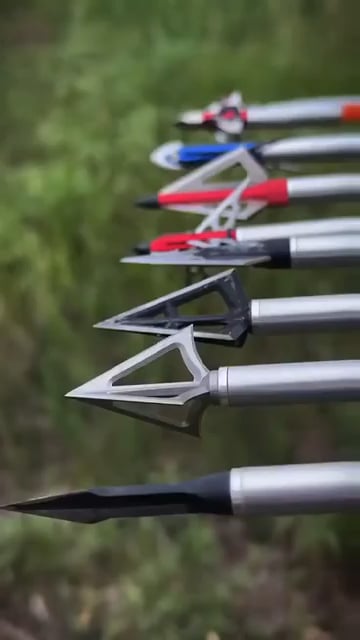
How different arrowhead designs penetrate targets
Title: The Science of Penetration: How Arrowhead Design Impacts Target Performance
Meta Description: Explore how arrowhead designs—from broadheads to bodkins—affect penetration power. Learn which design suits your hunting or target-shooting needs best.
Introduction: Why Arrowhead Design Matters
Arrowheads are engineered for purpose, not just aesthetics. Whether you’re a bowhunter seeking ethical kills or an archer aiming for precision, the right arrowhead design significantly impacts penetration—the measure of how deeply an arrow pierces a target. This guide breaks down the physics and anatomy behind arrowhead performance, helping you choose the optimal design for your goals.
Key Factors Affecting Arrowhead Penetration
Before examining specific designs, understand the core principles that influence penetration:
- Shape & Surface Area: Narrower tips concentrate force, enhancing penetration, while wider blades create larger wounds but increase friction.
- Weight Distribution: Heavier arrowheads retain kinetic energy better, driving deeper into targets.
- Material: Modern steels (carbon, stainless) resist deformation, while stone or flint may fracture on impact.
- Cutting Diameter: Broadheads with large blades face more resistance, slowing penetration compared to streamlined points.
Penetration Power: Physics Behind Arrowhead Performance
- Kinetic Energy: Penetration relies on transferring energy from arrow to target. Heavy arrowheads maintain momentum better than lightweight ones.
- Force Concentration: A smaller tip surface area (e.g., bodkin points) maximizes pressure per square inch.
- Friction & Drag: Wider blades or mechanical broadheads create drag, reducing penetration but increasing tissue damage.
Arrowhead Types & Their Penetration Profiles
1. Field Points
- Design: Simple conical or bullet-shaped tips.
- Penetration: Excellent for target practice due to minimal friction. Lacks cutting blades, so it punches clean holes in foam or straw targets.
- Best For: Target archery, tuning bows.
2. Fixed Broadheads
- Design: Rigid blades (2–4) with sharp edges.
- Penetration: Moderate, depending on blade width. Smaller cutting diameters penetrate deeper than wider ones. Steel ferules prevent deflection in bone.
- Best For: Big-game hunting (deer, elk) where balance of penetration and wound channels is critical.
3. Mechanical Broadheads
- Design: Retractable blades that expand on impact.
- Penetration: Blades deploy mid-flight, increasing drag and reducing penetration by up to 20% compared to fixed heads. Lightweight models improve speed but sacrifice kinetic energy.
- Best For: Hunting softer-skinned game (turkey, varmints).
4. Bodkin Points
- Design: Long, needle-like tips (historically armor-piercing).
- Penetration: Exceptional against dense materials. Narrow profile concentrates force to pierce chainmail, wood, or thick hide.
- Best For: Historical reenactments, armored targets.
5. Judo Points
- Design: Spring-loaded arms prevent burrowing into grass or dirt.
- Penetration: Moderate. Blunted tips and wire springs stop deep penetration, ideal for preventing arrow loss in vegetation.
- Best For: Small-game hunting, fieldwork.
6. Blunt Arrowheads
- Design: Flat or rounded tips (rubber, metal).
- Penetration: Minimal. Spreads impact force to stun rather than pierce—perfect for small game like squirrels.
- Best For: Small-game hunting where pelts need preserving.
Choosing the Right Arrowhead: A Quick Guide
- Maximize Penetration: Use heavy, narrow tips like bodkins or fixed-blade broadheads with small cutting diameters.
- Balance Penetration & Damage: Opt for fixed broadheads (1 ⅛” blades) for ethical big-game kills.
- Minimize Over-Penetration: Select judo points or blunts for small game.
Real-World Applications & Ethical Considerations
- Hunting Ethics: Deep penetration ensures quick, humane kills. Use fixed-blade broadheads or heavy mechanicals for larger animals like elk.
- Target Archery: Field points preserve targets while allowing precise scoring.
- Historical Archery: Bodkins demonstrate medieval armor-piercing technology in action.
Conclusion: The Art of Precision Engineering
Arrowhead design isn’t one-size-fits-all. Physics dictates that penetration hinges on shape, weight, and blade deployment. Hunters prioritize energy transfer and wound channels, while target archers focus on consistency. By understanding these dynamics, you’ll select arrowheads that meet your goals—whether it’s a clean kill or a perfect 10-ring.
Optimize your quiver today and shoot smarter, not harder!
Keywords: Arrowhead penetration, broadhead vs mechanical, best hunting arrowheads, arrowhead physics, bowhunting tips, target archery tools.
Internal Links (if publishing online):
- [How to Choose the Right Bow for Your Hunting Style]
- [Tuning Your Bow for Maximum Kinetic Energy]
- [Ethical Hunting Practices Every Archer Should Know]
Visual Suggestions:
- Infographic comparing penetration depths of arrowheads.
- Slow-motion video of broadheads vs. field points impacting ballistic gel.
- Historical engraving of bodkin points piercing armor.