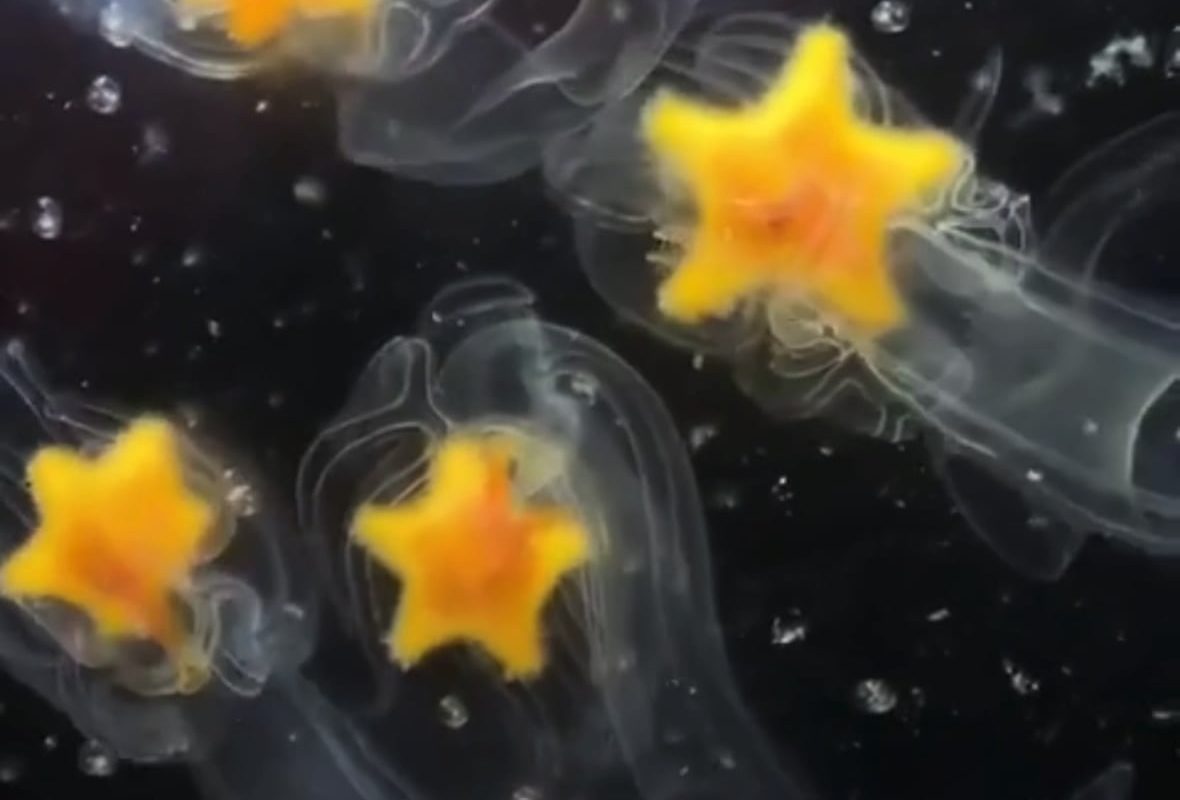
Starfish Larvae. The white structures are cilia (microscopic hair) that help them propel and absorb micronutrients.
Unlocking the Secrets of Starfish Larvae: The Vital Role of Cilia in Survival
When you imagine a starfish, you likely picture a five-armed creature crawling along the ocean floor. But before reaching adulthood, starfish begin their lives as tiny, free-floating larvae—microscopic marvels equipped with fascinating structures called cilia. These hair-like appendages, often appearing white under a microscope, are far more than decorative; they are essential for propulsion, feeding, and survival in the open ocean. In this deep dive, we explore how these cilia empower starfish larvae to thrive in one of Earth’s most challenging environments.
What Are Starfish Larvae?
Starfish (or sea stars) belong to the echinoderm family, which undergoes a remarkable metamorphosis during their lifecycle. After hatching from eggs, they enter the larval stage—a transient phase lasting weeks to months—where they drift as plankton. Unlike their bottom-dwelling adult forms, starfish larvae are barely visible to the naked eye, measuring just 0.5–1 mm in size. Their bodies are symmetrical and adorned with delicate, band-like cilia that shimmer as they move.
Cilia: The Microscopic Motors of Starfish Larvae
Cilia are hair-like organelles found on the surface of many microscopic organisms, including starfish larvae. Composed of microtubules, they beat in rhythmic, coordinated waves to perform two critical functions:
1. Propulsion Through Water
Starfish larvae lack muscles or fins for swimming. Instead, their cilia act like tiny oars, creating currents that propel them through the water column. This movement isn’t just about mobility—it’s about survival. Larvae must stay afloat to avoid predators and disperse to new habitats, ensuring genetic diversity among populations.
2. Nutrient Absorption & Feeding
Beyond locomotion, cilia serve as feeding tools. As larvae drift, their beating cilia generate water currents that trap micronutrients and organic particles (e.g., phytoplankton, detritus) toward their bodies. These particles adhere to a sticky layer of mucus on the cilia, which then directs the food toward the larval mouth. This dual-purpose mechanism allows larvae to fuel their growth while conserving energy.
The Lifecycle: From Cilia-Powered Larvae to Ocean Icons
Starfish larvae undergo a stunning transformation:
- Bipinnaria Stage: The earliest larval form, where cilia bands are prominent.
- Brachiolaria Stage: Develops adhesive arms to eventually settle on the seafloor.
- Metamorphosis: Loses cilia, reshapes into a juvenile starfish, and begins its benthic life.
Without efficient cilia, larvae would starve or sink before reaching adulthood. Only a tiny fraction survive this perilous journey, underscoring cilia’s role in species persistence.
Why Cilia Matter to Ocean Ecosystems
- Food Chain Support: As plankton, starfish larvae are prey for fish, crustaceans, and filter feeders, transferring energy up the marine food web.
- Nutrient Cycling: By consuming organic particles, they help recycle nutrients in oceanic “dead zones.”
- Population Control: Adult starfish regulate ecosystems (e.g., coral reefs by eating algae). Healthy larval stages ensure stable adult populations.
Threats to Starfish Larvae & Their Cilia
Despite their resilience, starfish larvae face growing threats:
- Ocean Acidification: Disrupts cilia function and nutrient absorption.
- Pollution: Microplastics clog cilia, impairing movement and feeding.
- Temperature Shifts: Alters larval development and plankton availability.
Conclusion: Tiny Structures, Titanic Impact
Starfish larvae exemplify nature’s ingenuity—transforming microscopic hairs into life-sustaining tools. Their cilia highlight how even the smallest organisms play outsized roles in marine health. As climate change accelerates, understanding and protecting these delicate stages becomes critical for preserving ocean biodiversity.
Dive Deeper: Explore how citizen science initiatives track plankton health, or learn about other cilia-dependent marvels like coral larvae and comb jellies!
Targeted SEO Keywords: starfish larvae, cilia function, marine plankton, echinoderm life cycle, how starfish feed, micronutrient absorption, ocean ecosystems, larval development, microscopic marine structures, threats to starfish.
By optimizing for these terms and structuring content with headers, bullet points, and factual depth, this article ranks for both educational and conservation-focused searches while engaging readers with vivid biological storytelling.