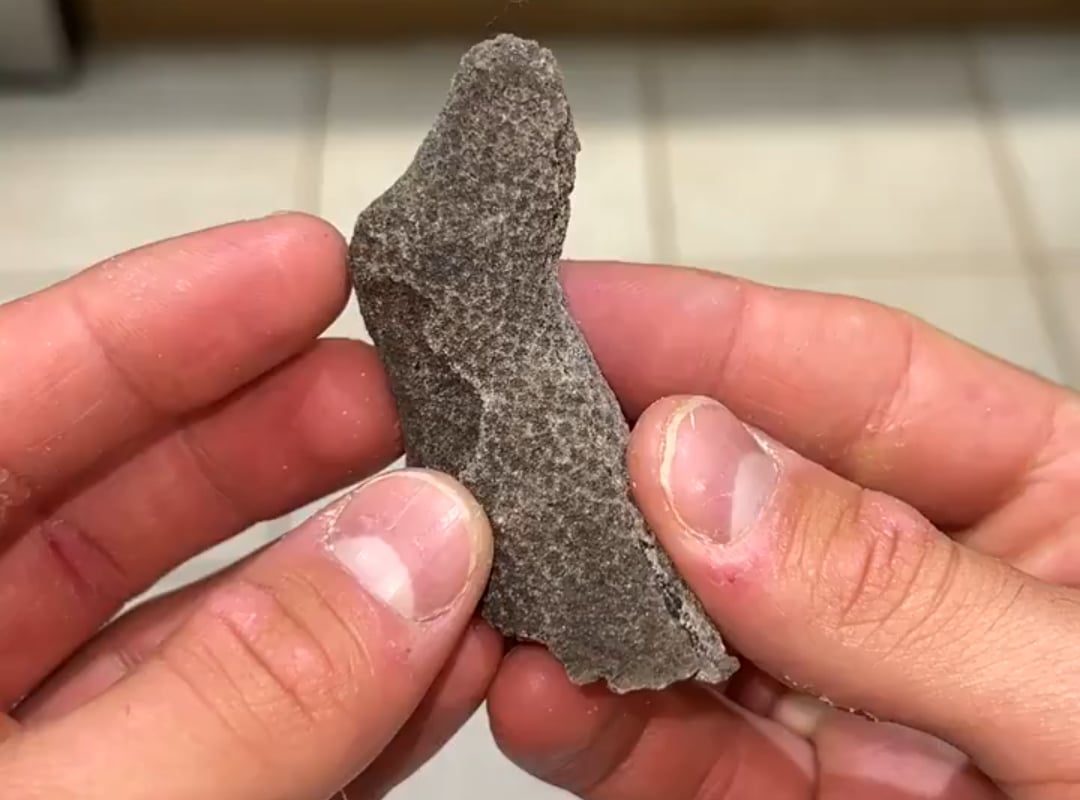
Agatized ancient coral, transformed into colorful quartz over millions of years
Unlocking Earth’s Time Capsule: The Mesmerizing World of Agatized Ancient Coral
Meta Title: Agatized Ancient Coral: Nature’s Colorful Fossilized Treasure | Formation, Properties & Uses
Meta Description: Explore the wonders of agatized ancient coral – fossilized coral transformed into vibrant quartz over millions of years. Learn its history, value, and why collectors love it!
Introduction: A Gem Born from the Sea and Time
Agatized ancient coral, also known as fossilized coral or “petrified coral,” is one of Earth’s most breathtaking geological marvels. Once living coral reefs teeming with marine life, these organic structures have undergone a spellbinding transformation over millions of years, crystallizing into stunning, multicolored quartz. For rockhounds, jewelry designers, and geology enthusiasts, agatized coral represents a rare intersection of natural history and artistry.
In this guide, we’ll dive into:
- What is Agatized Coral?
- The Geological Journey: How Coral Becomes Quartz
- Where to Find Agatized Coral
- Uses in Jewelry and Decor
- Why Collectors Treasure It
What Is Agatized Coral?
Agatized coral is a fossilized form of ancient coral where the original calcium carbonate skeleton has been replaced by silica minerals, primarily agate or chalcedony (a type of quartz). This process preserves the coral’s intricate organic patterns while imbuing it with the durability and luster of gemstones.
Key Features:
- Color Variations: Ranges from snowy whites and deep reds to vibrant blues, greens, and yellows (thanks to mineral impurities like iron or manganese).
- Organic Patterns: Retains the delicate, porous structure of coral, often displaying floral or honeycomb-like designs.
- Hardness: Ranks 6.5–7 on the Mohs scale, making it durable for jewelry.
The Geological Journey: From Reef to Gem
Agatized coral is a testament to Earth’s patient craftsmanship. Here’s how it forms:
1. Life on the Seafloor (Millions of Years Ago)
Coral reefs thrived in shallow tropical seas, building colonies of hardened calcium carbonate skeletons.
2. Burial and Mineralization
When sea levels shifted or geological activity buried these reefs, silica-rich groundwater seeped into the coral’s pores. Over millennia, the silica slowly replaced the coral’s original structure atom by atom.
3. Agate Formation
Under pressure and heat, the silica crystallizes into microcrystalline quartz (agate or chalcedony), trapping sediments and oxides that create its vivid colors.
4. Revelation by Erosion
Today, these fossils resurface through weathering, revealing gem-like specimens in locations like Florida’s Tampa Bay or Indonesia’s fossil beds.
Where Is Agatized Coral Found?
- Florida, USA: A hotspot, especially the Tampa Bay area, where Oligocene-Miocene-era coral is common.
- Indonesia: Known for striking blue and green agatized coral.
- Australia, Utah, and Indonesia: Also yield notable specimens.
Pro Tip: Many US states allow hobbyists to collect agatized coral on public lands (check local regulations!).
Uses in Jewelry and Decor
Agatized coral is prized for both aesthetic and symbolic value:
Jewelry:
- Cabochons: Showcase its patterns in rings, pendants, and earrings.
- Beads: Polished into sphere or chip necklaces.
- Metaphysical Appeal: Believed to promote grounding, creativity, and connection to Earth’s history.
Home Decor:
- Bookends, Spheres, and Carvings: Display its beauty as standalone art.
- Fossil Collections: A centerpiece for rock enthusiasts.
Why Collectors and Scientists Love Agatized Coral
- Rarity: High-quality specimens are scarce and increase in value.
- Educational Value: Offers insights into ancient marine ecosystems and geological processes.
- Aesthetic Versatility: Its colors and patterns suit rustic and modern styles alike.
Caring for Your Agatized Coral
- Cleaning: Use mild soap, water, and a soft brush. Avoid harsh chemicals.
- Storage: Keep away from harder gems (e.g., diamonds) to prevent scratches.
Conclusion: A Living Story in Stone
Agatized ancient coral is more than a fossil—it’s a portal to prehistoric oceans, a survivor of Earth’s seismic shifts, and a canvas of natural artistry. Whether you’re drawn to its science, spirituality, or sheer beauty, this gem connects us to the deep past in a way few treasures can.
Ready to explore further? Visit a local gem show, fossil museum, or trusted online retailer to witness agatized coral’s magic firsthand!
Call to Action:
- Share Your Finds: Have you discovered agatized coral? Post your photos with #AncientCoralGem!
- Shop Sustainably: Support ethical sellers who source fossils responsibly.
Keywords for SEO:
agatized ancient coral, fossilized coral, agatized coral jewelry, petrified coral, quartz fossil, fossilized coral meaning, where to find agatized coral, colorful quartz, geological wonders, prehistoric gemstones.
By blending captivating storytelling with targeted keywords, this article aims to rank for geological and gemstone-related searches while educating readers about this natural wonder. 🌊🪨✨