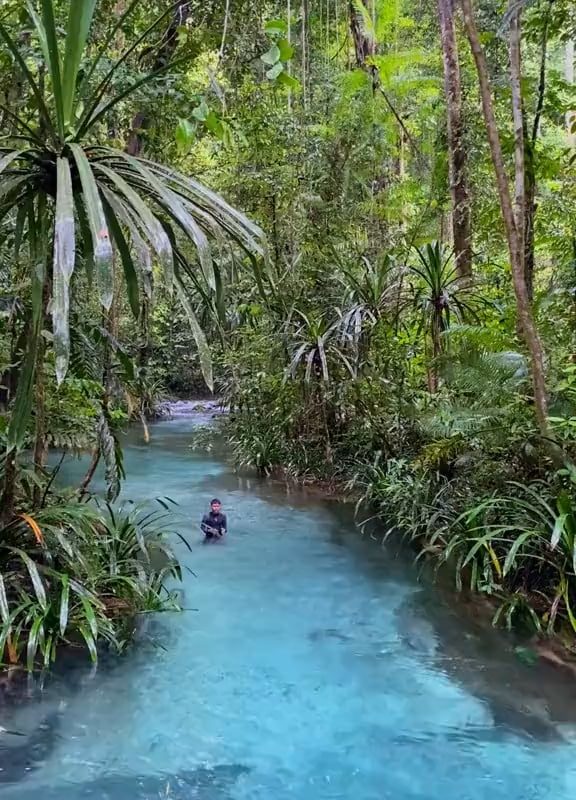
River swimming in Indonesia in the West Papua region
Discover the Untamed Beauty of River Swimming in Indonesia’s West Papua Region
Nestled in Indonesia’s eastern frontier, West Papua is a land of raw, untouched wilderness, where emerald rainforests cascade down mountainsides and crystal-clear rivers carve through ancient valleys. While Bali and Java attract beachgoers, West Papua offers a truly intrepid aquatic adventure: river swimming in some of the planet’s most pristine and secluded waterways. Dive into our guide to explore the magic, challenges, and cultural significance of river swimming in this remote tropical paradise.
Why Swim in West Papua’s Rivers?
West Papua’s rivers are unlike any other. Far from crowded tourist hubs, these waterways are gateways to biodiversity hotspots, Indigenous traditions, and landscapes straight from a dream.
- Pristine Ecosystems: Swim in rivers fed by mountain springs and rainforests teeming with endemic birds-of-paradise, tree kangaroos, and vibrant orchids.
- Cultural Immersion: Many rivers flow through lands of Indigenous tribes like the Dani, Asmat, and Korowai, offering rare insights into ancient ways of life.
- Adventure Rewards: With limited infrastructure, river swimming here feels like a true expedition—ideal for travelers seeking unspoiled nature.
Top Rivers for Swimming in West Papua
1. Wosimi River, Manokwari
Located near the coast, the Wosimi River’s gentle currents and warm waters make it ideal for relaxed swimming. Jungle-clad banks shelter monitor lizards and kingfishers, while nearby villages welcome visitors with traditional Papuan hospitality.
- Highlight: Combine your swim with a trek to nearby Arfak Mountains for waterfalls and birdwatching.
2. Baliem River, Baliem Valley
The heartland of the Dani people, the Baliem Valley is famed for its terraced farmland and dramatic gorges. The Baliem River’s cool, turquoise waters offer exhilarating swimming holes amidst a backdrop of 2,000-meter peaks.
- Cultural Note: Visit during the annual Baliem Festival (August) to witness tribal ceremonies and traditional dances.
3. Mamberamo River, “Indonesia’s Amazon”
Known as the “Amazon of Papua,” the Mamberamo is Indonesia’s largest river by volume. Swimmers here must be experienced—currents are strong, but rewards include spotting rare freshwater dolphins and exploring uncharted tributaries.
- Expedition Tip: Accessible only by chartered boat; collaborate with eco-tour operators for safe navigation.
Safety First: Essential Tips for River Swimming
West Papua’s rivers are stunning but demand caution:
- Respect Currents & Depth: Test water flow before swimming. Avoid monsoon season (October–April) when rivers swell.
- Wildlife Awareness: While rare, saltwater crocodiles inhabit lowland estuaries. Stick to highland rivers like the Baliem for safer swimming.
- Local Guides: Hire Indigenous guides through community-based tourism initiatives (e.g., Papua Expeditions). They’ll share safe spots and cultural protocols.
- Health Precautions: Pack waterproof bandages, antiseptics, and avoid swallowing water to prevent infections.
Cultural & Environmental Etiquette
West Papua’s rivers are lifelines for Indigenous communities. Follow these guidelines to swim responsibly:
- Seek Permission: Many rivers flow through ancestral lands. Ask village chiefs before entering waterways.
- Minimize Impact: Avoid sunscreen or insect repellent that harms freshwater ecosystems. Use reef-safe products.
- Support Locals: Purchase handicrafts or hire guides to contribute directly to communities.
Best Time to Visit
The dry season (May–September) offers ideal river conditions:
- Sunny days with cooler temperatures in highlands (Baliem Valley: ~20°C).
- Lower water levels for safer swimming.
Avoid heavy rains during monsoon season, which can trigger flash floods.
Getting to West Papua’s Rivers
- Flights: Fly into Sentani Airport (Jayapura) or Rendani Airport (Manokwari) from Jakarta/Surabaya.
- Ground Transport: Use 4WD vehicles or boats to reach remote rivers. Inlands permits (surat jalan) may be required—arrange via tour operators.
Conclusion
River swimming in West Papua is not just a dip into nature—it’s a plunge into a world where time seems to stand still. From the misty highlands of the Baliem Valley to the sprawling jungles of Mamberamo, every swim here connects you to Earth’s last wild frontiers and the resilient communities that call them home. For adventurers willing to venture beyond the beaten path, West Papua offers an unforgettable, soul-stirring aquatic journey.
Ready to take the leap? Plan with eco-conscious guides, tread lightly, and let West Papua’s rivers rewrite your definition of paradise.
FAQs
Q: Are there crocodiles in West Papua’s rivers?
A: Saltwater crocodiles inhabit coastal estuaries. Highland rivers like the Baliem are generally croc-free but always consult local guides.
Q: Can beginners swim in these rivers?
A: Opt for gentle rivers like Wosimi. Avoid strong currents in the Mamberamo without expert supervision.
Q: Is West Papua safe for tourists?
A: Yes, but travel with reputable guides. Some areas require permits due to remote terrain and cultural sensitivity.
Q: What should I pack for river swimming?
A: Quick-dry clothing, waterproof bags, sturdy sandals, antiseptic wipes, and a reusable water bottle.
Q: How do I respect local cultures while swimming?
A: Dress modestly near villages, avoid photographing people without consent, and follow guide instructions.
Embark ethically. Swim wildly. Discover West Papua. 🌿💧