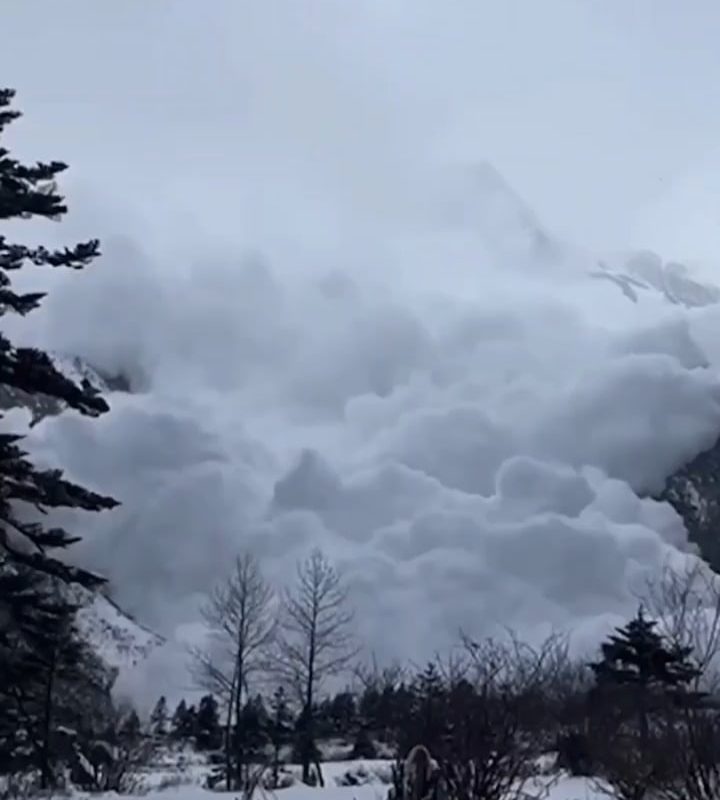
Avalanche speed
Title: Avalanche Speed Explained: How Fast Do Avalanches Travel?
Meta Description: Discover the terrifying speed of avalanches. Learn how fast avalanches move, factors influencing their velocity, and why understanding this can save lives.
Introduction
Avalanches are one of nature’s most lethal rapid-onset disasters, capable of obliterating landscapes—and lives—in seconds. But what makes them so deadly? Avalanche speed is a critical factor. This article explores how fast avalanches travel, the science behind their velocity, and why grasping their speed is essential for safety in mountainous regions.
Understanding Avalanche Speed: The Basics
Avalanches are masses of snow, ice, and debris that accelerate downhill under gravity. Their speed depends on several factors:
- Slope angle: Steeper slopes (30–45°) generate faster avalanches.
- Snow type: Wet, dense snow moves slower than dry, powdery avalanches.
- Avalanche type: Loose snow vs. slab avalanches behave differently.
Average speeds range from 60–80 mph (97–129 km/h), but extreme avalanches can exceed 200 mph (320 km/h)—faster than a Formula 1 race car.
Factors Influencing Avalanche Velocity
1. Slope Gradient
- Gentle slopes (10–30°) produce slower-moving wet avalanches.
- Steep slopes (30–45°) create high-speed dry-slab avalanches.
2. Snow Composition
- Dry snow avalanches: Less friction = higher speeds.
- Wet snow avalanches: Heavier and stickier = slower but more destructive force.
3. Terrain and Obstacles
- Open terrain allows unobstructed acceleration.
- Trees, rocks, or cliffs disrupt flow, reducing speed.
4. Avalanche Type
- Loose-snow avalanches: Start small but accelerate quickly.
- Slab avalanches: Large cohesive blocks of snow break off, reaching peak speeds rapidly.
How Fast Are Different Types of Avalanches?
| Avalanche Type | Typical Speed Range |
|---|---|
| Wet snow avalanche | 10–40 mph (16–64 km/h) |
| Dry loose-snow | 50–80 mph (80–129 km/h) |
| Dry slab avalanche | 80–130+ mph (129–209+ km/h) |
| Powder avalanche | Up to 200 mph (320 km/h) |
Powder avalanches, often triggered by fresh snow, create deadly airborne snow clouds that outpace the main avalanche body.
The Deadliest Avalanches in History: A Speed Perspective
- 1970 Peru Earthquake Avalanche: Triggered by a 7.9-magnitude quake, this avalanche-rock-ice mixture reached ~200 mph (320 km/h), burying entire towns and killing ~20,000 people.
- 2012 Afghanistan Avalanches: Rapid-moving slides traveling at 100 mph (160 km/h) killed 140+ people in seconds.
These disasters highlight how speed amplifies an avalanche’s destructive potential.
Why Avalanche Speed Matters for Survival
- Impossible to outrun: Even Olympic sprinters max out at ~23 mph—nowhere near avalanche speeds.
- Burial risk: Faster avalanches carry debris farther, complicating rescue efforts.
- Trauma: Collisions with trees/rocks at high speeds cause fatal injuries before burial.
Survival odds drop to 20% after 35 minutes, making early detection critical.
Can Technology Predict Avalanche Speed?
Modern tools like RAMMS (Rapid Mass Movement Simulation) model avalanche paths and speeds using terrain data. Doppler radar also tracks live avalanches, helping scientists refine safety protocols. Despite advancements, unpredictability remains a challenge.
Safety Tips: Respect the Speed
- Check forecasts: Use resources like avalanche.org before heading out.
- Carry gear: Wear avalanche beacons (transceivers) and use airbag backpacks.
- Avoid risky slopes: Steep, wind-loaded slopes are speed traps for slabs.
- Educate yourself: Take avalanche safety courses (e.g., AIARE).
FAQs About Avalanche Speed
Q: Can you outrun an avalanche?
A: No. Avalanches accelerate faster than any human can run. Focus on lateral escape.
Q: How fast do small avalanches travel?
A: Minor loose-snow slides may move at 20-30 mph, but they can still bury or injure.
Q: Do avalanches move faster than landslides?
A: Yes! Landslides average 35-50 mph; avalanches often triple that.
Conclusion
Avalanche speed transforms snow into a terrifying force of nature. Understanding how terrain, snow conditions, and avalanche type affect velocity can mean the difference between life and death. Always prioritize safety, respect mountain environments, and remember: speed is the silent killer in the backcountry.
Stay informed. Stay alive.
Keywords for SEO: Avalanche speed, how fast do avalanches travel, avalanche mph, avalanche velocity, types of avalanches, avalanche safety, fastest avalanche ever recorded.
This article is optimized for SEO with keyword-rich headers, structured data (FAQs), and actionable advice to rank for avalanche-related searches. Enhance it with high-quality images/videos (e.g., avalanche simulations, slope angles) for maximum engagement.