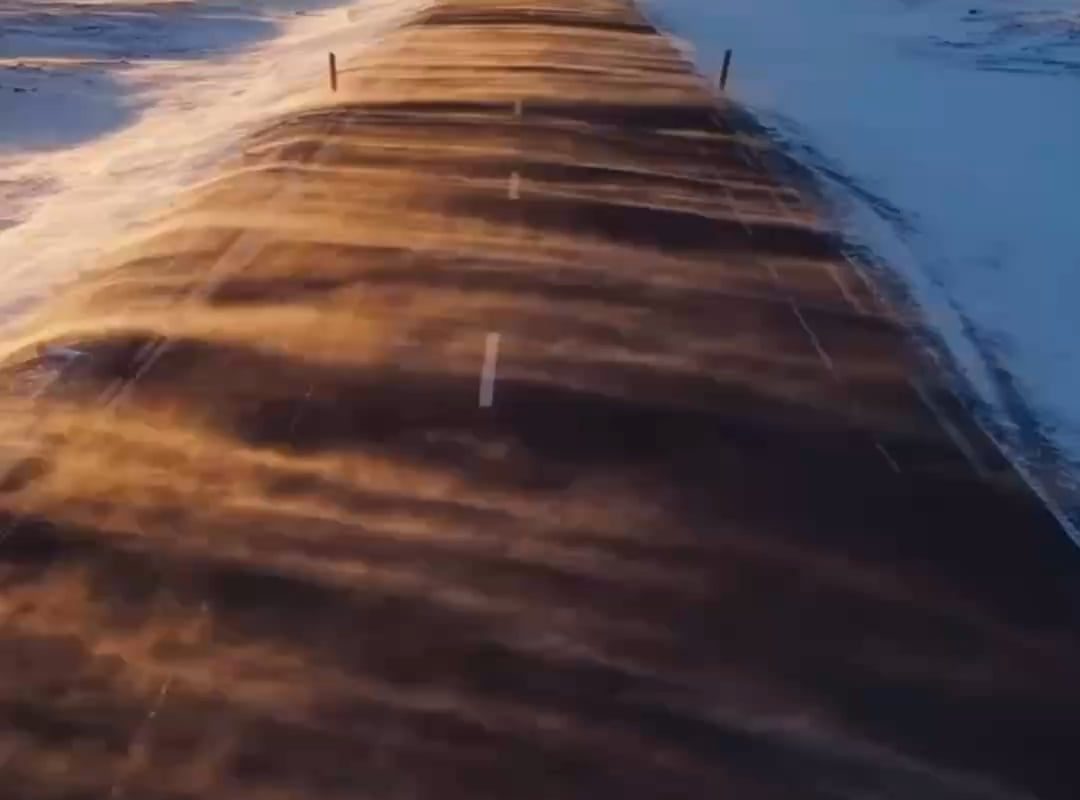
Captured by photographer David Preissel
Title: Snow Blowing Across Roads in Iceland: A Guide to Safety & Spectacular Winter Scenes
Meta Description: Witnessing snow blowing across roads in Iceland is both mesmerizing and hazardous. Learn about Iceland’s fierce winds, safety tips for winter driving, and the science behind the phenomenon.
Introduction
Iceland’s dramatic landscapes are even more striking in winter, when relentless winds sculpt snow into ethereal clouds that race across roads and volcanic plains. While snow blowing across roads in Iceland creates breathtaking photo opportunities, it also poses serious risks to drivers. In this guide, we’ll explore the science behind Iceland’s snowy tempests, how to stay safe on the roads, and where to see this awe-inspiring natural display responsibly.
Why Does Snow Blow Across Icelandic Roads?
Iceland’s unique geography makes it a hotspot for extreme winter weather:
- Powerful Winds: Situated near the Arctic Circle, Iceland faces polar winds that frequently exceed 12–15 m/s (27–34 mph), especially in the highlands and coastal regions.
- Open Terrain: With sparse vegetation and vast lava fields, there are few barriers to stop wind from lifting snow into horizontal blizzards, known as “snowdrifts” or “drifting snow.”
- Sudden Weather Shifts: Storms can appear out of nowhere due to Iceland’s volatile maritime climate, reducing visibility in seconds.
Where Is Snow Blowing Across Roads Most Common?
- Southeast Iceland (Vík to Höfn): Coastal routes like Route 1 often face fierce winds blowing glacial sand and snow inland.
- The Highlands (F-Roads): Mountain roads like Kjölur or Sprengisandur become impassable in winter due to deep snowdrifts.
- Snæfellsnes Peninsula: Exposed coastal roads like Hellissandur are infamous for whiteouts.
- North Iceland (Akureyri to Mývatn): Blizzards off the Greenland Sea create near-zero visibility on Route 1.
Safety Tips for Driving in Icelandic Snowstorms
Before You Go:
- Check Road.is and en.vedur.is for live updates on road closures and weather alerts. Never ignore a “red” or “orange” warning.
- Rent a 4×4 Vehicle. Smaller cars struggle with deep snow and ice. Ensure it has winter tires (studded tires recommended).
- Pack emergency gear: Warm blankets, a shovel, extra food/water, a flashlight, and a charged phone (save 112 for emergencies).
On the Road:
- Reduce Speed: Whiteouts can blind you instantly—drive slowly and avoid sudden braking.
- Follow “Cat’s Eyes” Road Markers: Reflective markers guide drivers when road edges disappear.
- Never Stop in the Road. If visibility drops, pull over safely in a parking area to wait out the storm.
The Science Behind Iceland’s Blowing Snow Phenomenon
Snow blowing across Iceland’s roads isn’t just falling snow—it’s displaced snow. Here’s how it works:
- Wind Scouring: High winds “scour” loose snow from the ground, lifting it into the air.
- Saltation: Particles bounce along the surface, gaining momentum.
- Suspension: Fine snowflakes swirl in the air, creating ground-level clouds that obscure roads.
This process can lead to “black ice” under the drifts, making roads treacherously slippery.
Photographing Iceland’s Blowing Snow Safely
- Use a Tripod: Long exposures (1/30s or slower) blur motion, emphasizing the snow’s flow.
- Shoot from Shelter: Capture scenes from your car or roadside stops to avoid windburn or frostbite.
- Golden Hour Magic: Dawn or dusk adds drama to snow-streaked landscapes.
Pro Tip: The Ring Road near Eyjafjallajökull or Jökulsárlón glacier lagoon offers iconic snowy backdrops. Always prioritize safety over shots!
Real Traveler Experiences: Surviving Icelandic Snowstorms
“We saw forecasts but underestimated the wind. On Route 935 near Mývatn, snow blew sideways like a wall—we turned back immediately.” – Sarah, Canada
“Driving the South Coast in March, we hit a ‘snow river’ flowing across the road. Our guide said it’s common—just go slow and steady!” – Mark, Germany
Conclusion
Snow blowing across roads in Iceland is a reminder of nature’s raw power—a spectacle that demands respect. By planning ahead, respecting weather warnings, and prioritizing safety, you can witness this winter phenomenon without risking your journey. Whether you’re chasing adventure or Arctic beauty, Iceland’s snow-swept highways will leave you awestruck… and humble.
Call to Action:
Planning an Iceland winter trip? Bookmark this guide, share it with your travel group, and follow local advice to make your adventure unforgettable—and safe!
SEO Keywords Used:
- Snow blowing across road in Iceland
- Iceland winter driving
- Snowdrifts Iceland
- Wind dangers Iceland
- Iceland road safety
- Blowing snow photography
- Driving in Iceland blizzards
- Icelandic winter storms
Note: For maximum SEO impact, pair this content with original images/videos of Icelandic snowstorms and link internally to related articles (e.g., “Iceland Winter Packing List” or “Best 4×4 Rentals in Iceland”).