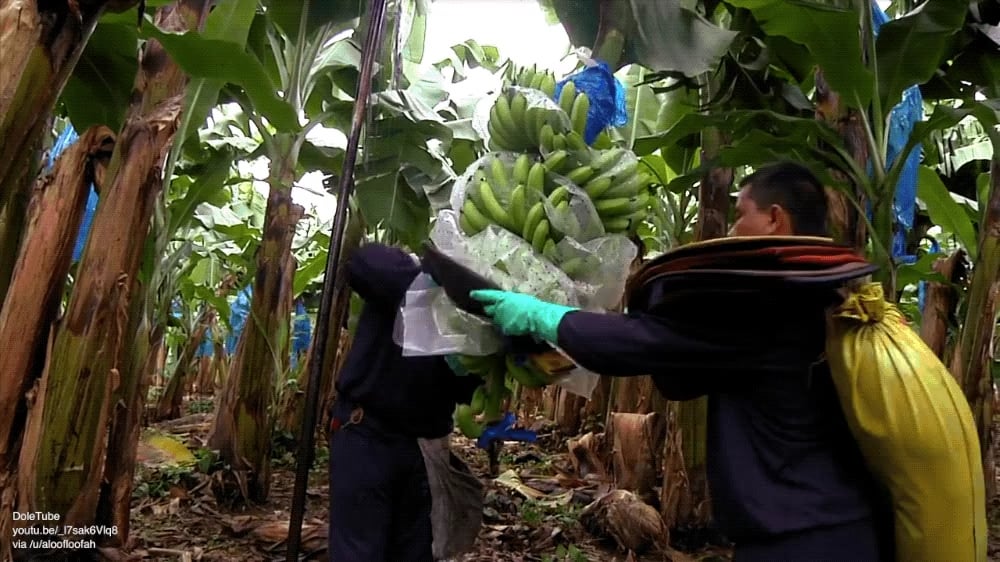
How bananas are harvested and processed in Central American farms
Title: From Farm to Market: How Bananas Are Harvested and Processed in Central American Farms
Meta Description: Discover the journey of bananas from Central American farms to global markets. Learn about harvesting techniques, post-harvest processing, and sustainability efforts in this detailed guide.
Introduction
Central America’s tropical climate and fertile soils make it one of the world’s leading banana-producing regions, supplying nearly 30% of global exports. Countries like Costa Rica, Honduras, Guatemala, and Ecuador dominate the industry, with bananas playing a critical role in their economies. But how do these iconic yellow fruits go from towering plants to supermarket shelves? Let’s explore the meticulous process of harvesting and processing bananas on Central American farms.
1. Cultivation: The Foundation of Banana Production
Before harvesting begins, banana plants require 9–12 months of careful cultivation:
- Planting: Farmers propagate bananas using suckers (shoots from mother plants) or tissue-cultured seedlings, ensuring disease-free growth.
- Field Management: Plants thrive in warm, humid conditions (25–30°C). Farms use drip irrigation and mulch to retain soil moisture. Protective bags cover developing banana bunches to shield them from pests and sunlight.
- Sustainability Practices: Many farms adopt organic farming, integrated pest management (IPM), and Fair Trade certifications to minimize environmental impact.
2. The Harvest: Timing is Everything
Bananas are harvested while still green to survive long-distance shipping. Timing is critical:
- Ripeness Check: Workers inspect bunches daily. Bananas are ready when they reach 75–80% maturity (rounded edges, deep green color).
- Manual Harvesting: Teams of cortadores (cutters) use machetes to slice bunches from the plant. A second worker carries the 40–80 lb bunch on padded shoulders to avoid bruising.
- Quality Control: Bruised or damaged fruits are discarded immediately.
3. Post-Harvest Processing: Speed and Precision
Within hours of harvest, bananas move to packing stations to halt ripening:
- De-Handing: Bunches are split into smaller clusters (“hands”) using curved knives.
- Washing Tanks: Hands pass through chlorinated water to remove dirt, insects, and latex (a natural sap that can stain).
- Fungicide Treatment: To prevent spoilage, bananas may be sprayed with thiabendazole or organic alternatives like citric acid.
- Grading and Sorting: Workers discard damaged fruits and sort bananas by size, shape, and quality.
4. Packaging for Global Markets
Bananas are carefully packed to withstand weeks of transit:
- Boxing: Sorted hands are packed into ventilated cardboard boxes lined with plastic to retain moisture.
- Labeling: Boxes are marked with farm codes, certifications (e.g., Rainforest Alliance, GlobalG.A.P.), and retailer details.
5. Transportation: The Chill Chain
Temperature control is vital to prevent premature ripening:
- Cold Storage: Boxes are moved to refrigerated trucks (kept at 13–14°C) within 24 hours of harvest.
- Port Shipping: Containers are loaded onto vessels bound for North America, Europe, or Asia. Ethylene gas blockers delay ripening until arrival.
6. Challenges in Central American Banana Farming
The industry faces significant hurdles:
- Disease Threats: Panama Disease (TR4) and Black Sigatoka fungus can decimate crops. Farmers combat these with resistant cultivars and sterile tools.
- Climate Pressures: Hurricanes, droughts, and floods disrupt harvests. Farms increasingly invest in climate-resilient infrastructure.
- Labor Rights: Worker welfare remains a focus, with certifications like Fair Trade ensuring living wages and safe conditions.
7. Sustainability Innovations
Central American farms are pioneering eco-friendly practices:
- Water Recycling: Runoff from washing stations is treated and reused.
- Carbon Footprint Reduction: Solar-powered packing plants and composted plant waste minimize emissions.
- Biodiversity Protection: Buffer zones protect nearby rainforests, and organic farms avoid synthetic pesticides.
Conclusion
From the skilled hands of cortadores to high-tech packing facilities, Central American banana farms combine tradition and innovation to deliver a perfect product. Next time you peel a banana, remember the carefully orchestrated journey it took—spanning farms, oceans, and countless quality checks—to reach your table.
Target Keywords:
- Banana harvesting process
- Central American banana farms
- Banana processing steps
- Sustainable banana farming
- How bananas are grown
Optimization Tips:
- Use subheadings with keywords for SEO clarity.
- Link to resources like Fair Trade or Rainforest Alliance certifications.
- Include statistics (e.g., “Central America exports 5 million tons annually”).
This guide provides a comprehensive, SEO-friendly overview of banana production while addressing modern challenges and appealing to eco-conscious readers. 🌍🍌