Japenese Mech
Title: The Rise and Impact of Japanese Mecha Culture: From Gundam to Evangelion
Meta Description: Explore Japan’s iconic mecha genre – giant robots, cultural impact, legendary anime, and futuristic tech. Dive into the world of Japanese mecha today!
Introduction: What is Japanese Mecha?
Japanese mecha (メカ), short for “mechanical,” is a genre of speculative fiction centered around giant robots piloted by humans. From anime and manga to video games and model kits, Japan’s mecha culture has shaped global sci-fi fandoms and inspired generations. This article delves into the origins, evolution, and cultural significance of Japanese mecha, showcasing its most iconic franchises and lasting influence.
The Origins of Japanese Mecha
Tetsujin-28-go and the Birth of Giant Robots
Japan’s fascination with mechanized warriors began in the 1950s with Mitsuteru Yokoyama’s manga Tetsujin-28-go (1963). This groundbreaking series featured a remote-controlled robot, setting the stage for piloted mecha tropes.
Mazinger Z: The First Piloted Mech
In 1972, Go Nagai’s Mazinger Z revolutionized the genre by introducing a human-piloted robot. Its success cemented core themes:
- Heroic teens battling evil.
- Transforming weapons and “combiner” robots.
- Social commentary on technology.
The Golden Age: Gundam and Beyond
Mobile Suit Gundam (1979)
Yoshiyuki Tomino’s Mobile Suit Gundam redefined mecha from superhero stories to gritty war dramas. Its “Real Robot” subgenre focused on:
- Political conflict and moral ambiguity.
- Realistic mechanics and military strategy.
- Merchandising empires like Bandai’s Gunpla (Gundam models).
Macross and Transforming Mecha
The Super Dimension Fortress Macross (1982) blended mecha with romance and music, popularizing Veritech fighters – robots that transform into jets. Its legacy includes the Robotech franchise in the West.
Postmodern Mecha: Evangelion and Deconstruction
Neon Genesis Evangelion (1995)
Hideaki Anno’s Evangelion shattered mecha conventions with psychological depth and religious symbolism. Themes included:
- Existential trauma and human connection.
- Disillusionment with heroic tropes.
- A global phenomenon that sparked debate and analysis.
New Wave Innovations
Series like Code Geass (2006) and Gurren Lagann (2007) expanded the genre:
- Code Geass: Mecha merged with geopolitical intrigue.
- Gurren Lagann: Over-the-top action and optimism.
Cultural Impact of Japanese Mecha
Technology and Innovation
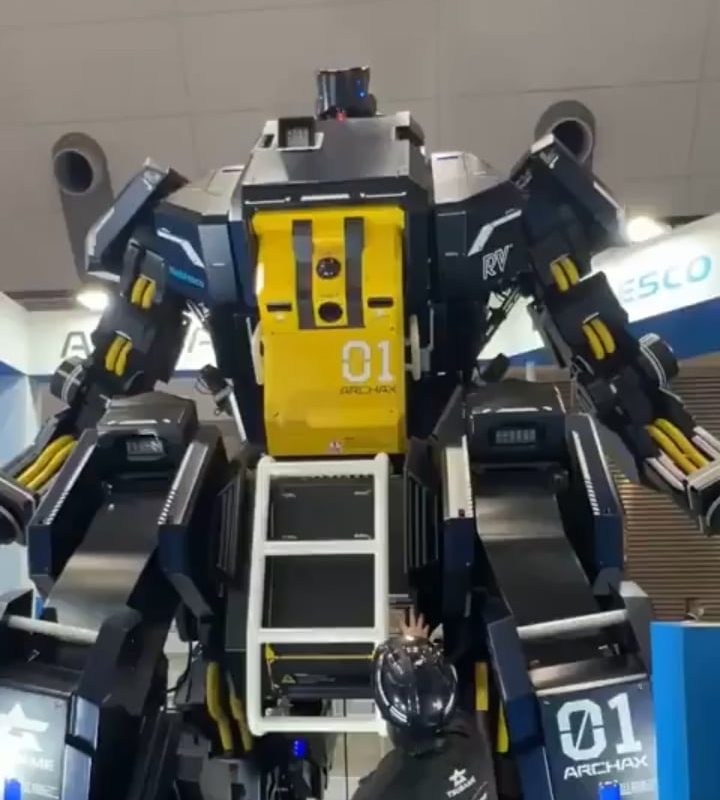
Mecha designs inspire real-world robotics (e.g., Honda’s ASIMO) and futuristic exoskeletons. Japan’s fascination with automation mirrors mecha’s human-machine duality.
Global Fandom and Adaptations
- Hollywood films like Pacific Rim (2013) pay homage to mecha tropes.
- Video games (Super Robot Wars, Armored Core) keep the genre alive.
- Cosplay and model-building communities thrive worldwide.
Iconic Japanese Mecha Series You Need to Know
- Patlabor – Police mechs in a near-future Tokyo.
- Full Metal Panic! – Mecha meets high-school comedy.
- Eureka Seven – Surfing robots and coming-of-age themes.
- 86 Eighty-Six – Modern anti-war mecha storytelling.
Why Japanese Mecha Endures
- Escapism & Hope: Mecha embody humanity’s triumph over adversity.
- Artistic Freedom: Engineers and artists push design boundaries.
- Timeless Themes: War, identity, and progress remain relevant.
Conclusion: The Future of Japanese Mecha
From Tetsujin-28-go to Gundam Hathaway (2021), Japanese mecha continues to evolve. With advancements in AI and animation, the genre remains a pillar of sci-fi storytelling – reminding us that even in a mechanized world, human spirit prevails. Whether you’re a longtime fan or a newcomer, Japan’s mecha universe invites endless exploration.
Keywords for SEO:
Japanese mecha, giant robots anime, Gundam series, Neon Genesis Evangelion, mecha genre history, best mecha anime, Real Robot vs Super Robot, Japanese robotics, Gunpla models, mecha culture.