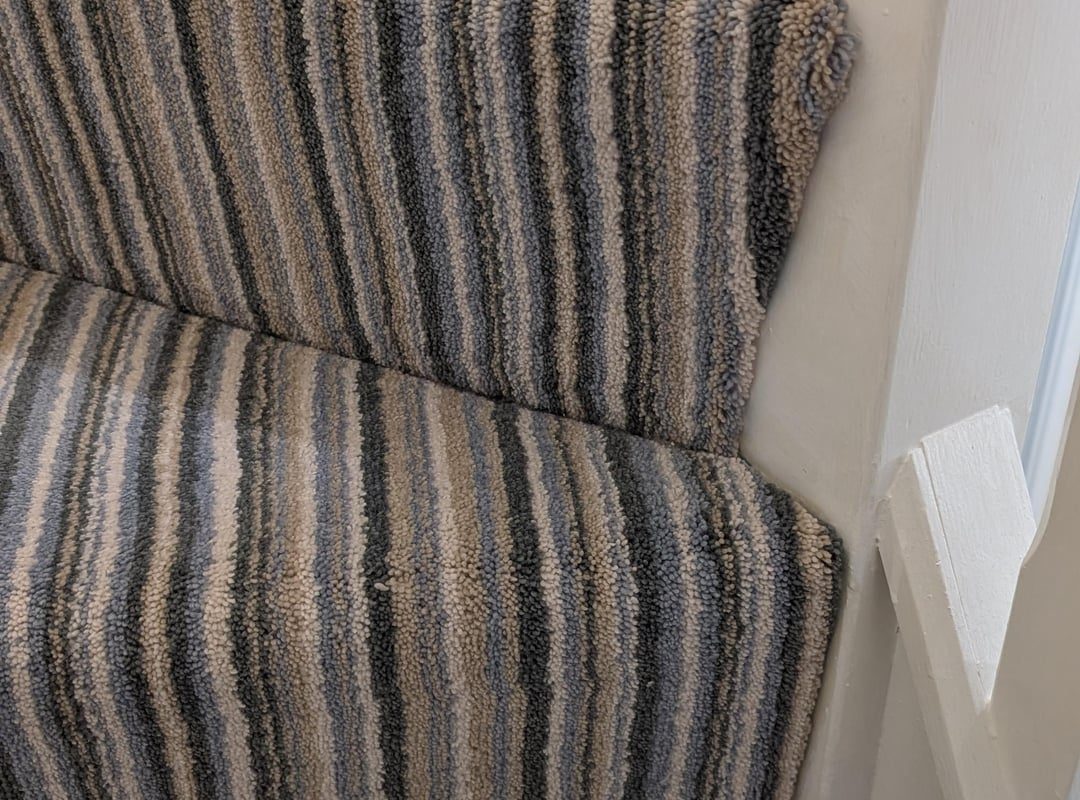
The way they fitted the carpet on our semi-spiral stairs
The Art and Precision of Fitting Carpet on Semi-Spiral Stairs: A Step-by-Step Guide
Installing carpet on stairs is challenging enough, but fitting it seamlessly on semi-spiral (or curved) stairs requires a unique blend of skill, precision, and planning. Semi-spiral stairs—often featuring a graceful curve or partial spiral—add architectural elegance to a home, but their unconventional shape makes carpet installation trickier than standard straight stairs. From measuring to cutting and securing the carpet, every step must account for angles and curves to ensure safety, durability, and aesthetic appeal.
In this comprehensive guide, we’ll explore how professionals tackled the challenge of carpeting semi-spiral stairs, the tools and techniques they used, and why this approach delivers lasting results.
Why Semi-Spiral Stairs Demand Special Attention
Semi-spiral staircases blend straight sections with curved transitions, creating dynamic angles and irregular surfaces. Unlike straight stairs, where carpet can be cut uniformly, semi-spiral stairs require:
- Custom templating to match the curve.
- Strategic stitching or seaming for seamless transitions.
- Reinforced anchoring to prevent shifting on curved treads.
Without proper installation, carpets may bunch, wrinkle, or loosen over time—creating tripping hazards and premature wear.
Step 1: Precision Measurement and Templating
Tools Used:
- Flexible measuring tape
- Cardboard or paper templates
- Digital angle finder
The installers began by meticulously measuring each tread and riser, noting variations in width and angle, especially at the curved section. They created custom templates for the curved stairs using pliable cardboard, tracing the exact shape of each tread. This ensured the carpet could be cut to fit like a “glove” without awkward gaps or overhangs.
Step 2: Choosing the Right Carpet and Padding
Key Considerations:
- Durability: A low-pile, dense carpet (e.g., nylon or wool blend) was chosen to withstand high foot traffic.
- Flexibility: The carpet needed enough flexibility to conform to curves without cracking.
- Padding: A premium, non-slip underpad was installed to reduce noise, add comfort, and prevent slippage.
The team recommended a patterned or textured carpet to subtly camouflage seams and everyday wear—a pro tip for high-traffic stairs.
Step 3: Cutting and Seaming for the Curve
Professional Techniques Applied:
- Hot Seaming: The installers used a hot-bond seaming iron to fuse carpet edges on curved sections, ensuring a smooth, invisible join.
- Strategic Cutting: Carpet was cut slightly larger than the templates, allowing for adjustments during fitting.
- Stair Rods vs. Tack Strips: On the curved section, hidden tack strips were prioritized for a streamlined look, while decorative stair rods reinforced straight sections.
For the most complex curves, the carpet was gently stretched and secured incrementally to avoid wrinkles.
Step 4: Securing the Carpet Safely
Critical Steps:
- Tack Strips: Installed along the back and sides of each tread, gripping the carpet firmly.
- Knee Kicker and Stretcher: Used to tension the carpet evenly, especially where the stairs transitioned from straight to curved.
- Adhesive: Applied sparingly on the outer edge of curved treads for extra hold.
The installers paid special attention to the “apex” of the curve, where tension is highest. Securing carpet here required multiple anchor points to prevent future sagging.
Common Challenges and How They Were Overcome
- Gap Management: Small gaps near the risers were addressed with custom-cut carpet remnants tucked beneath the nosing.
- Mismatched Angles: Adjustments were made on-site using a utility knife and seam roller.
- Safety Compliance: All edges were trimmed and heat-sealed to avoid fraying, meeting building codes for residential stairs.
DIY vs. Professional Installation: When to Call Experts
While confident DIYers might handle straight stairs, semi-spiral stairs often require professional expertise. Complex curves demand specialized tools (e.g., power stretchers, seaming irons) and advanced know-how to avoid costly mistakes. The average cost to carpet semi-spiral stairs professionally ranges from $800–$2,500, depending on materials and staircase complexity.
Maintaining Your Semi-Spiral Stair Carpet
- Vacuum regularly with a crevice tool to reach edges.
- Spot-clean spills immediately to prevent staining.
- Check for loosening annually, especially on curved sections.
The Final Result: Safety Meets Elegance
The finished staircase blended functionality and luxury, with the carpet hugging each curve securely and enhancing the home’s aesthetic. By prioritizing precision and quality materials, the installers transformed a challenging project into a long-lasting, beautiful feature.
In Summary
Fitting carpet on semi-spiral stairs demands:
- Accurate measurement and templating.
- High-quality, flexible materials.
- Expert seaming and stretching techniques.
- Professional installation for complex curves.
Investing in skilled installation ensures your carpeted semi-spiral stairs remain safe, comfortable, and visually stunning for years.
Need help carpeting your unique staircase? Consult a certified stair carpet specialist to discuss customization options and avoid common pitfalls!