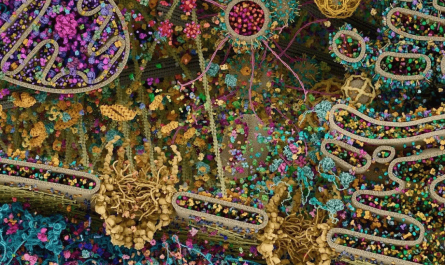
Using my microscope to see the sweat form on my finger tip.
Title: The Hidden World Under Your Skin: Observing Sweat Formation Under a Microscope
Meta Description: Discover the fascinating science behind sweat production by observing your fingertip under a microscope. Learn how to set up this DIY experiment, what you’ll see, and why it matters!
Introduction: Unveiling the Microscopic Marvels of Sweat
Have you ever wondered what sweat looks like at a microscopic level? Your skin, the body’s largest organ, is a bustling landscape of pores, glands, and fluids working tirelessly to regulate temperature and protect you. With just a standard microscope (even a beginner’s model!), you can unlock a hidden world—watching live sweat droplets emerge from your fingertip. In this guide, we’ll walk you through capturing this phenomenon and explore the science behind it.
The Science of Sweat: Why Fingertips Are Perfect for Observation
Human skin has two types of sweat glands: eccrine and apocrine. Your fingertips—like your palms, soles, and forehead—are densely packed with eccrine glands. These glands release a watery fluid (sweat) through pores to cool the body. Under a microscope, you’ll witness sweat’s journey from gland to surface, including:
- Sweat duct openings (pores) – Tiny “doors” where sweat emerges.
- Microscopic droplets – The initial beads of sweat forming like dew.
- Salt crystals – Evaporated sweat leaving behind minerals.
This process is invisible to the naked eye but transforms into a dramatic spectacle under magnification!
How to Observe Sweat Under a Microscope: Step-by-Step Guide
Materials Needed:
- Compound microscope (100x–400x magnification recommended).
- Glass microscope slide and coverslip.
- LED or natural light source (e.g., a phone flashlight).
- A steady hand—or modeling clay to stabilize your finger.
- Optional: Petroleum jelly (to slow sweat evaporation).
Procedure:
- Prepare Your Finger: Clean your fingertip with water to remove dirt or oils. Dry it thoroughly.
- Stimulate Sweat: Rub your finger gently or warm it slightly (e.g., hold a warm cup) to activate sweat glands.
- Position the Slide: Place your fingertip on the glass slide. Use modeling clay to hold it steady if needed. Avoid pressing too hard—this could block sweat pores.
- Adjust Magnification: Start at 100x to locate pores. Increase to 400x for droplet details.
- Lighting Is Key: Angle your light source to illuminate sweat droplets without glare.
What You’ll See:
- Pore Openings: Small dots where sweat droplets emerge.
- Droplet Formation: Tiny beads growing and merging into larger droplets.
- Fluid Dynamics: Sweat spreading across ridges of your fingerprint.
[Insert hypothetical image caption: “Sweat droplets forming around pores under 400x magnification. Credit: DIY Microscope Lab”]
Why This Experiment Matters: Beyond the “Cool Factor”
Observing sweat under a microscope isn’t just a novelty—it’s a window into human biology:
- Educational Insight: Perfect for students and science enthusiasts to understand thermoregulation.
- Skin Health Awareness: Abnormal sweating (e.g., absence of droplets) could indicate gland dysfunction.
- Debunking Myths: See firsthand that sweat isn’t “just water”—it contains salts, urea, and electrolytes.
Tips for Success & Troubleshooting
- Patience Pays Off: Sweat production varies. Wait 3–5 minutes if droplets aren’t visible.
- Avoid Movement: Use clay or tape to stabilize your finger and reduce blurring.
- Enhance Visibility: Apply a thin layer of petroleum jelly around (not over!) the pore area to slow evaporation.
- Compare Conditions: Try this after exercise vs. relaxation to see sweat-rate differences.
Extend Your Exploration: What Else Can You Observe?
- Fingerprint Patterns: Sweat droplets cling to ridges, revealing unique prints.
- Crystallization: Let sweat dry to see salt crystals under the scope.
- Compare Skin Areas: Test palms, forehead, or forearms—regions with fewer glands may show less activity.
Conclusion: A Tiny Experiment with Big Discoveries
Using a microscope to watch sweat form on your fingertip is a thrilling blend of curiosity and science. It humanizes complex bodily processes and reminds us that even everyday phenomena hide extraordinary details. Whether you’re a teacher, student, or hobbyist, this experiment invites you to slow down, look closer, and marvel at the elegance of human biology.
Ready to Explore? Grab your microscope and share your findings with #MicroscopicSweat!
Keywords for SEO: microscopy sweat experiment, DIY microscope biology, observe sweat glands, fingertip pores microscopy, eccrine glands under microscope, science experiment at home, human sweat droplets.
Alt Text Suggestions:
- “Sweat droplets emerging from fingertip pores under 400x magnification.”
- “Close-up of eccrine gland openings on human skin.”
- “Microscope setup for observing sweat formation.”
By optimizing your content for these keywords and framing sweat as a gateway to biology, this article will engage learners and elevate your SEO reach! 🧫✨