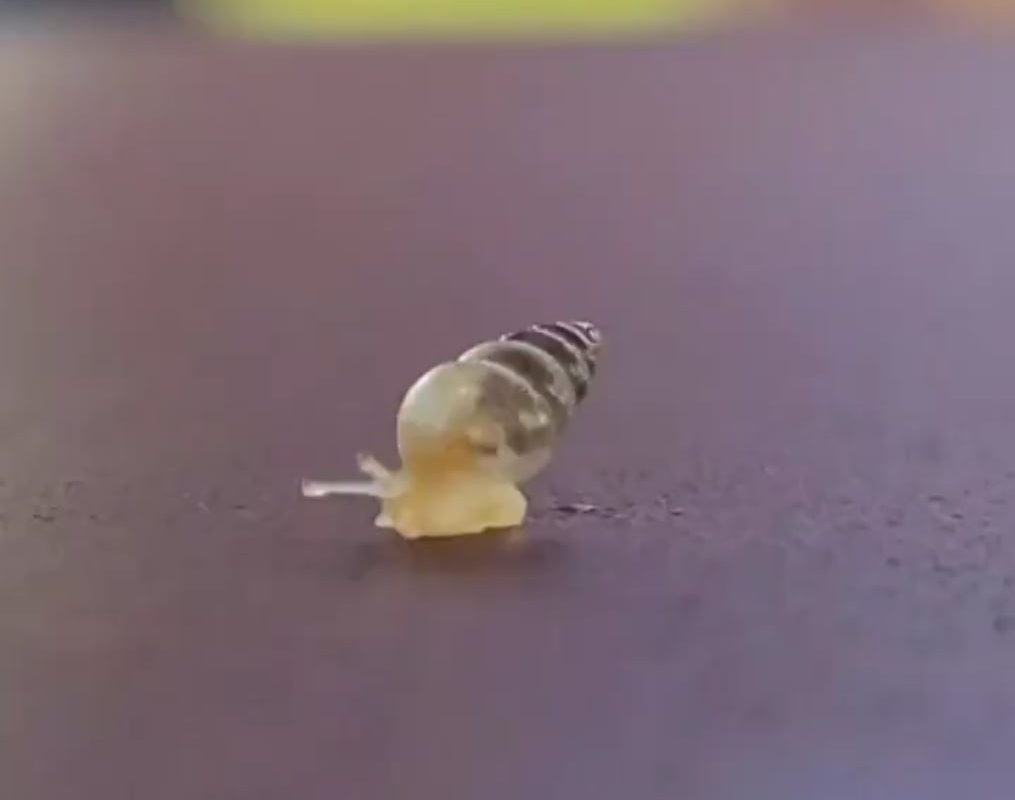
A baby snail walking
The Adorable Journey: A Baby Snail’s Slow but Steady Walk
When we imagine animals on the move, snails don’t typically come to mind as speedsters. But witnessing a baby snail’s tiny trek—a delicate dance of patience and biology—is a marvel of nature. In this article, we’ll explore what makes a baby snail’s walk so unique, how their movement works, and why their slow journey is essential to ecosystems and human curiosity alike.
1. The Tiny Traveler: Introduction to Baby Snails
Baby snails, often called hatchlings or juveniles, emerge from eggs as miniature versions of their adult selves. Measuring just a few millimeters long, these tiny mollusks are equipped with soft, coiled shells and a muscular “foot” that propels them forward at a famously leisurely pace. Despite their size, their method of locomotion is a masterpiece of biological engineering.
2. How Do Baby Snails Walk? The Science Behind the Glide
Unlike mammals or insects, snails don’t walk—they slide. Here’s how it works:
- The Muscular Foot: Snails move using their ventral foot, a broad, flat muscle that contracts in rhythmic waves. This creates a rippling motion that pushes them forward.
- Mucus Magic: To reduce friction, baby snails secrete a trail of mucus (slime) from glands in their foot. This slime acts like a natural lubricant, allowing them to glide effortlessly—even upside down!
- Slow and Steady: A baby snail’s speed ranges from 0.03 to 0.05 inches per second (about 5–8 cm per minute). That’s roughly the pace of growing grass!
3. Why Are Baby Snails So Slow?
While their sluggish speed might seem inefficient, it’s perfectly adapted to their needs:
- Energy Conservation: Moving slowly minimizes calorie expenditure, critical for a creature that survives on algae, fungi, or decaying plants.
- Safety First: Their pace helps them avoid detection by predators like birds, beetles, or frogs.
- Built-In Hydration: The mucus trail prevents dehydration, crucial since baby snails are highly vulnerable to drying out.
4. The Role of the Shell: A Mobile Home
A baby snail’s shell grows with it, providing protection and moisture retention. When threatened, the snail retracts its body into the shell—a lifesaving trick. Interestingly, the shell’s weight doesn’t slow them down; its spiral design is optimized for balance.
5. Baby Snails in the Ecosystem
Though tiny, these mollusks play big roles:
- Decomposers: They recycle organic matter, enriching soil health.
- Food Source: They sustain predators like fireflies, salamanders, and turtles.
- Indicators of Health: Their presence signals a balanced environment (e.g., clean water and unpolluted soil).
6. Fun Facts About Baby Snail Movement
- Night Explorers: Baby snails are most active at night or on damp days to avoid drying out.
- Follow the Trail: They use their slime trails to navigate back to food sources or shelters.
- Tiny but Tough: Some species can travel over 50 meters in their lifetime—equivalent to a human walking thousands of miles!
7. Observing Baby Snails Safely
If you encounter a baby snail:
- Avoid Handling: Their shells are fragile. If you pick one up, wet your hands first to protect their delicate bodies.
-lg - Create a Mini-Habitat: Place them on a moist leaf or stem to let them continue their journey unharmed.
FAQs About Baby Snails
Q: How fast can a baby snail move?
A: About 0.03–0.05 inches per second—slower than the minute hand on a clock!
Q: Do baby snails leave visible trails?
A: Yes! Their mucus dries into shiny, silvery paths (most noticeable on dark surfaces).
Q: Can baby snails swim?
A: No—but aquatic snail species can glide underwater using a similar sliding motion.
Q: How long do baby snails survive?
A: Depending on the species and environment, they can live 2–5 years (or longer in captivity).
Conclusion: Celebrating the Small Wonders
A baby snail’s walk may not break speed records, but it embodies resilience, efficiency, and quiet beauty. Next time you spot a glistening trail on a garden leaf, take a moment to appreciate the miniature explorer behind it—proof that great journeys often begin at a snail’s pace.
Call to Action
Did you enjoy learning about baby snails? Share your own snail-spotting stories in the comments below, or explore our guides on creating a snail-friendly garden!
Meta Description: Discover the fascinating world of baby snail movement! Learn how their tiny bodies glide, why they’re so slow, and their big role in nature. Perfect for curious minds and animal lovers.