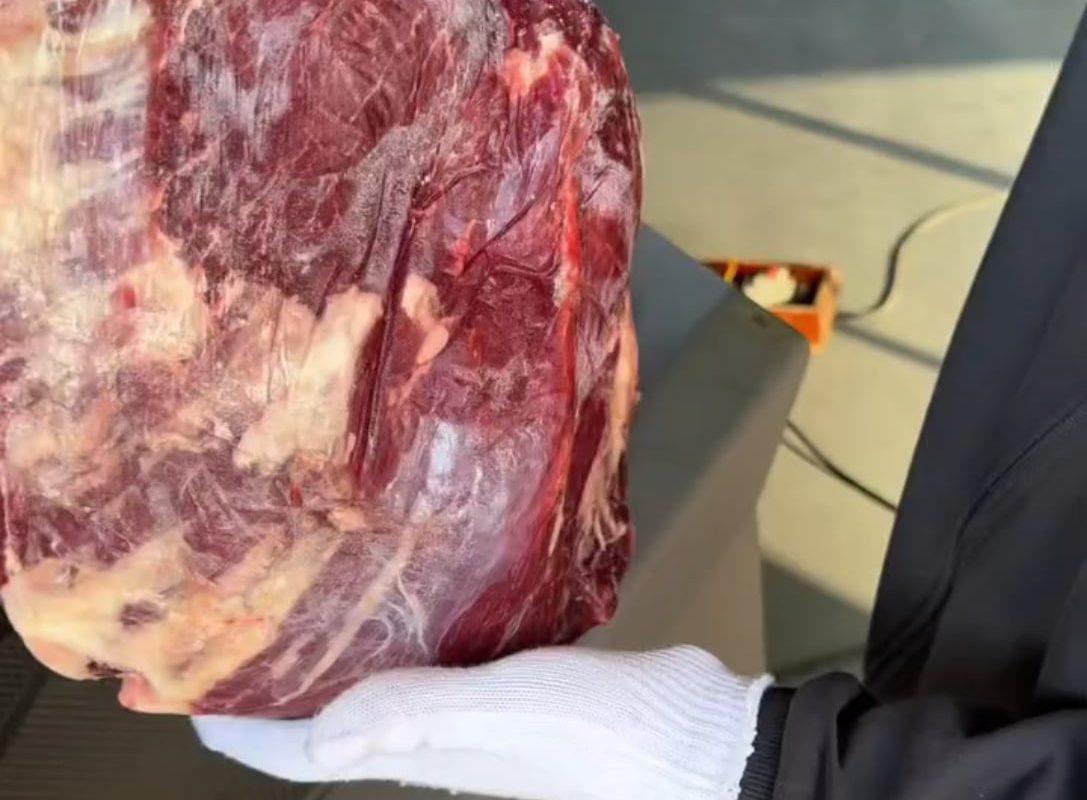
The way this meat slicer operates
The Ultimate Guide to How a Meat Slicer Operates: Precision, Safety, and Efficiency
In professional kitchens, delis, and even home settings, a meat slicer is an indispensable tool for achieving perfectly uniform cuts of meat, cheese, vegetables, and more. Whether you’re slicing paper-thin prosciutto or hearty roast beef, understanding how this powerful appliance operates ensures efficiency, safety, and superior results. In this guide, we’ll break down the mechanics of a meat slicer, step-by-step operation, essential safety practices, and tips to maximize performance.
Key Components of a Meat Slicer
Before diving into the operation, familiarize yourself with the core parts of a typical electric meat slicer:
- Blade: A razor-sharp circular disc (usually 7–14 inches in diameter) made of stainless steel.
- Carriage/Tray: The sliding platform that holds the food and moves toward the blade.
- Thickness Gauge: Adjusts the distance between the carriage and blade to control slice thickness.
- On/Off Switch & Speed Control: Powers the slicer and regulates blade rotation speed.
- Food Pusher: Safely guides food through the blade without hand contact.
- Angle Adjuster: Tilts the carriage for angled cuts (e.g., for bacon or deli meats).
- Catch Tray: Collects sliced food beneath the blade.
How a Meat Slicer Works: Step-by-Step Operation
1. Preparation & Safety Setup
- Secure the Machine: Place the slicer on a stable, non-slip surface. Ensure it’s unplugged during setup.
- Wear Cut-Resistant Gloves: Always prioritize safety when handling the blade.
- Chill Ingredients: Semi-frozen meat or cheese slices cleaner and reduces tearing.
2. Blade Installation & Adjustment
- Attach the Blade: Lock it securely onto the rotating hub using the manufacturer’s instructions.
- Set Thickness: Use the thickness knob (typically 0–15 mm) to choose your desired slice size.
- Adjust Carriage Angle: Tilt the tray between 0°–45° for specialty cuts.
3. Powering On & Slicing
- Turn On the Slicer: Start at the lowest speed setting for better control.
- Load Food: Place the food against the carriage’s finger guard. Never hold food with your hands.
- Engage the Pusher: Use the lever or food pusher to slide the carriage smoothly toward the blade.
- Pass Through the Blade: As the blade spins, it cleanly slices through the food, dropping pieces into the catch tray.
4. Shutting Down & Cleaning
- Turn Off & Unplug: Always disconnect power before disassembling.
- Remove Parts: Detach the blade, carriage, and catch tray.
- Clean Thoroughly: Wash components with warm, soapy water. Sanitize the blade to prevent rust or bacterial growth.
Types of Meat Slicers
Different slicers cater to varying needs:
- Manual Slicers: Operated with a hand crank; ideal for occasional home use.
- Electric Slicers: Offer speed and precision for high-volume slicing (e.g., delis).
- Commercial vs. Home Models: Commercial slicers have larger blades, stronger motors, and durable construction.
5 Essential Safety Tips
- Never Bypass the Food Pusher: Hand-feeding increases the risk of severe injury.
- Use the Blade Guard: Store the slicer with its guard in place.
- Avoid Loose Clothing/Sleeves: Ensure nothing gets caught in the blade.
- Sharpen Blades Regularly: Dull blades require more force, raising safety risks.
- Disassemble Only When Powered Off: Prevent accidental activation during maintenance.
Why a Meat Slicer Outperforms Knives
- Consistency: Uniform slices enhance presentation and cooking times.
- Speed: Slice pounds of meat in minutes, perfect for meal prep or catering.
- Versatility: Use it for cured meats, cheeses, bread, fruits, and vegetables.
- Minimal Waste: Precision cutting maximizes yield from each ingredient.
Maintenance for Longevity
- Routine Sharpening: A sharp blade ensures clean cuts and reduces motor strain.
- Lubricate Moving Parts: Apply food-grade lubricant to gears and sliders monthly.
- Check for Wear: Replace worn carriage rails or pushers to prevent malfunctions.
Conclusion
A meat slicer transforms tedious cutting tasks into fast, precise, and repeatable processes. By mastering its operation—from setup to cleanup—you’ll unlock professional results while prioritizing safety. Whether you’re a home chef crafting charcuterie boards or a deli owner streamlining workflows, this guide ensures your slicer becomes a reliable kitchen workhorse.
Pro Tip: Always refer to your model’s manual for manufacturer-specific instructions, and never skip safety protocols!
Keywords: How does a meat slicer work, meat slicer operation guide, using a meat slicer safely, electric meat slicer steps, commercial meat slicer mechanics, food slicer tutorial.
Boost your culinary efficiency—and slice with confidence! 🥩🔪