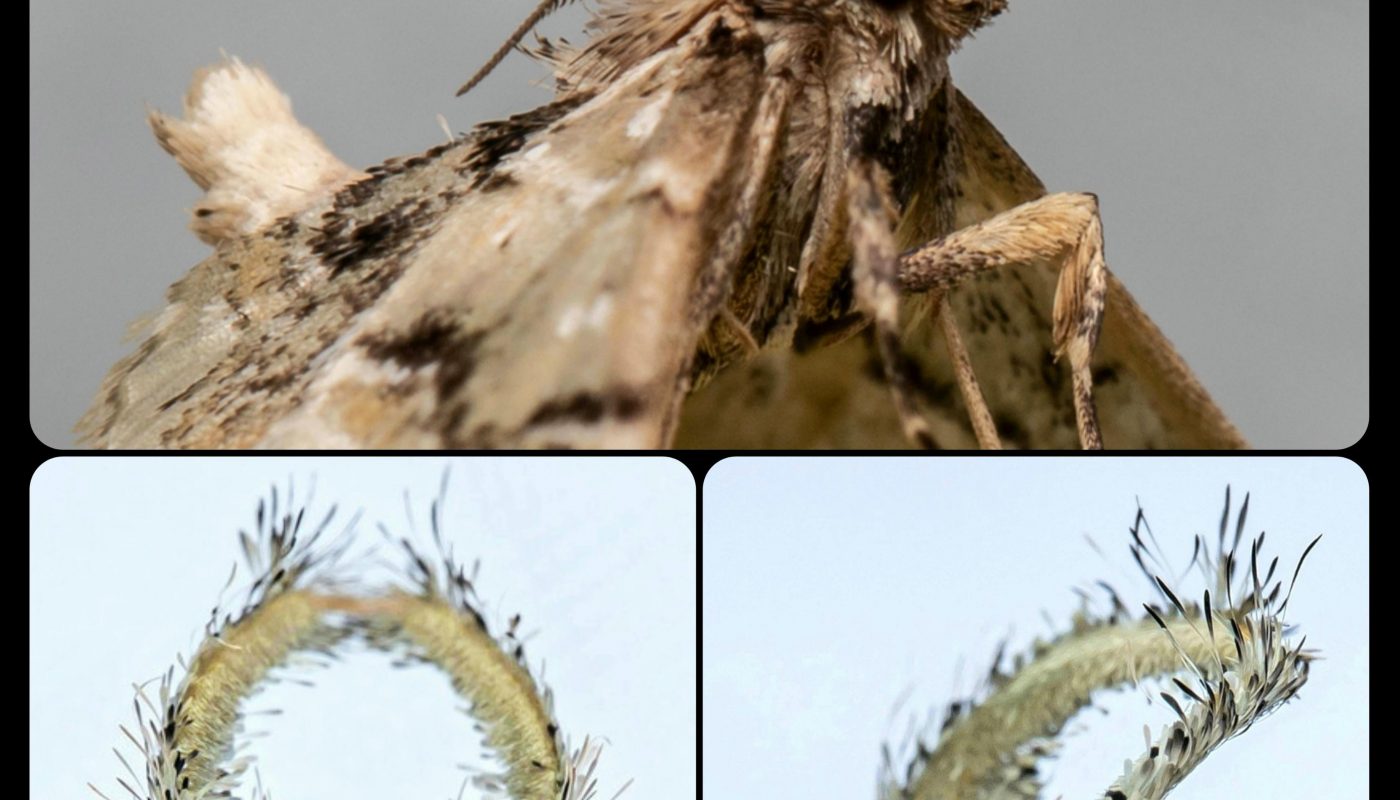
Coenodomus Moths: these moths have long, fuzzy “horns” that extend from the structures at the base of their antennae
Unlocking the Mystery of Coenodomus Moths: The Fascinating World of Fuzzy-Horned Insects
When it comes to moth diversity, few species capture the imagination quite like the Coenodomus moth. Known for their striking, long, and fuzzy “horns” that protrude from the base of their antennae, these enigmatic insects stand out in the Lepidoptera family. Intriguing in both appearance and behavior, Coenodomus moths inhabit remote ecosystems, leaving entomologists and nature enthusiasts eager to learn more. In this deep dive, we explore their unique anatomy, habitat, ecological role, and the science behind their distinctive features.
What are Coenodomus Moths?
Coenodomus is a genus of moths within the family Pyralidae (snout moths). Though not as well-known as butterflies or flashier moth species, they’ve garnered attention for their sensory “horns,” technically called pilifers. These hairy, elongated structures extend from the base of the antennae, resembling miniature antlers or whiskers. Researchers speculate these horns play a role in environmental sensing—perhaps detecting humidity, wind, or even pheromones—though their exact function remains a topic of study.
The Science Behind the “Horns”
The fuzzy protrusions of Coenodomus moths are not true horns but modified scales or setae (stiff bristles) emerging from the frontal area of the head. These structures likely enhance the moth’s ability to navigate dense vegetation or detect mates at night. Similar adaptations exist in other insects (e.g., antennae “combs” in luna moths) but are rare to this degree of prominence. For Coenodomus, these horns may:
- Amplify sensory input (e.g., detecting air currents).
- Aid in camouflage, breaking up the moth’s outline against tree bark or leaves.
- Facilitate mating displays—possibly signaling health or species identity.
Species Spotlight: Where Are They Found?
The Coenodomus genus includes several species, such as Coenodomus bivittatus and Coenodomus aequivitta. They predominantly inhabit tropical and subtropical regions, including:
- Southeast Asian rainforests (e.g., Borneo, Sumatra).
- Northern Australia.
- Parts of the Indian subcontinent.
These moths thrive in humid, lowland forests and are nocturnal, hiding during the day and becoming active at dusk. Little is known about their larval stages, but they likely feed on decaying plant matter or fungi—common diets for pyralid moths.
Habitat and Behavior
Coenodomus moths are nocturnal pollinators, contributing to the health of their ecosystems by feeding on nectar. Their fuzzy bodies trap pollen, aiding cross-fertilization of night-blooming flowers. They face predation from bats, birds, and reptiles, using evasive flight patterns and camouflage to evade threats. Migratory behaviors are also observed in some species, possibly linked to seasonal resource changes.
Why These Moths Matter: Ecological Importance
- Pollination: They support biodiversity by pollinating plants other insects cannot.
- Food Web Roles: As prey, they sustain birds, bats, and spiders.
- Indicator Species: Their sensitivity to habitat changes makes them useful for monitoring ecosystem health.
Deforestation and agricultural expansion (e.g., palm oil plantations) threaten their habitats, highlighting the need for conservation efforts.
Are Coenodomus Moths Endangered?
While not yet listed as endangered, Coenodomus moths face risks from habitat loss. Their secretive, nocturnal nature makes population studies challenging, landing them in the “data deficient” category. Protecting rainforests and limiting pesticide use are critical to their survival.
How to Spot a Coenodomus Moth
For wildlife enthusiasts, identifying these moths involves:
- Distinctive Features: Look for the “horns” (5–10 mm long) and earthy wing colors (browns, grays).
- Timing: Search at night, particularly near forest edges or light sources.
- Regions: Focus on Southeast Asia, Australia, or India’s Western Ghats.
Final Thoughts
Coenodomus moths, with their alien-like horns and elusive nature, remind us of nature’s boundless creativity. By studying and protecting them, we preserve not just a species, but a piece of evolutionary artistry. Whether you’re a biologist, photographer, or eco-traveler, these moths represent the wonders still hidden in Earth’s wild corners.
Keywords for SEO: Coenodomus moth, fuzzy-horned moths, moth sensory organs, nocturnal moths, Pyralidae family, rainforest moths, moth anatomy, insect adaptations, Southeast Asian insects.
Meta Description: Discover the mysterious Coenodomus moth—known for its long, fuzzy “horns” at the base of its antennae. Explore its habitat, behavior, and the science behind its unique features.