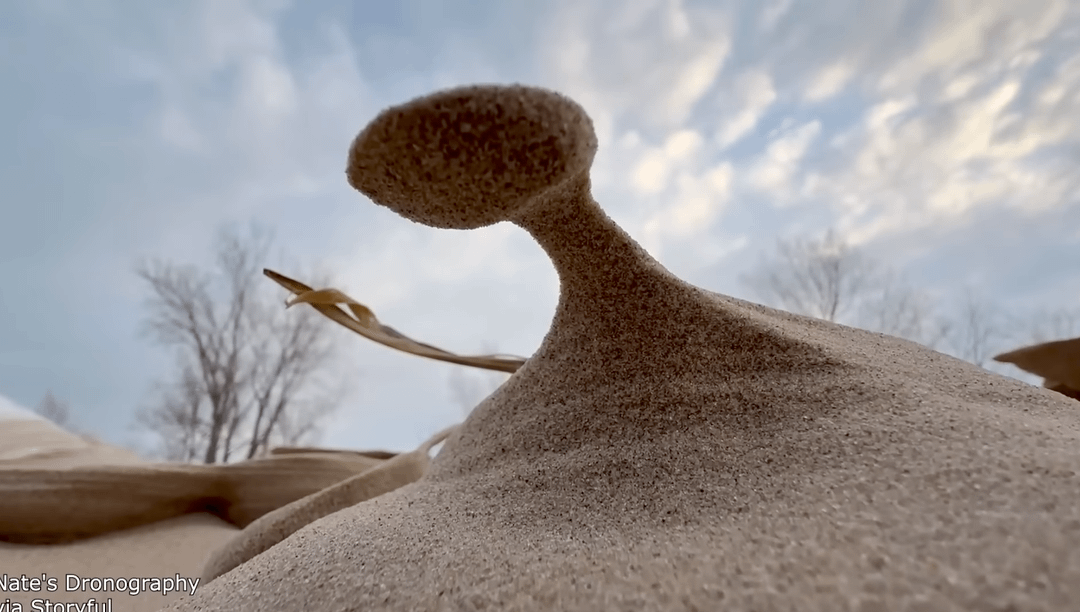
During cold periods at lake michigan, strong winds mixed with freezing colds can create natural structures made of of frozen sand.
Title: Frozen Wonders of Lake Michigan: Discover Nature’s Ice-Covered Sand Sculptures
Meta Description: Explore Lake Michigan’s surreal frozen sand formations – a breathtaking winter phenomenon where wind, waves, and sub-zero temperatures create nature’s icy art.
Introduction
When Arctic air sweeps across Lake Michigan during the deep winter months, the shoreline transforms into a scene straight out of a fantasy novel. Towering structures of ice-coated sand, sculpted by fierce winds and freezing water, rise like alien landscapes from the beaches. These ephemeral wonders—sometimes called “ice volcanoes,” “frozen dunes,” or “cryovolcanoes”—are a mesmerizing spectacle unique to the Great Lakes region. In this article, we dive into how these formations occur, where to find them, and how to safely experience Lake Michigan’s frosty magic.
What Are Frozen Sand Structures?
These natural ice formations emerge under specific winter conditions:
- Sub-Zero Temperatures: Sustained cold snaps (often below 20°F/-6°C).
- High Winds: Gusts exceeding 30 mph, blowing across the lake.
- Wave Action: Churning water splashes onto sandy shores, coating grains in layers of ice.
As waves crash and retreat, wind-driven spray instantly freezes onto the sand, building layer upon layer into jagged mounds, hollow cones, or even cave-like structures. The most dramatic examples resemble miniature volcanoes, with icy “lava” (slushy water) erupting from their cores during active wave cycles.
Where and When to Witness Them
Best Locations Around Lake Michigan:
- Sleeping Bear Dunes National Lakeshore (Michigan): Ice cliffs and dunes glisten along this UNESCO-designated site.
- Michigan City (Indiana): Washington Park Beach is a hotspot for frozen “sand volcanoes.”
- St. Joseph (Michigan): Tiscornia Park’s pier offers front-row views of ice-armored shorelines.
- Sheboygan (Wisconsin): Delight in frosty dunes at North Point Park.
Ideal Timing:
Visit between January and early March, especially after storms or rapid temperature drops. Check local weather for windy, frigid days when wind chills plummet below 0°F (-18°C). Arrive at sunrise or sunset for golden-hour photos that make the ice sparkle.
The Science Behind the Spectacle
- Lake Effect Snow & Spray: Unfettered winds lift water droplets from the lake, which freeze mid-air or upon contact with land.
- Accretion: Layers of ice accumulate like geological glue, cementing sand grains into solid, surreal shapes.
- Dynamic Sculpting: Wind continuously reshapes these structures, meaning no two formations look alike.
Unlike glaciers or icicles, these formations are temporary—melting or collapsing as temperatures rise or waves intensify.
Safety Tips for Explorers
While visually stunning, these icy playgrounds demand caution:
- ❄️ Avoid walking on frozen dunes or near ice-covered piers—hidden cracks or thin ice can lead to falls.
- ❄️ Dress in windproof layers: Temperatures feel drastically colder near the water.
- ❄️ Watch for wave surges: “Sneaker waves” can soak bystanders, leading to hypothermia.
- ❄️ Heed park advisories: Some areas close during extreme weather.
Capture the Magic: Photography Tips
- Use a Polarizing Filter to reduce glare and enhance the ice’s texture.
- Focus on Details: Zoom in on intricate ice patterns or footprints frozen in time.
- Play with Perspectives: Contrast towering formations against human silhouettes.
- Shoot in RAW format for richer post-processing of blues and whites.
Beyond the Ice: More Winter Adventures
Extend your Lake Michigan trip with:
- Snowshoeing along dune trails.
- Lighthouse visits (e.g., Big Sable Point Lighthouse), draped in icicles.
- Après-exploration warm-ups at cozy coastal towns like Saugatuck or Traverse City.
Final Thoughts
Lake Michigan’s frozen sand structures are a testament to nature’s artistry—raw, transient, and awe-inspiring. Whether you’re a photographer, adventurer, or simply curious about Earth’s wonders, witnessing this phenomenon is a bucket-list winter experience. Bundle up, tread mindfully, and let the icy landscapes leave you spellbound.
Keywords for SEO: Lake Michigan frozen sand, ice volcanoes Great Lakes, winter natural wonders, frozen dunes Michigan, cryovolcanoes Lake Michigan, winter photography spots, ice formations Lake Michigan, Lake Michigan winter travel.
Share your icy adventures with us! Tag #FrozenLakeMichigan on social media to inspire fellow explorers 🧊✨.