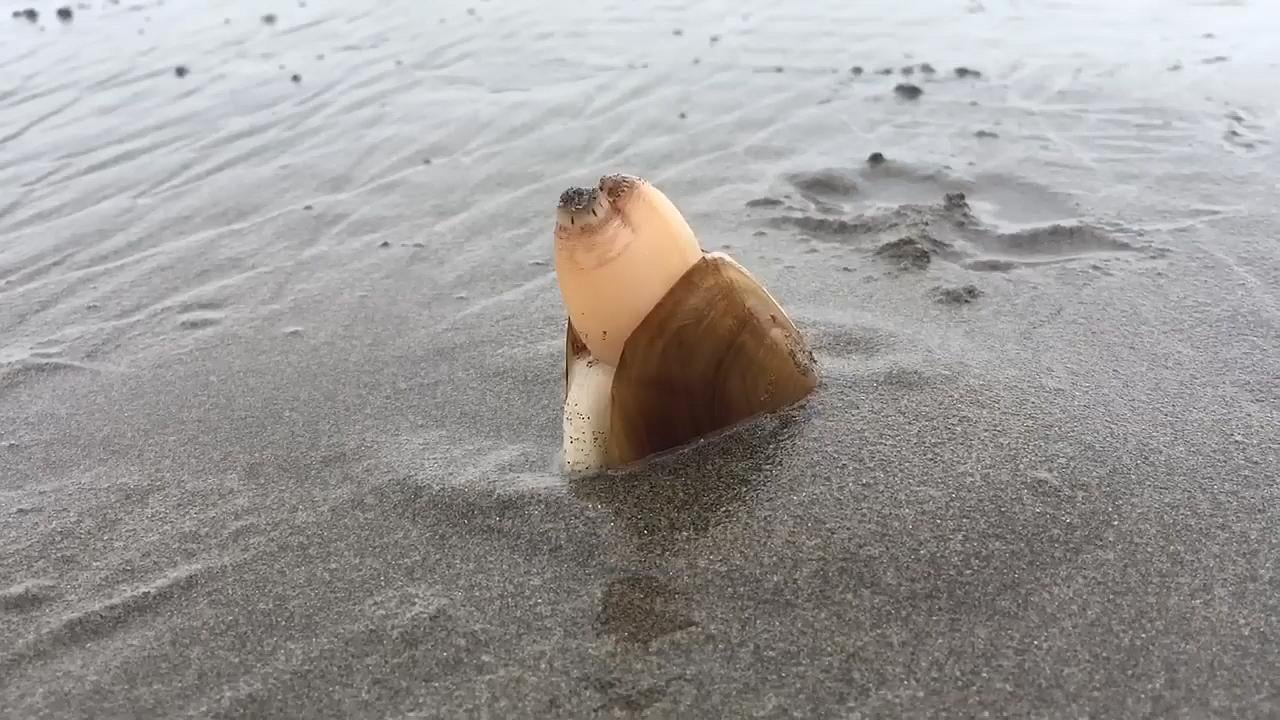
Clam digging into sand
Title: Clam Digging Into Sand: The Fascinating Science Behind How Clams Burrow
Meta Description: Discover how clams dig into sand with their unique anatomy and behavior. Learn the steps of clam burrowing, why they do it, and their ecological role in coastal habitats.
Slug: /how-clams-dig-into-sand
Introduction: The Hidden Life of Burrowing Clams
Clams, the unassuming bivalves found along coastlines and estuaries worldwide, are masters of sand excavation. From razor clams jetting into wet sediment to quahogs slowly anchoring in mudflats, their ability to dig is critical for survival. But how exactly do these shelled creatures burrow into the sand? This article dives into the remarkable mechanics, adaptations, and ecological significance of clam digging.
The Anatomy of a Burrowing Clam
Clams have evolved specialized features to thrive in sandy or muddy environments:
- Foot Muscle (The “Digging Tool”):
- A muscular, tongue-like foot extends from the shell, probing the sediment.
- It swells with blood (hydraulic pressure) to act as an anchor, pulling the clam downward.
- Shell Shape & Texture:
- Streamlined, oval shells (e.g., littleneck clams) minimize drag during burrowing.
- Ridged shells (like cockles) provide grip against shifting sands.
- Siphons:
- Twin tubes extend to the surface once buried, allowing clams to filter food and oxygen without fully emerging.
How Clams Dig Step-by-Step
The burrowing process is a blend of biology and physics:
- Anchor & Contract:
The clam extends its foot into the sand, inflates it to grip the sediment, then contracts the muscle to pull its body downward. - Shell Alignment:
As the clam descends, it shifts its shell to a vertical position, reducing resistance. - Sediment Liquefaction:
Some species, like the razor clam, forcibly eject water to fluidize the sand, making it easier to “swim” downward. - Burial:
Within minutes, the clam disappears beneath the surface, leaving only siphon openings visible.
Pro Tip: Razor clams can dig up to 2 feet deep in under a minute—a survival tactic to evade predators like crabs and shorebirds!
Why Do Clams Burrow? Survival Strategies Explained
Burrowing isn’t just about hiding—it’s a multi-purpose survival tool:
- Predator Avoidance: Staying submerged protects clams from birds, rays, and humans.
- Temperature Regulation: Sand acts as insulation against extreme heat or cold.
- Feeding Efficiency: Buried clams filter plankton and nutrients through their siphons while stationary.
- Stability: In turbulent waters, a buried position prevents clams from being washed away.
Types of Clams & Their Digging Techniques
Not all clams dig alike! Species adapt to their habitats:
| Clam Type | Burrowing Style | Depth |
|---|---|---|
| Razor Clam | Rapid, jet-propelled digging | Up to 3 feet |
| Soft-Shell Clam | Shallow, slow burrowing | 4–8 inches |
| Geoduck | Vertical, deep burrowing | 3+ feet (lifelong) |
| Manila Clam | Quick, mid-tide burial | 2–6 inches |
Environmental Impact: Clams as Ecosystem Engineers
Clams play a vital role in coastal health:
- Sand Aeration: Burrowing oxygenates sediment, benefiting bacteria and other invertebrates.
- Water Filtration: A single clam can filter 10+ gallons of water daily, removing algae and pollutants.
- Shoreline Stability: Dense clam beds reduce erosion by binding sand with their shells and threads.
Human Interactions: Clam Digging Tips
For hobbyists or foragers, sustainable digging ensures minimal harm:
- Timing Matters: Dig during low tide when clams are closer to the surface.
- Look for Signs: Search for small “show holes” or squirting water from siphons.
- Use Proper Tools: A clam rake or tube shovel prevents shell damage.
- Respect Limits: Follow local regulations to avoid overharvesting.
FAQs About Clam Digging
Q: How deep can clams dig?
A: It varies—razor clams dive deepest (2–3 feet), while most species stay under 1 foot.
Q: Can clams move after burrowing?
A: Yes! They adjust positions using their foot to stay buried as tides shift.
Q: How long do clams live underground?
A: Some species, like ocean quahogs, live 100+ years, spending their entire lives buried.
Q: Do all clams burrow?
A: Most do, but some (like scallops) swim freely to escape threats instead.
Conclusion: A Marvel of Marine Adaptation
Clam digging is a testament to nature’s ingenuity—transforming soft tissue into powerful excavation tools. Beyond their stealthy survival tactics, clams sustain entire ecosystems, proving that even the simplest creatures hold profound ecological value. Whether you’re a curious beachcomber or a marine biology enthusiast, understanding how clams burrow offers a glimpse into the hidden wonders beneath the waves.
Call to Action: Next time you walk a sandy shore, pause and look for siphon holes—you might be standing atop a bustling clam city!
Optimization Notes:
- Keywords: clam digging into sand, how do clams dig, burrowing clams, clam anatomy, razor clam digging.
- Internal Linking: Link to related articles (e.g., “Best Beaches for Clam Digging” or “Types of Edible Clams”).
- Images/Videos: Include visuals of clam burrowing stages, infographics, or a clam anatomy diagram.
- Readability: Short paragraphs, bullet points, and subheaders break up text for easy scanning.
This SEO-friendly guide balances science and practicality, catering to both casual readers and marine-life enthusiasts while boosting organic traffic through targeted keywords.