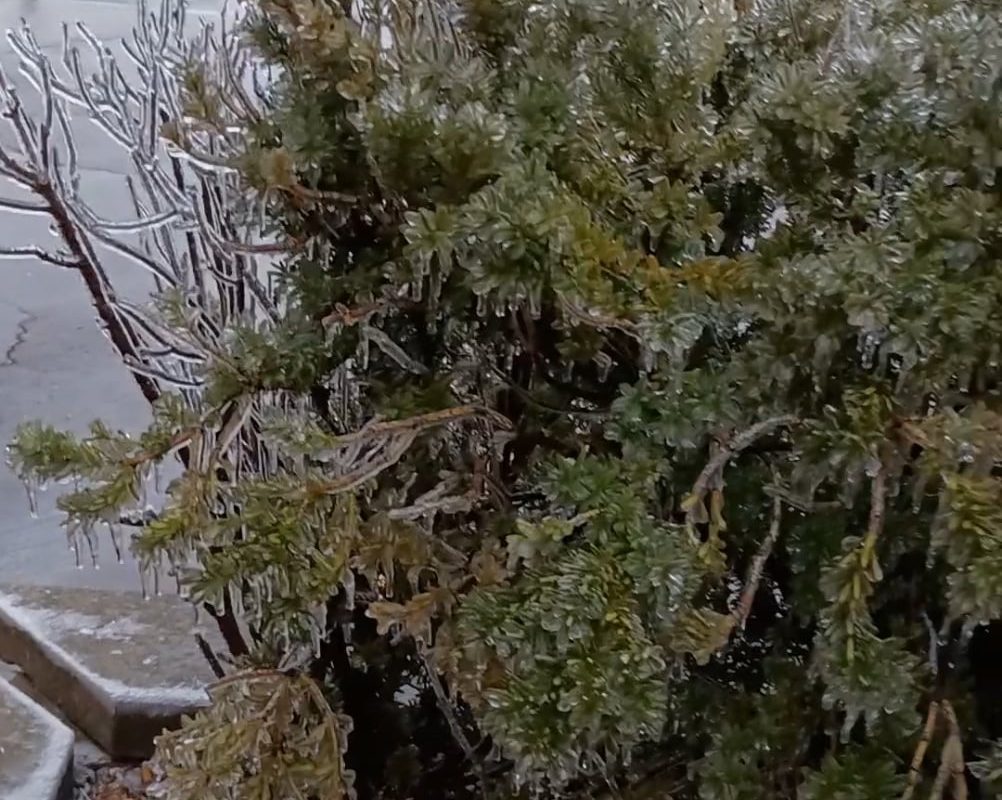
Ice frozen over bush in recent ice storm
Title: Nature’s Crystal Art: How Ice Storms Transform Bushes into Frozen Masterpieces
Meta Description: Discover the science, beauty, and dangers behind ice-coated bushes after a recent ice storm. Learn how freezing rain creates stunning winter spectacles and how to protect your landscape.
Introduction: A Winter Wonderland or a Hazardous Spectacle?
In the wake of a recent ice storm, many regions witnessed a rare and surreal phenomenon: bushes, trees, and foliage encased in a thick, glass-like layer of ice. This natural artistry, often called “ice glaze” or “glaze ice,” transforms ordinary landscapes into shimmering, crystalline wonderlands. But while these frozen masterpieces captivate photographers and nature lovers, they also pose risks to plants, power lines, and infrastructure. In this article, we explore the science behind how ice freezes over bushes, the ecological impact of ice storms, and how communities can navigate their aftermath.
The Science of Ice Accumulation: How Freezing Rain Creates Frozen Bushes
What Causes Ice to Coat Bushes?
Ice storms occur when a layer of warm air sits above freezing rain, which then falls through a sub-freezing layer of air near the ground. When these supercooled raindrops make contact with surfaces like bushes, branches, or power lines, they instantly freeze upon impact. This process, known as “accretion,” builds up layer after layer of clear ice, often weighing down vegetation until it resembles fragile glass sculptures.
Why Bushes Are Particularly Vulnerable
Bushes, with their intricate networks of thin branches and dense foliage, offer ample surface area for ice to cling to. Their flexible structure may bend under the weight, but smaller or younger plants can snap entirely. Species like boxwood, holly, and juniper are especially prone to ice accumulation due to their dense growth patterns.
The Beauty of Nature’s Ice Sculptures
A Photographer’s Dream
Ice-glazed bushes create ethereal scenes that look like they belong in a fairy tale. When sunlight hits the ice-coated branches, it refracts into dazzling rainbows, making dawn and dusk prime times for photography. Social media often erupts with images of glittering gardens and ice-encased parks after such storms.
Ecological Silver Linings
While damaging, ice coatings can also benefit ecosystems. Meltwater from the ice seeps slowly into the soil, providing hydration to roots as temperatures rise. Additionally, the weight of ice prunes weaker branches, which may promote healthier growth in resilient species come spring.
The Dark Side of Ice Storms: Risks to Plants and Property
Damage to Vegetation
- Broken Branches: Heavy ice accumulation can shear limbs, leaving bushes misshapen or vulnerable to disease.
- Root Stress: Extreme ice loads may destabilize shallow-rooted shrubs or uproot younger plants.
- Long-Term Recovery: Evergreen bushes, though hardy, can suffer frost damage to needles, leading to browning in spring.
Safety Hazards
Beyond bush damage, ice-laden branches threaten power lines, vehicles, and pedestrians. Falling limbs or collapsing shrubs can cause injuries, while roads and walkways become treacherous with ice slicks.
How to Protect Your Bushes Before and After an Ice Storm
Prevention Tips
- Wrap Vulnerable Bushes: Use burlap or frost cloth to shield small or delicate shrubs.
- Prune Strategically: Thin out dense branches in fall to reduce ice accumulation points.
- Avoid Fertilizing Late in the Season: Excess growth is more prone to ice damage.
Post-Storm Recovery
- Do Not Shake Ice Off: This can cause more harm. Let ice melt naturally.
- Support Bent Branches: Gently prop up sagging limbs with stakes until they recover.
- Assess Damage: Trim broken or split branches in spring to prevent pest infestations.
Historical Ice Storms and Their Impact
- 1998 North American Ice Storm: One of the worst on record, it coated Quebec and Ontario in 3+ inches of ice, collapsing thousands of trees and bushes.
- 2023 Southern U.S. Storm: Recent freezing rain turned Texas and Arkansas into icy labyrinths, snapping oak and crepe myrtle bushes under the weight.
Conclusion: Respecting Nature’s Dual Edges
Ice-glazed bushes are a testament to nature’s power to create both breathtaking beauty and formidable destruction. While we admire the fleeting magic of a frozen landscape, understanding the science and risks behind these events helps us safeguard our green spaces and communities. By preparing thoughtfully and responding wisely, we can navigate ice storms with resilience—and even find moments of awe amid the frost.
Call to Action:
Did your area experience bush-freezing ice? Share your photos or tips for protecting plants in the comments! For more winter weather guides, explore our articles on [Winter Gardening Tips] and [Ice Storm Safety Checklists].
SEO Keywords:
ice storm damage, ice on bushes, freezing rain effects, ice-coated shrubs, protecting plants from ice, frozen bushes, ice accretion, ice storm recovery, winter gardening, glaze ice phenomenon.