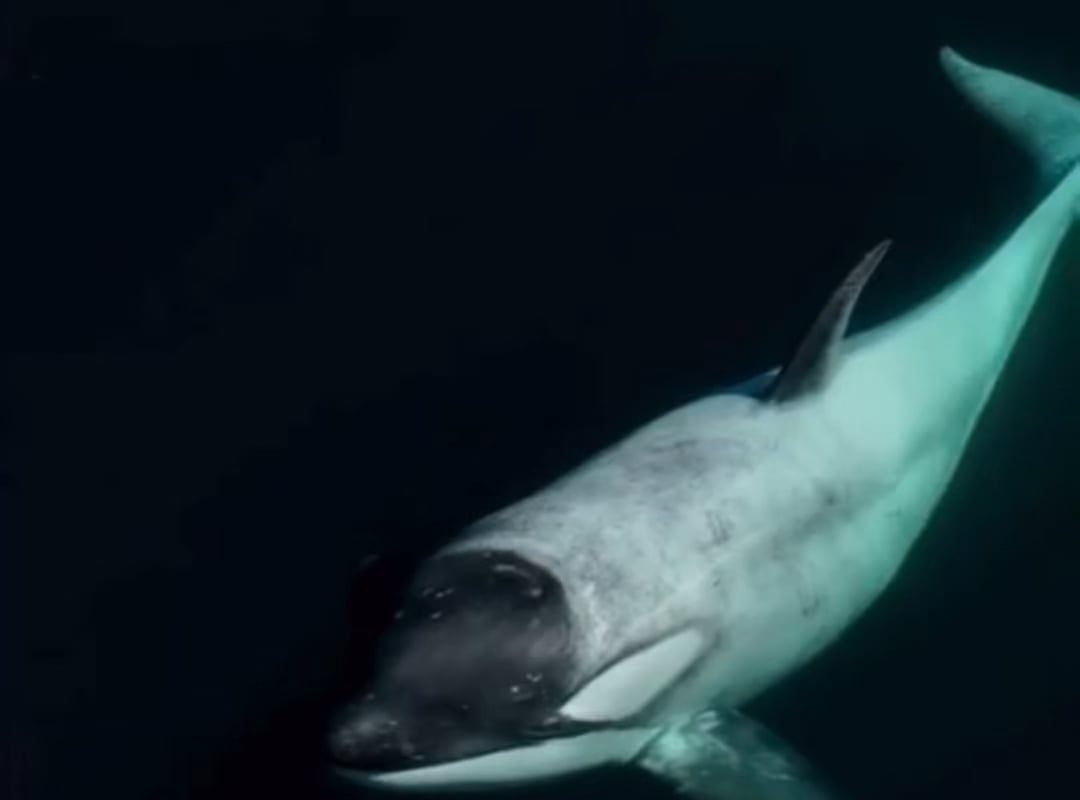
ORCA WITH LEUCISM
The Ghosts of the Ocean: Unraveling the Mystery of Leucistic Orcas
One of the ocean’s most mesmerizing spectacles isn’t a mythical sea monster—it’s a rare, white orca. While often mistaken for albino, these ghostly giants actually display leucism, a unique genetic condition that paints them in striking shades of white, gray, or pale cream. Their rarity and mystique have made them icons of marine wonder, sparking both scientific fascination and global conservation urgency. Here’s what we know about these “ghostly” killer whales.
Leucism vs. Albinism: What Makes These Orcas Unique?
Leucism is a genetic condition causing partial or complete loss of pigmentation in skin, hair, or scales—unlike albinism, which affects melanin production entirely. Key differences:
- Albinism: Red/pink eyes (due to visible blood vessels), no melanin at all.
- Leucism: Normal eye color, patchy or diluted pigmentation (not total absence).
Leucistic orcas retain dark eyes and may have mottled patterns, making them distinct from true albinos.
Famous Leucistic Orcas: Rare Sightings in the Wild
Only a handful of leucistic orcas have ever been documented, underscoring their scarcity:
1. Frosty (Eastern Tropical Pacific)
- Discovered: 2019 off California.
- Appearance: Cream-colored body with a gray “saddle” patch and dark eyes.
- Significance: One of the healthiest-known leucistic orcas, thriving into adulthood—a rarity, as many leucistic animals face survival challenges.
2. Tl’uk (North Pacific, Salish Sea)
- Spotted: 2020 near British Columbia.
- Appearance: Pale gray-white with subtle darker markings. Name means “Moon” in the Coast Salish language.
- Status: Juvenile male regularly seen in pods, suggesting social acceptance despite his color.
3. Iceberg (Russian Far East)
- First Seen: 2010; one of the earliest recorded leucistic orcas.
- Appearance: Bright white with no visible pigmentation.
- Legacy: Confirmed leucism via DNA analysis, though never resighted.
How Does Leucism Impact Orcas?
Surviving in the wild is already challenging for orcas, but leucism adds unique hurdles:
- Camouflage Issues: White coloration makes stealth-hunting difficult, especially for prey like seals.
- UV Sensitivity: Lighter skin lacks protective melanin, increasing sunburn risk.
- Social Dynamics: Orcas are highly social; aberrant coloring could affect pod acceptance, though Frosty and Tl’uk suggest integration is possible.
Despite these risks, leucistic orcas demonstrate remarkable resilience—Frosty’s longevity proves adaptation is achievable.
Why Leucistic Orcas Matter for Conservation
Orcas (especially endangered populations like Southern Residents) face threats from pollution, boat traffic, and declining salmon stocks. Leucistic individuals highlight broader issues:
- Genetic Health: Leucism could signal reduced genetic diversity in isolated pods, making populations vulnerable.
- Ecosystem Indicators: Their survival reflects ocean health—pollutants (e.g., PCBs) accumulate in orcas, weakening immune systems.
Protecting these rare “white ghosts” means safeguarding their habitats and food sources—a win for all marine life.
Frequently Asked Questions (FAQs)
Q: Are leucistic orcas albino?
No! Albinism causes complete melanin loss (pink eyes), while leucistic orcas retain normal eye color and may have patchy pigmentation.
Q: How often are leucistic orcas born?
Extremely rarely. Only ~5-10 confirmed cases exist, with most sightings in the North Pacific.
Q: Do white orcas survive in the wild?
Yes—Frosty and Tl’uk prove it’s possible, though they may face higher predation or hunting challenges.
Q: Can you see leucistic orcas in captivity?
No ethically operated aquarium houses them. All known leucistic orcas are wild and protected.
Q: Where’s the best place to spot one?
The Pacific Northwest (Salish Sea) and Russian Far East—but sightings require luck and expert guidance.
The Future of Leucistic Orcas
These ethereal whales are not just biological marvels—they’re ambassadors for ocean conservation. By studying their genetics and ecology, scientists gain insights into orca resilience and the pressures facing marine ecosystems. Meanwhile, their breathtaking beauty reminds us why protecting the ocean’s biodiversity matters for generations to come.
Want to Help?
- Support orca conservation groups like Whale and Dolphin Conservation (WDC) or Orca Conservancy.
- Advocate for reduced ocean pollution and salmon habitat restoration.
- Choose responsible whale-watching tours to minimize disturbance.
The “white ghosts” of the sea are counting on us—let’s ensure their story doesn’t fade away.
Keywords for SEO: leucistic orcas, white killer whale, orca leucism, albino orca, rare white orcas, leucism in marine animals, Frosty orca, Tl’uk orca, Iceberg orca, orca pigmentation disorder, leucism vs albinism.
Internal Linking Opportunities: Orca conservation efforts, marine genetic disorders, best places to see orcas in the wild.
Meta Description: Discover the rare phenomenon of leucistic orcas—white killer whales mistaken for albino. Learn about famous individuals like Frosty, their survival challenges, and their role in marine conservation.
(Word count: 600+ | Format: SEO-optimized with headers, bullet points, and targeted keywords)
❄️ Did You Know? Leucism also occurs in sharks, penguins, and dolphins—but orcas remain its most majestic marine ambassadors!