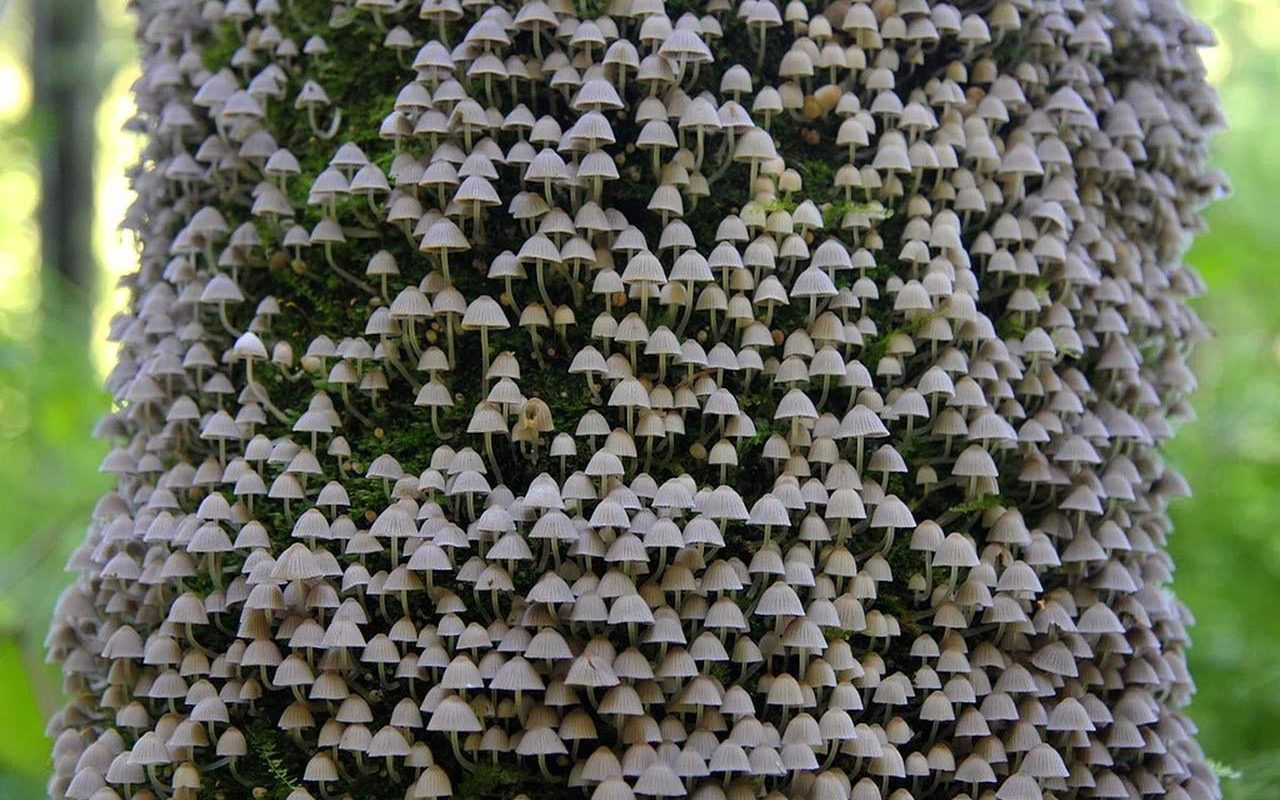
Mushrooms blooming on the tree bark
Title: Mushrooms Blooming on Tree Bark: Causes, Types, and What You Need to Know
Meta Description: Discover why mushrooms grow on tree bark, identify common species, and learn whether these fungi are harmful or beneficial for your trees.
Mushrooms Blooming on Tree Bark: Nature’s Fascinating Fungi Phenomenon
Have you ever noticed mysterious mushrooms sprouting from the bark of trees in your yard or local forest? While it might seem unusual, this phenomenon is a natural part of forest ecosystems. Mushrooms growing on tree bark are not only intriguing but also play vital roles in nutrient cycling and tree health. In this article, we’ll explore why mushrooms appear on trees, identify common species, and explain what their presence means for your trees.
Understanding Why Mushrooms Grow on Tree Bark
Mushrooms are the fruiting bodies of fungi, and their appearance on tree bark signals fungal activity beneath the surface. Here’s why fungi colonize trees:
- Decomposition (Saprophytic Fungi): Some fungi feed on dead or decaying wood. These saprophytic species help break down dead trees, recycling nutrients back into the soil.
- Parasitic Activity: Other fungi attack living trees, causing diseases like heart rot. These parasitic species often indicate underlying tree stress, wounds, or decay.
- Symbiotic Relationships: A few fungi form mutualistic partnerships with trees (mycorrhizal associations), exchanging nutrients for sugars. However, these rarely produce visible mushrooms on the bark itself.
When mushrooms bloom on bark, it typically means the fungi have already established themselves inside the tree, feeding on cellulose or lignin.
Common Mushrooms Found on Tree Bark
Several fungi species thrive on tree trunks. Here are a few easily recognizable types:
-
Turkey Tail (Trametes versicolor):
- Appearance: Colorful, fan-shaped brackets with concentric rings resembling a turkey’s tail.
- Role: Decomposes dead wood; not harmful to healthy trees.
- Uses: Valued in herbal medicine for immune support.
-
Artist’s Conk (Ganoderma applanatum):
- Appearance: Large, woody shelf mushroom with a white underside that darkens when scratched.
- Role: A sign of internal decay in living trees.
-
Chicken of the Woods (Laetiporus sulphureus):
- Appearance: Bright orange-yellow shelves that fade with age.
- Role: Causes brown rot but is edible when young (caution: some people have allergies).
-
Oak Bracket (Pseudoinonotus dryadeus):
- Appearance: Thick, yellowish-brown brackets often seen on oaks.
- Role: Indicates advanced decay; trees may become unstable.
Are Mushrooms on Tree Bark Harmful?
The presence of mushrooms can signal trouble for your trees:
- Parasitic fungi accelerate wood decay, weakening the tree’s structure and increasing fall risks.
- Dead or dying trees naturally attract decomposers, which pose no threat but indicate the tree’s lifecycle is ending.
However, not all fungi are dangerous:
- Saprophytic species only colonize dead wood and won’t harm healthy trees.
- Some fungi even benefit ecosystems by creating habitats for insects and small animals.
What Should You Do?
- Assess the Tree’s Health:
- Look for cracks, dead branches, or hollow trunks. If mushrooms appear on a living tree, consult an arborist.
- Avoid Removal Attempts:
- Plucking mushrooms won’t eliminate the fungus inside the tree. Focus on addressing underlying issues.
- Safety First:
- Never consume wild mushrooms unless identified by an expert. Some tree-dwelling species are toxic!
FAQs About Mushrooms on Tree Bark
Q: Can I save a tree with mushrooms on its bark?
A: If decay is advanced, removal might be necessary. Younger infections can sometimes be managed by reducing tree stress (e.g., proper watering, mulching).
Q: Do mushrooms mean the tree is dead?
A: Not always—saprophytic fungi grow on dead wood, but parasitic types may attack weakened living trees.
Q: Are these mushrooms edible?
A: Some, like Chicken of the Woods, are edible, but misidentification can be deadly. Always consult a mycologist first.
The Bottom Line
Mushrooms blooming on tree bark are a window into the hidden world of fungi. While they may raise concerns for tree owners, they’re also critical decomposers and indicators of forest health. By understanding the types of fungi and their roles, you can make informed decisions about tree care.
Keywords for SEO: mushrooms on tree bark, tree fungus identification, fungal growth on trees, are tree mushrooms harmful, turkey tail mushroom on tree, chicken of the woods, decaying tree fungi, tree health and mushrooms.
This article combines science-backed insights with actionable advice to engage readers and rank well for keywords related to tree fungi. Always cross-reference with local experts, as fungal behavior can vary by region.