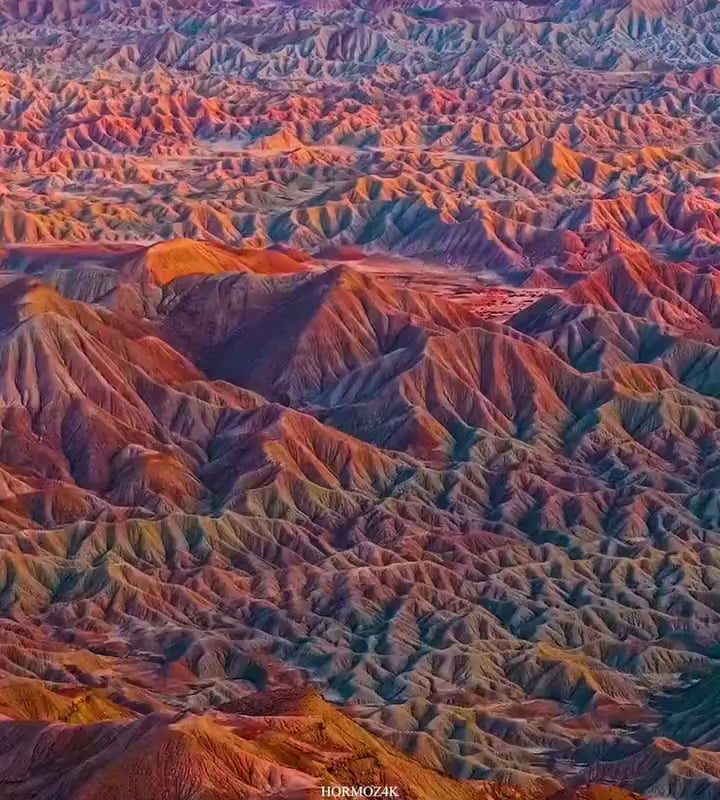
The legendary mountains of Hormuz in southern Persia dazzle viewers with their vibrant colours.
Title: The Rainbow Mountains of Hormuz: Southern Persia’s Mythic Geological Wonder
Meta Description: Discover the dazzling Rainbow Mountains of Hormuz in southern Persia – a surreal landscape of fiery reds, shimmering golds, and electric blues that captivates adventurers, geologists, and dreamers alike.
Introduction: A Canvas Painted by Nature
Tucked along the southern coast of Iran, where the Persian Gulf meets the shores of ancient Persia, lies a realm that defies imagination: the legendary Rainbow Mountains of Hormuz. Known locally as Gelack or Hormuz Island’s Rainbow Valley, these geological masterpieces erupt from the earth in explosions of crimson, ochre, emerald, and gold. More than a natural wonder, this kaleidoscope of colors—sculpted over millions of years—invites travelers into a world where myth and geology collide.
Where Are the Hormuz Rainbow Mountains?
The mountains dominate Hormuz Island, a small but mesmerizing landmass in the Strait of Hormuz, roughly 8 miles off the coast of Bandar Abbas. Though modest in size (just 16 square miles), the island punches far above its weight in visual drama. The mountains rise like layered sandcastles, forming a central ridge that shimmers under the Persian sun, while nearby Qeshm Island and its UNESCO-listed Valley of the Stars complement this spectacle with equally surreal formations.
The Science Behind the Colors: Nature’s Alchemy
The mountains’ surreal palette isn’t magic—it’s mineral magic. Over millennia, tectonic shifts and sedimentation created a treasure trove of vibrant compounds:
- Iron Oxide: Creates fiery reds and oranges (nicknaming Hormuz the “Red Island”).
- Sulfur: Laces the soil with bright yellows.
- Copper: Streaks slopes with blues and greens.
- Manganese: Adds deep purples and blacks.
These minerals, compressed into layers of sandstone, clay, and salt, form a natural “artist’s palette” that shifts hues with sunlight, making dawn and dusk prime viewing times.
Cultural Lore: Where Legends Live
Beyond geology, Hormuz is steeped in myth. Ancient Persians believed the mountains were the scales of a fallen dragon or strokes from the brush of Hormoz, the island’s patron spirit. Portuguese explorers in the 16th century dubbed it Ilha Vermelha (“Red Island”), weaving tales of cursed treasures hidden in its crimson caves. Today, locals honor the land’s spiritual energy, using its mineral-rich soil in traditional crafts, cooking, and even as natural pigments for Persian saffron rice.
Experiencing the Rainbow Mountains: A Traveler’s Guide
1. Trekking the Valley of the Statues
Hike through Valley of the Statues (Darreh-ye Tandis-ha), where wind-carved pillars mimic mythical creatures. Trails range from gentle walks to rugged climbs, rewarding hikers with panoramas of the Persian Gulf.
2. Photography Hotspots
Capture the iconic Red Beach (only safe to visit at low tide), where crimson sand meets turquoise waves, or the Rainbow Valley near the island’s salt cave. Drone enthusiasts flock here for aerial shots of the technicolor ridges.
3. Cultural Encounters
Meet artisans crafting Hormuzi red soil into pottery and spices, or join a guided tour to uncover underground salt caves and abandoned Portuguese forts.
4. Best Time to Visit
Visit between November and March for mild temperatures (20–25°C/68–77°F). Avoid summer, when heat exceeds 40°C (104°F).
Beyond the Mountains: Hormuz Island’s Hidden Gems
- Portuguese Castle: A crumbling 16th-century fortress overlooking the coast.
- Salt Goddess Cave: An ethereal tunnel of crystalline salt formations.
- Silent Valley: A desert-like expanse dotted with dragon-blood trees.
How to Get There
- From Bandar Abbas: Take a 30-minute ferry (multiple daily trips).
- From Qeshm Island: Daily ferries connect Qeshm to Hormuz in under an hour.
Preserving a Fragile Wonder
Though tourism is growing, Hormuz remains fragile. Stick to marked trails to protect the delicate sediment layers, and avoid removing soil or rocks. Local eco-tours fund conservation efforts while supporting the island’s 3,000 residents.
Conclusion: A Journey Into Persia’s Living Art Gallery
The Rainbow Mountains of Hormuz are more than a geological oddity—they’re a testament to Earth’s boundless creativity. For adventurers seeking the extraordinary, this southern Persian jewel offers a rare blend of science, myth, and raw beauty. Pack your camera, lace up your boots, and prepare to walk into a painting that shifts with every sunset.
Call to Action:
Ready to witness Persia’s rainbow-hued marvel? Share this guide with fellow travelers, or browse our Iran itineraries to start planning your voyage to Hormuz Island!
Keywords for SEO:
Rainbow Mountains Hormuz, Hormuz Island Iran, Persian Gulf geology, Colorful mountains Persia, Iran tourist attractions, Valley of the Statues, Red Beach Hormuz, Iran travel guide, Hormuz Island Rainbow Valley, Unique landscapes Iran.
This article balances vivid storytelling with SEO-rich keywords to inspire explorers while driving traffic from searches like “colorful mountains Iran” or “Hormuz Island travel tips.” Let us know if you need custom images or maps to enhance the piece!