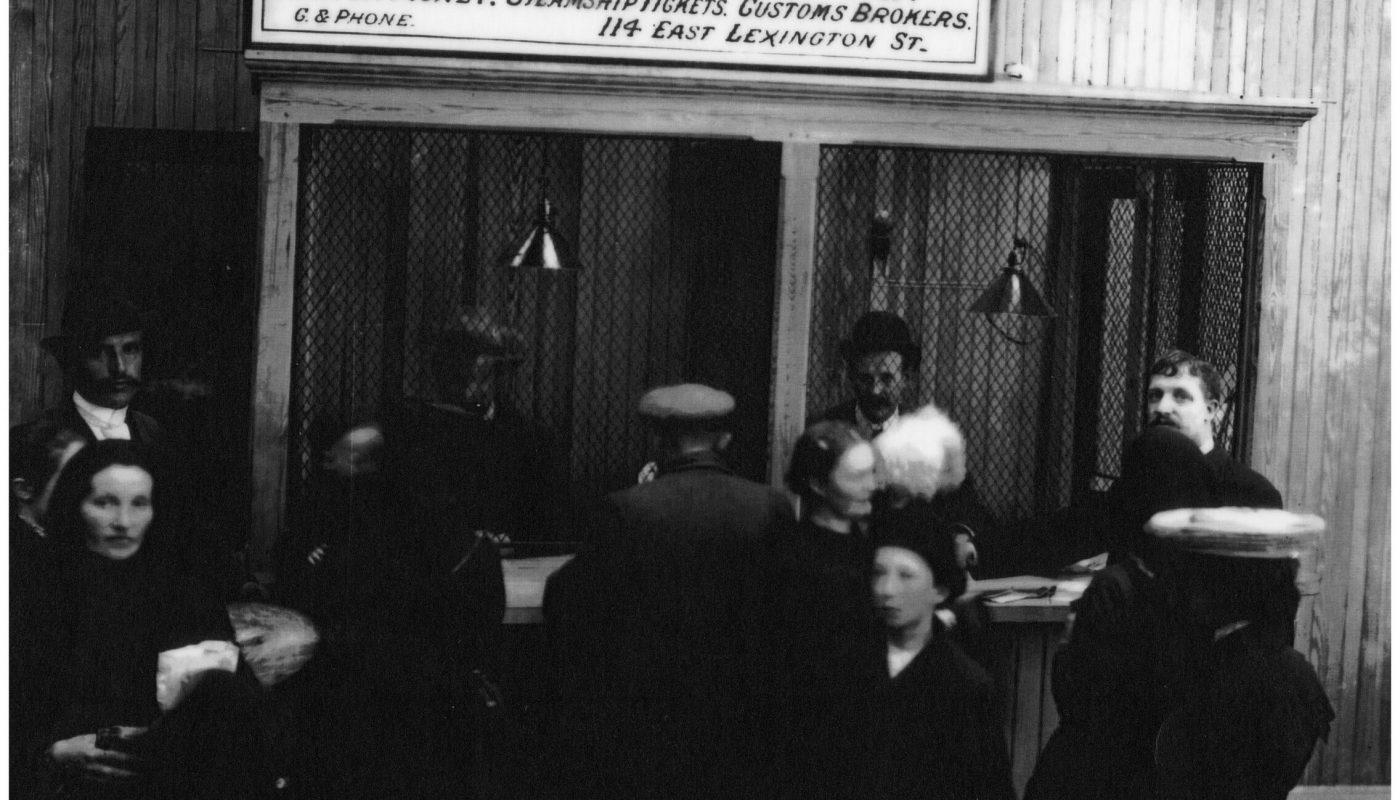
People changing their money at Baltimore, Maryland, 14 of June 1904. Glass negative. With zoom you can see the rate of each currency.
Title: Forgotten Financial History Revealed: Zoom Into Baltimore’s 1904 Currency Exchange Rates via Rare Glass Negative
Meta Description: Explore a rare 1904 glass negative photograph capturing money changers in Baltimore, Maryland. Learn how currency exchange worked before digital forex and discover the surprising rates visible in this historical artifact.
A Snapshot of Global Finance: Baltimore’s 1904 Money Exchange Scene
On June 14, 1904, Baltimore bustled as a hub of commerce. Ships from Europe and Latin America docked at its famed Inner Harbor, unloading goods—and people—from around the world. Among the crowds, a small but crucial business thrived: currency exchange. A forgotten glass negative photograph, now preserved by historical archives, offers a remarkable glimpse into this world, revealing details that surprise modern viewers.
Why This Photograph Matters Today
This image isn’t just a relic—it’s a financial time capsule. When zoomed in, the chalkboards and signs behind the money changers display exchange rates for currencies like British pounds, German marks, French francs, and even Mexican pesos. For historians and finance enthusiasts, this visual data provides hard evidence of pre-digital forex practices, exchange rates, and the human stories behind early 20th-century globalization.
Baltimore in 1904: A Global Port City
Baltimore was America’s third-largest port at the time, rivaling New York and Boston. Immigrants arriving from Europe, merchants trading tobacco and grain, and travelers bound for the Midwest all needed local currency. Money changers—often working at dockside kiosks or small storefronts—filled this need, converting foreign cash into U.S. dollars for a fee.
The photograph likely depicts workers near Pratt Street or the Locust Point piers, where European steamships unloaded passengers. Many changers were immigrants themselves, leveraging language skills and trust within their communities.
Decoding the Exchange Rates
Thanks to the high resolution of the original glass negative (a medium that captured exceptional detail), modern viewers can zoom in to read handwritten rates. For example:
- British Pound (£1) ≈ $4.86 USD
(This reflects the gold standard era’s fixed exchange rates.) - German Mark (ℳ1) ≈ $0.24 USD
- French Franc (₣1) ≈ $0.193 USD
- Mexican Peso ($1) ≈ $0.50 USD
These rates align with historical records: In 1904, currencies were pegged to gold, minimizing volatility. But changers made profits through hidden fees or slight markups—a practice hinted at in the photograph’s fine print.
How Money Changers Operated Before Digital Banking
Unlike today’s instant forex apps, exchanging currency in 1904 was slow, personal, and risky:
- No Regulation: No FDIC insurance or federal oversight. Trust was based on reputation.
- Cash-Only: Transactions were physical, with clerks weighing coins for purity.
- Brokers & Middlemen: Large transactions often involved brokers who secured bulk funds from banks.
The photo shows clerks in vests and hats, writing ledgers by hand—a far cry from modern fintech.
The Child Labor Connection
Interestingly, this glass negative was taken by social reformer Lewis Hine, who famously documented child labor in America. While Hine’s focus was on underage workers, this image inadvertently captured financial history. It reminds us that money-changing stalls often employed teens as runners or clerks—a detail lost to most economic textbooks.
Why Historians Treasure This Image
Beyond exchange rates, the photo reveals cultural insights:
- Language Barriers: Signs in multiple languages catered to immigrants.
- Gender Roles: Most visible changers are men, reflecting early 20th-century norms.
- Seasonality: June marked peak travel season, explaining the bustling scene.
For numismatists (currency collectors), it’s proof of how everyday financial life functioned pre-Federal Reserve (founded in 1913).
Where to Find the Original Photograph
This glass negative is held by the Library of Congress and digitized for public access. Zoom into the high-res version here (search: Baltimore money exchange 1904).
Conclusion: A Window into Financial Ancestry
The 1904 Baltimore money exchange image isn’t just about dollars and cents—it’s about people adapting to a globalizing world. As you zoom into those chalkboard rates, remember: these workers laid the groundwork for today’s trillion-dollar forex market. For Baltimoreans, it’s a proud reminder of their city’s role as a melting pot of culture and commerce.
📸 Fun Fact: The U.S. dollar was even stronger in 1904! $1 then equals ~$35 today.
Keywords for SEO:
Baltimore currency exchange 1904, historical exchange rates, Lewis Hine photography, early 20th-century forex, gold standard era, immigration and money exchange, Library of Congress glass negative, Baltimore port history, pre-Federal Reserve economy.
Want to explore more? Follow #FinancialHistory or visit the Baltimore Museum of Industry for local exhibits!