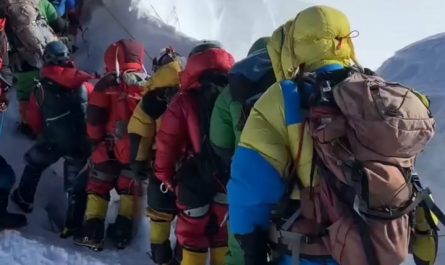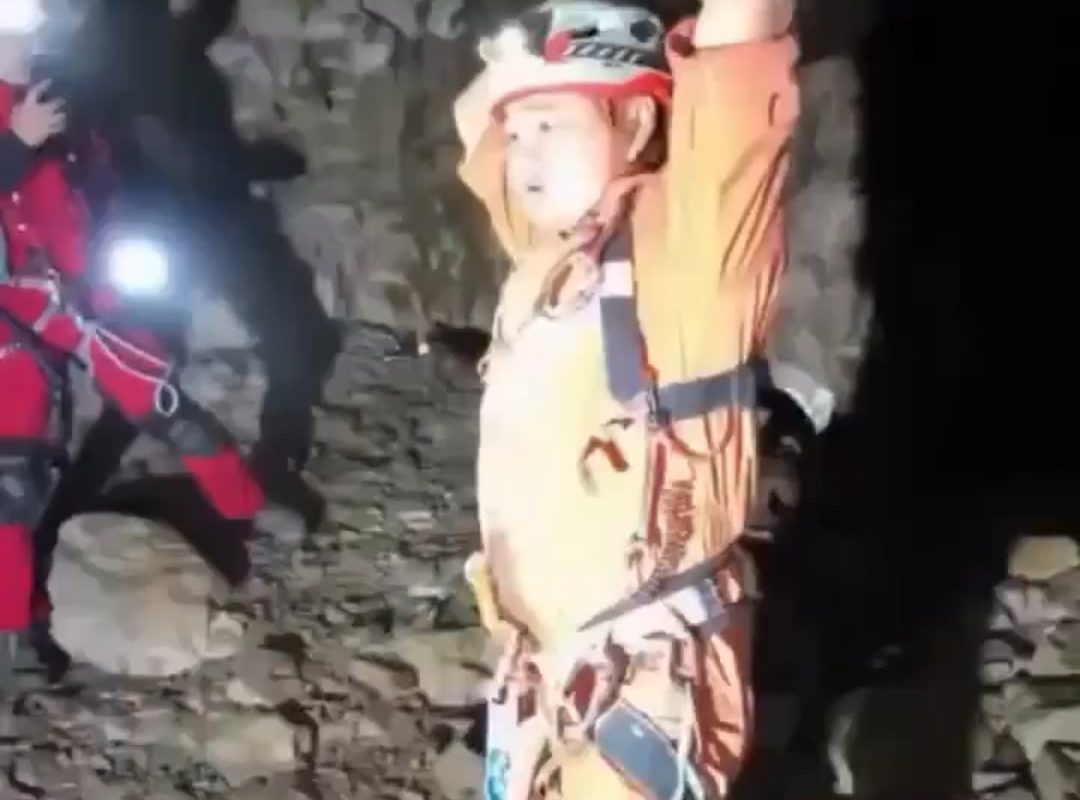
Dropping a stone into Veryovkina Cave, at 2,209 meters (7,247 ft) deep, it is the second deepest-known cave on Earth.
Title: The Echo of Extremes: What Happens When You Drop a Stone into Veryovkina Cave?
Meta Description: Discover the science and wonder behind dropping a stone into Veryovkina Cave, Earth’s second-deepest cave at 2,209 meters. Explore its depths, geology, and the surprising physics of a simple stone’s fall.
The Depths of Earth’s Hidden Frontier
Veryovkina Cave, nestled in the rugged mountains of Abkhazia near the Black Sea, is a marvel of subterranean extremes. At 2,209 meters (7,247 ft), it is currently recognized as the second-deepest cave on Earth, surpassed only by its neighbor Krubera Cave (Voronya Cave), which reaches 2,212 meters. But what makes this vast abyss truly captivating isn’t just its record-breaking depth—it’s the eerie thought experiment of dropping a stone into its inky void.
A Stone’s Journey to the Center of the Earth (Almost)
Imagine standing at the edge of Veryovkina’s entrance—a narrow crevice in the Arabika Massif—and dropping a small stone into the darkness. On the surface, this seems like a simple act, but the cave’s staggering depth turns it into a dramatic lesson in physics, time, and geology.
The Physics of Falling
-
Freefall Fantasy:
If Veryovkina were a straight vertical shaft (which it isn’t!), a stone would take roughly 21 seconds to hit the bottom, ignoring air resistance. Using the formula t = √(2d/g) (where d = depth and g = gravity), the calculation reveals a theoretical plunge speed nearing 200 km/h (124 mph) due to terminal velocity—the point where air drag balances gravity’s pull. -
Reality Check:
Caves aren’t vacuum tubes. Wind resistance, uneven walls, and water-filled chambers slow the descent significantly. In reality, the stone would ricochet off narrow passages, shatter, or even land in one of the cave’s underground rivers—long before reaching the final depth.
Silence at the Bottom?
Forget the Hollywood-style “distant plink.” Even if the stone survived the fall, sound waves would dissipate over 2.2 kilometers. The rumble of subterranean water or echoes off limestone walls would drown out its impact—a reminder of how alien this environment truly is.
Veryovkina Cave: A Labyrinth of Extremes
-
Discovery & Exploration:
First identified in 1968, Veryovkina wasn’t fully mapped until 2018 by Russian explorers. Reaching the bottom requires weeks of technical climbing through tight squeezes, waterfalls, and icy lakes—a feat only achieved by elite cavers. -
Life in the Abyss:
Despite eternal darkness, the cave hosts bizarre extremophiles like translucent crustaceans and bacteria adapted to survive without sunlight. Dropping a stone here isn’t just a physics experiment; it’s a tiny intrusion into an ancient, untouched ecosystem. -
Depth Wars:
Veryovkina briefly claimed the title of “world’s deepest cave” in 2018 before Krubera’s measurements were refined. The rivalry highlights how dynamic cave exploration remains—with new passages discovered yearly.
Why You’ll Never Hear That Stone Hit (Even If You Dropped It Yourself)
-
Terminal Velocity Hurdles:
Small objects like stones max out at ~200 km/h, but airflow constraints in narrow shafts reduce speed further. It might never reach the bottom intact. -
Echoes of History:
Veryovkina’s deepest point, dubbed “The Last Camp,” sat underwater until siphon-diving expeditions drained sections. Even today, the base floods seasonally—nature’s reminder of who’s in charge. -
Human Impact:
While seemingly harmless, dropping debris threatens delicate mineral formations and ecosystems. The cave’s pristine darkness deserves respect—and minimal interference.
Conclusion: The Ultimate Thought Experiment
Dropping a stone into Veryovkina Cave is a humbling reminder of Earth’s hidden grandeur. The act merges childhood curiosity with profound science, revealing how little we know about the planet’s deepest corners. For adventurers and dreamers alike, this cavern stands as a testament to nature’s power—where even a pebble’s fall becomes a voyage into the unknown.
To explore Veryovkina’s wonders responsibly, support sustainable caving initiatives and organizations dedicated to preserving these fragile underground worlds.
SEO Keywords: Veryovkina Cave, deepest cave on Earth, dropping a stone in a cave, cave depth physics, Abkhazia caves, terminal velocity experiment, world’s deepest caves, cave exploration.